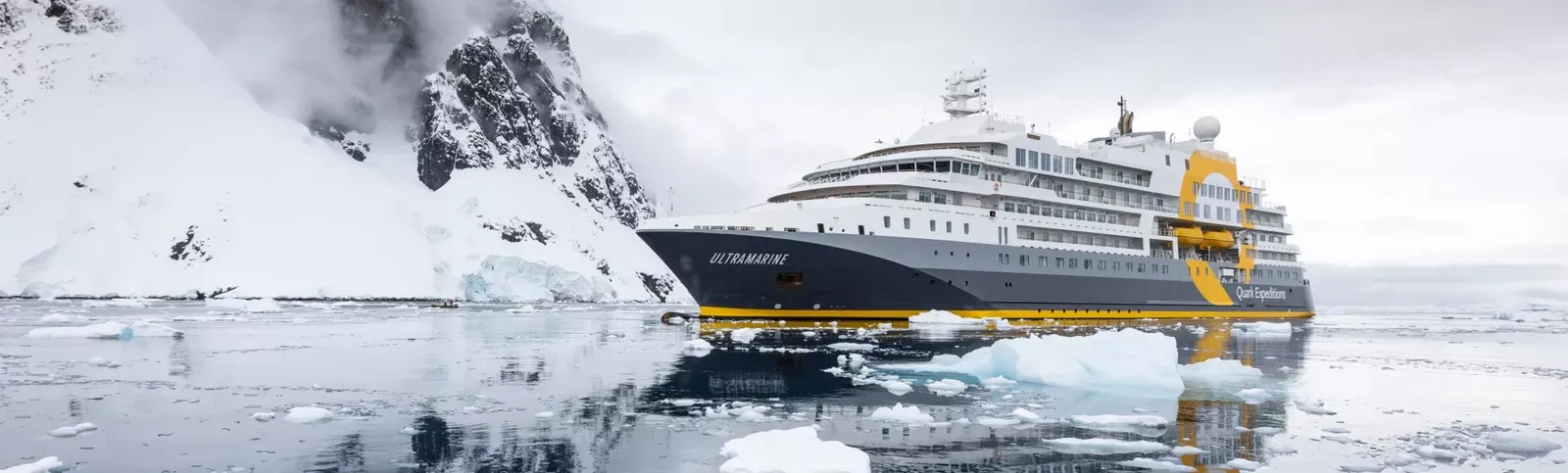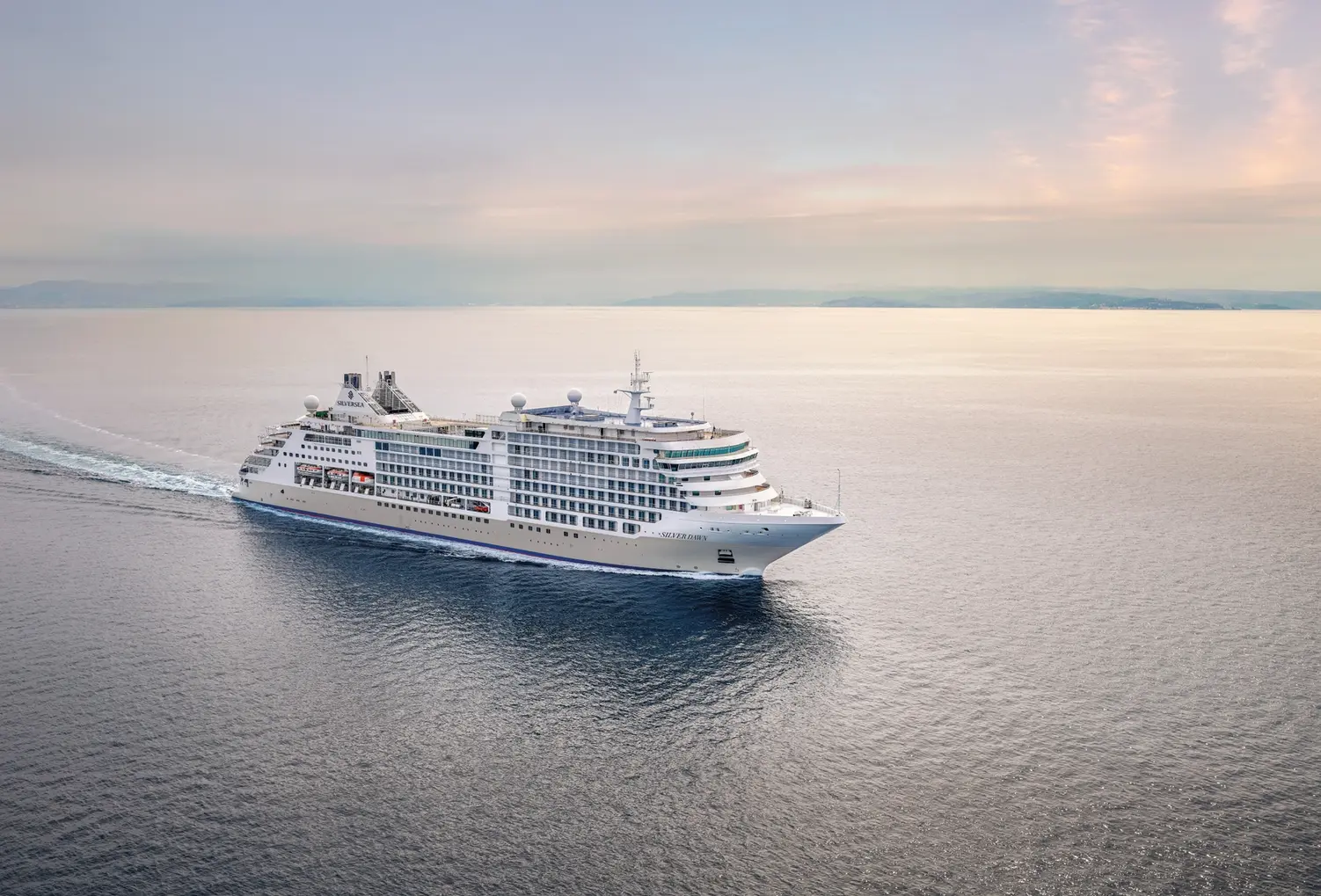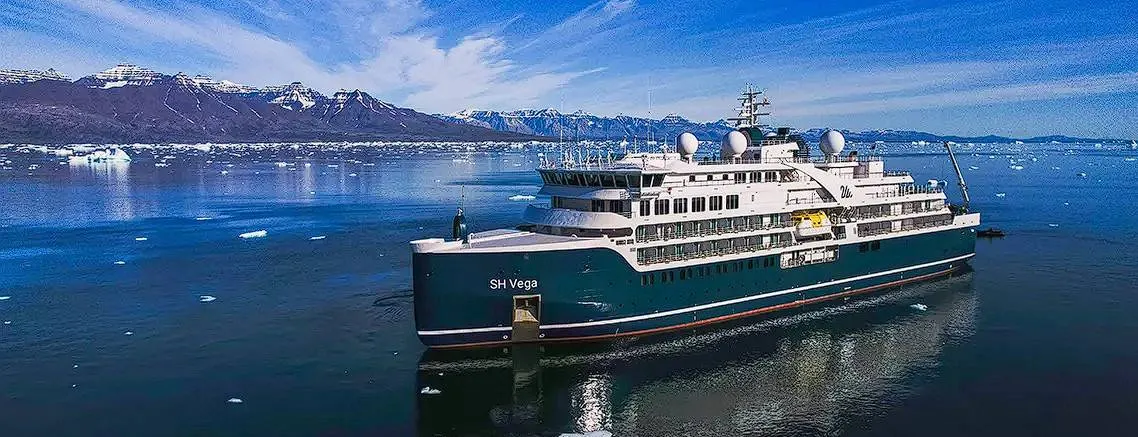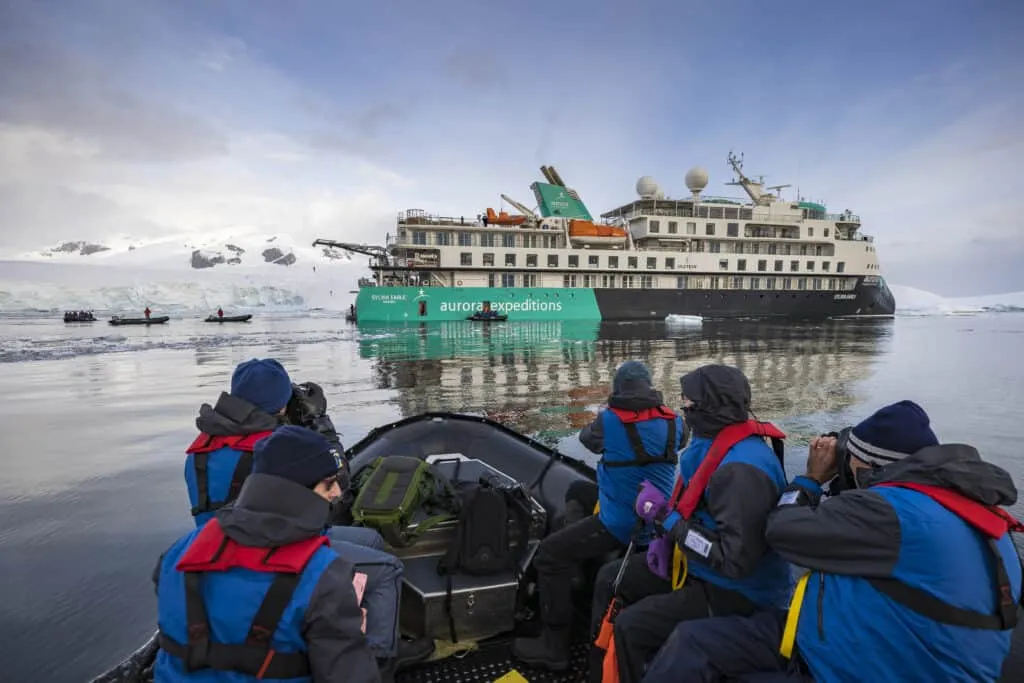
Aurora Expeditions and HX Expeditions both reach Antarctica with Zodiac fleets, ice-class ships, and dedicated expedition teams — but they diverge dramatically on ship size, guide ratios, landing logistics, and price. Jake Hower compares what each line delivers for Australian travellers choosing between intimate small-ship adventure and large-scale expedition value.
| Aurora Expeditions | HX Expeditions | |
|---|---|---|
| Category | Expedition | Expedition |
| Rating | ★★★★☆ | ★★★★☆ |
| Fleet size | 3 ships | 10 ships |
| Ship size | Small (under 500) | Small (under 1,000) |
| Destinations | Antarctica, Arctic, Patagonia, Japan | Norwegian Coast, Arctic, Antarctica, Greenland |
| Dress code | Relaxed | Relaxed |
| Best for | Small-ship polar expedition adventurers | Coastal and expedition nature lovers |
Aurora Expeditions is the intimate adventure purist's choice — 130 passengers on purpose-built X-BOW ships, a 1:8 guide ratio, IAATO Category C1 landing rights meaning everyone goes ashore every time, seven citizen science partnerships, and B Corp certification, all from an Australian-owned company with Hobart departures. HX Expeditions counters with the largest Antarctic programme afloat — fifty departures per season on hybrid-powered ships, an all-inclusive fare covering drinks, gratuities, and Wi-Fi, a dedicated Science Center on every ship, and Galapagos year-round aboard MV Santa Cruz II. Choose Aurora when guide ratio, landing time, and small-ship intimacy matter most. Choose HX when departure flexibility, all-inclusive value, and destination breadth are the priority.
The core difference
Aurora Expeditions and HX Expeditions both reach Antarctica with ice-class ships, Zodiac fleets, and multi-disciplinary expedition teams. Both hold IAATO membership. Both carry passengers to the Antarctic Peninsula, South Georgia, Svalbard, and Greenland. But they represent fundamentally different approaches to expedition cruising — and the differences matter enormously once you are standing in the mudroom waiting for your Zodiac call.
Aurora Expeditions is intimate small-ship adventure, Australian-owned and adventure-first. Founded in 1991 by Greg Mortimer OAM — one of the first two Australians to summit Everest without supplementary oxygen — Aurora operates three purpose-built Infinity Class ships carrying a maximum of 130 passengers on polar expeditions. The fleet is headquartered in Sydney. All three ships feature the Ulstein X-BOW inverted hull design. The company holds B Corp certification with a score of 87.5. The brand DNA is distinctly Australian: unpretentious, egalitarian, environmentally conscious, and built around the conviction that small groups, guided by experts, explore wild places more meaningfully than large ones. Aurora was the first to introduce ice camping, kayaking, commercial climbing, and scuba diving in Antarctica. The ship is the platform; what happens off it is the product.
HX Expeditions is large-scale expedition value with Norwegian heritage. Formerly Hurtigruten Expeditions, HX rebranded in late 2023 and completed its separation from the Hurtigruten coastal brand in early 2025. The company now operates five expedition vessels — two hybrid-powered ships carrying 500 passengers (MS Roald Amundsen and MS Fridtjof Nansen), the mid-sized MS Fram at 200 passengers, MS Spitsbergen at 150, and the 90-guest MV Santa Cruz II for year-round Galapagos operations. HX runs the largest Antarctic programme of any expedition line — fifty departures per season — and transitioned to an all-inclusive fare model in November 2024 covering drinks, gratuities, and Wi-Fi. The hybrid ships were the world’s first battery-powered cruise ships. HX’s fleet is older and more varied than Aurora’s, but the scale creates departure flexibility and per-diem pricing that smaller operators struggle to match.
For Australian travellers, the choice distils to a single question: do you want the best possible expedition experience on any given landing — more guides, more time ashore, more individual attention — or the most accessible and flexible Antarctic programme with all-inclusive pricing and the broadest destination range?
Expedition team and guides
The guide-to-guest ratio is the single most consequential difference between these two lines, and it shapes every aspect of the expedition experience from the first Zodiac launch to the final evening recap.
Aurora Expeditions carries an expedition team of fifteen to twenty specialists for approximately 130 passengers, delivering a guide-to-guest ratio of roughly 1:8. This is among the best in the industry. The team includes marine biologists, glaciologists, ornithologists, historians, photographers, and activity leaders for kayaking, diving, climbing, and snowshoeing. Many team members have been with Aurora for over a decade; several for more than twenty years. Expedition Leader Hayley Shephard splits her year between Antarctic winters and Arctic summers. Naturalist Roger has been leading since 1999. Historian and Expedition Leader Mario has lived in Longyearbyen, Svalbard since 2014. The longevity of the team is a genuine differentiator — these are career polar guides, not rotating contractors. Aurora is the first Australian member of IAATO and a full member of AECO, and team members hold independently verified certifications in wilderness first aid, expedition medicine, and zodiac operation.
A dedicated Photography Guide sails on every Aurora expedition — not on select sailings, but every voyage. Richard I’Anson, a Canon Master with twelve published books and a Netflix documentary, serves as a regular guest photographer. Photography lectures, workshops, and informal one-on-one tuition during landings are included at no extra charge.
HX Expeditions carries a multi-disciplinary expedition team of approximately fifteen to twenty members — comparable in absolute size to Aurora’s — but serves up to 500 passengers on the hybrid ships. The estimated guide-to-guest ratio on MS Roald Amundsen and MS Fridtjof Nansen is approximately 1:25 to 1:30. On MS Fram (200 passengers polar), the ratio improves to roughly 1:13 to 1:15. The team includes marine biologists, wildlife biologists, ornithologists, glaciologists, historians, photographers, and cultural interpreters. Tudor Morgan, one of HX’s most experienced Antarctic leaders, brings nearly thirty years of polar experience. HX operates an in-house polar guide training academy that won the Princess Royal Training Award in 2024 — a genuine investment in guide quality.
HX’s Greenland voyages feature cultural interpreters including Niels Sanimuinaq Rasmussen, a Master of Ice Camp specialising in Greenlandic Inuit culture — an enrichment element unique to HX that Aurora cannot replicate. Multilingual interpretation is standard on many voyages, reflecting HX’s significant German-speaking market. A professional photographer sails on the expedition team, and a complimentary digital photo album is included in the fare.
The practical difference is felt every time passengers step ashore. At Aurora’s 1:8 ratio, shore groups of ten to twenty are led by individual guides with genuine expertise — you are walking with a glaciologist who can explain every crevasse, or a marine biologist who identifies whale behaviour in real time. At HX’s 1:25 ratio on hybrid ships, the same guide serves a larger group, and individual interactions are inevitably less frequent. Both lines employ excellent specialists. The difference is how much access you get to them.
Ships and expedition hardware
The fleet comparison is where these two lines diverge most dramatically — in ship size, number, age, and design philosophy.
Aurora operates three purpose-built Infinity Class expedition vessels, all featuring the Ulstein X-BOW inverted hull design — Aurora was the first to use the X-BOW on an expedition passenger ship when Greg Mortimer launched in 2019. The Sylvia Earle followed in 2022 and the Douglas Mawson — the newest and final Infinity Class vessel — was delivered in September 2025 and christened in Sydney Harbour in November 2025.
All three ships share core specifications: approximately 104 metres in length, 8,000 to 8,178 gross tonnes, Ice Class 1A (equivalent to Polar Code 6), and a maximum of 130 passengers on polar expeditions (154 on non-polar small ship cruises). Each carries fifteen Zodiacs with four dedicated boarding doors enabling fast, efficient deployment. The Douglas Mawson introduces a heated outdoor swimming pool, a two-storey atrium, a panoramic forward-facing lounge, and expanded solo cabin options across three configurations. All ships feature diesel-electric propulsion, zero-speed stabilisers, and the Kongsberg K-POS dynamic positioning system. Approximately eighty-five per cent of cabins have balconies.
The X-BOW hull is Aurora’s signature engineering advantage. The inverted bow splits wave energy rather than punching through it, delivering reduced bow impact and slamming loads, lower wave-induced vibrations, higher transit speed through rough seas, and reduced fuel consumption. Captains and passengers consistently report a noticeably smoother ride across the Drake Passage compared to conventional-hulled vessels — a benefit that matters profoundly when crossing the most notorious stretch of open water on the planet.
HX operates five expedition vessels spanning three distinct generations and sizes. MS Roald Amundsen (2019) and MS Fridtjof Nansen (2020) are the flagship hybrid ships — 140 metres, 20,889 gross tonnes, 265 cabins, up to 500 passengers on polar voyages, with PC6 ice class. Built at Kleven Verft in Norway, these were the world’s first hybrid battery-powered cruise ships, featuring Rolls-Royce diesel-electric systems with Corvus Energy lithium-ion battery packs enabling thirty to sixty minutes of battery-only operation and approximately twenty per cent CO2 reduction. Each carries seventeen Explorer Boats (Zodiacs) deployed from a tender pit on Deck 3 without crane assistance.
MS Fram (2007, refurbished 2025) is the mid-fleet workhorse — 114 metres, 11,647 gross tonnes, 200 passengers on polar voyages, with Ice Class 1B. Smaller and more manoeuvrable than the hybrid ships, Fram is preferred by experienced polar travellers for its better landing rotation and stronger ice capability. MS Spitsbergen (2009, rebuilt 2016, refurbished 2025) carries 150 passengers in expedition mode and is deployed primarily to Svalbard and technical Arctic itineraries. MV Santa Cruz II (2002) operates year-round in the Galapagos with ninety guests.
Neither line carries helicopters or submarines. Aurora’s approach is Zodiac-based exploration, consistent with adventure-first positioning. HX deploys Blueye underwater drones for live video feeds to the Science Center — a different but engaging form of underwater access.
The passenger capacity difference is the single most important specification. At 130 passengers, Aurora’s ships are firmly IAATO Category C1 — under 200 passengers, with full landing rights. At 500 passengers, HX’s hybrid ships are Category C2 — landing permitted, but only 100 passengers ashore at any one time, requiring five rotation groups. This difference dictates everything about the landing experience.
Landing experience and shore programme
IAATO regulations permit a maximum of 100 passengers ashore at any Antarctic landing site at any one time. Ships carrying more than 500 passengers are prohibited from making any landings at all. This regulatory framework makes ship size the most consequential factor in the Antarctic expedition experience.
Aurora’s 130-passenger ships can typically land all passengers in a single rotation or at most two quick rotations, maximising time ashore. Aurora conducts two landings or Zodiac excursions per day when conditions permit — one morning, one afternoon — with favourable conditions occasionally extending to three activities. Time ashore per landing is typically two to three hours. Shore groups are small — the full complement of approximately 130 passengers on site simultaneously, broken into walking groups of ten to twenty led by individual guides. With fifteen Zodiacs and four dedicated boarding doors per ship, deployment is fast and efficient. The Douglas Mawson features a dedicated activities platform for even faster disembarkation.
HX’s hybrid ships at 500 passengers require five rotation groups of approximately 100 each. This means each passenger group waits while others are ashore — and the rotation logistics extend the total time required for a single landing site. HX typically conducts two excursions per day, splitting each day into one water-based activity and one land-based activity. Zodiac groups of twelve to sixteen are deployed from the Deck 3 launch area, with briefing and assembly accommodating thirty-six passengers at a time. Landing logistics on the hybrid ships are described in reviews as “well-organised, ran like a military operation” — efficient given the constraints, but constrained nonetheless.
MS Fram at 200 passengers manages rotations far more efficiently with only two groups needed, and MS Spitsbergen at 150 passengers is more efficient still. For travellers prioritising landing quality, booking Fram or Spitsbergen over the hybrid ships is worth serious consideration — the difference in shore time per person is significant.
Activity options differ substantially. Aurora pioneered expedition activities in Antarctica and offers the broadest adventure programme of the two lines. Included activities comprise daily Zodiac cruises, guided walks and hikes, camping on selected voyages, snowshoeing, a photography programme, polar plunge, bird watching, and citizen science participation. Paid add-ons include sea kayaking, scuba diving (Aurora has pioneered polar diving for over twenty years), snorkelling, stand-up paddleboarding, ski and snowboard touring, alpine trekking and climbing, rock climbing, and the legendary Shackleton’s Crossing of South Georgia.
HX’s included activities cover nature landings, Zodiac cruising, polar plunge, hikes, lectures, Science Center access, and citizen science. Paid add-ons include Sea Explorer kayaking at EUR 199 per person, Discovery kayaking at EUR 129, tent camping at EUR 429, bivvy bag camping at EUR 350, and snowshoeing. From the 2025/2026 season, kayaking and camping are managed onboard on a first-come-first-served basis rather than the previous lottery system. HX’s camping programme accommodates up to sixty guests per night on the hybrid ships — impressive scale.
Both lines require passengers to be able to board and exit Zodiacs safely, walk on uneven terrain, and manage gangway access. Neither line is wheelchair accessible for expedition activities. Aurora sets a minimum age of eight years and has welcomed travellers up to ninety-two. Both carry qualified expedition doctors and fully equipped medical centres.
What is actually included
The inclusion models differ meaningfully, and the November 2024 shift to all-inclusive pricing has materially changed HX’s competitive position.
Aurora’s inclusion model covers fully serviced accommodation, all meals, snacks, tea, coffee, soft drinks, and juices throughout the day, plus beer and house wine with dinner and at the Captain’s Farewell reception. Daily shore excursions, guided walks, Zodiac cruises, and selected activities (camping, snowshoeing, photography) are included. Every polar voyage includes a complimentary 3-in-1 expedition jacket that passengers keep, plus loaned waterproof Muck boots. Complimentary Starlink Wi-Fi, port surcharges, permits, and landing fees are covered. Antarctic voyages include one night’s pre-voyage accommodation and arrival airport transfer.
What Aurora does not include: international flights (except Fly the Drake charter flights), gratuities at US$15 per person per day (automatically added to the onboard account; included for suite guests), premium spirits and beverages beyond house wine and beer at dinner, optional adventure activities (kayaking, scuba diving, skiing), laundry, travel insurance, and personal expenditure.
HX’s all-inclusive model (from November 2024) covers all daily expeditions and activities, full-board dining at all restaurants, house wine, beer, spirits, and cocktails throughout the day and evening, complimentary Starlink Wi-Fi, gratuities, sauna, hot tubs, fitness room, an expedition jacket to keep, a reusable water bottle, loaned rubber boots and trekking poles, a complimentary digital photo album, all lectures, Science Center access, and citizen science participation. Antarctic voyages include a pre-cruise night at the five-star Hilton Buenos Aires and charter flights between Buenos Aires and Ushuaia.
What HX does not include: international flights to Buenos Aires (except the Buenos Aires-Ushuaia charter), travel insurance, optional paid activities (kayaking, camping, snowshoeing), premium drinks, spa treatments, Restaurant Lindstrom for non-suite guests (surcharge), and laundry.
The comparison favours HX on breadth of inclusions. HX’s all-day drinks — including spirits and cocktails — are a meaningful upgrade over Aurora’s beer and wine at dinner only. HX includes gratuities in the fare; Aurora charges US$15 per person per day. HX’s Buenos Aires hotel and charter flight to Ushuaia simplify logistics. Aurora’s included pre-voyage hotel night in Ushuaia is more modest.
Aurora counters with a higher-quality expedition jacket (the 3-in-1 polar parka versus HX’s wind and water-resistant jacket), the broader range of included adventure activities (camping and snowshoeing are included on Aurora but paid add-ons on HX), and the suite-level inclusions — Junior Suites and Captain’s Suites on Aurora include gratuities, a stocked minibar, champagne, and binoculars.
Destination coverage and itinerary depth
Both lines cover the polar regions comprehensively, but HX’s larger fleet enables broader geographic reach while Aurora’s concentrated fleet delivers deeper polar focus.
Aurora’s destination portfolio centres on Antarctica as the core product, with multiple itinerary types: Spirit of Antarctica (standard Peninsula), Across the Antarctic Circle, South Georgia and Falklands combinations, Weddell Sea penetration, and — uniquely for Australian travellers — East Antarctica and Ross Sea departures from Hobart visiting Mawson’s Hut at Commonwealth Bay. Sub-Antarctic voyages to Auckland Islands, Campbell Islands, and Macquarie Island depart from New Zealand gateways. The 2025-2026 season includes thirty-two voyages across three ships with eight new routes. Fly the Drake options are available for passengers wanting to skip the Drake Passage crossing.
In the Arctic, Aurora covers Svalbard, Greenland, the Northwest Passage, Iceland, Norway, and the Faroe Islands. Beyond the poles, Aurora sails the Kimberley Coast between Darwin and Broome (June-July, a programme running since 1998), Indonesia including Raja Ampat and Borneo, Costa Rica and Panama, Patagonian fjords, Scotland, and the British Isles. The newest ship Douglas Mawson inaugurated with a Coastal Tasmania circumnavigation in December 2025. The 2027-2028 Antarctic season has thirty-four voyages announced with ten special editions and four new itineraries.
HX’s destination portfolio is the broadest of any expedition line. Antarctica is the flagship — fifty departures per season, the most of any operator — with itineraries ranging from twelve to twenty-four days including Highlights of Antarctica, Antarctic Circle crossings, and extended South Georgia and Falklands combinations. In the Arctic, HX covers Svalbard (including a new spring itinerary), its largest-ever Greenland season with four vessels deployed, Arctic Canada with four new sailings, and the Northwest Passage with both classic and new west-to-east crossings. MS Roald Amundsen is in its fifth Alaska season.
The Galapagos is a major differentiator — MV Santa Cruz II operates year-round with four-night and eight-night itineraries on a purpose-built ninety-guest ship. HX is also the only cruise line offering exclusive West Africa and Cape Verde voyages. The portfolio extends to South America, Iceland, the British Isles, and Atlantic repositioning crossings.
HX does not operate in the Kimberley, does not sail from Australian ports, does not visit Indonesia or Costa Rica, and does not offer a fly-the-Drake option. Aurora does not sail to the Galapagos, Alaska, West Africa, or Cape Verde, and runs a substantially smaller Arctic programme.
For Australian travellers, Aurora’s proximity advantage is significant. Hobart departures for East Antarctica and sub-Antarctic voyages, Kimberley cruises from Darwin and Broome, Tasmania circumnavigations, and New Zealand sub-Antarctic sailings all reduce flight burden compared to reaching Buenos Aires or Ushuaia. HX requires Australian travellers to fly to Buenos Aires for every Antarctic departure — though the included charter flight to Ushuaia and Hilton hotel night soften the logistics.
Cabins and accommodation
Both lines offer comfortable expedition accommodation, but the design philosophies and cabin variety reflect the very different ship scales.
Aurora’s three ships share a consistent cabin hierarchy across eight categories. Entry-level Aurora Stateroom Twin cabins on Deck 3 measure fifteen to twenty-three square metres with porthole or obstructed views — functional spaces positioned close to the mudroom for fast landing access. Balcony Stateroom C, the most economical balcony option, offers twenty-one to twenty-five square metres. Balcony Stateroom B and A step up in size and positioning, with many B-category rooms interconnecting for families. Balcony Stateroom Superior rooms at twenty-eight to forty square metres suit gear-heavy travellers. Junior Suites offer thirty-nine square metres with a separate lounge area, private balcony, stocked minibar, champagne, and included gratuities. The Captain’s Suite tops out at forty-five square metres with a walk-in wardrobe, large lounge, replenished minibar, and included gratuities.
The Douglas Mawson introduces ten different stateroom types — the most variety in the fleet — with fifty-eight connecting balcony staterooms for families and groups, and three solo cabin configurations including a Deck 7 French balcony option. Approximately eighty per cent of cabins have balconies. Nordic-inspired interiors feature clean lines and natural materials.
HX’s hybrid ships (MS Roald Amundsen and MS Fridtjof Nansen) carry 265 cabins each — all outside-facing, with fifty per cent featuring private balconies. Expedition Suites span six sub-categories from the 200-square-foot entry MF Suite to the 517-square-foot forward-facing MA Extra-Large Suite. Arctic Superior cabins offer five sub-categories from 161 to 291 square feet, with most including a private balcony and one wheelchair-accessible configuration. Polar Outside cabins at 183 to 248 square feet have windows rather than balconies. Scandinavian interior design uses natural materials — granite, oak, birch, and wool.
MS Fram offers four cabin types including Polar Inside cabins (the most affordable option on any HX ship, with no window) and newly refurbished Grand Suites and Arctic Superior cabins following the 2025 dry dock. MS Spitsbergen features the most intimate accommodation with Owner’s Suites, Grand Suites, and Mini Suites alongside basic Polar Outside and Inside cabins.
Suite guests on HX receive complimentary fine dining at Restaurant Lindstrom (breakfast, lunch, and dinner), priority embarkation, and enhanced amenities — a meaningful upgrade that echoes Aurora’s suite-level inclusions.
Neither line offers butler service. Both provide standard expedition amenities: bathroom with shower, toiletries, safe, and tea and coffee facilities. HX cabins include European two-pin plug sockets. Aurora’s ships are newer overall — built 2019 to 2025 versus HX’s range from 2007 to 2020 — and the design consistency across Aurora’s three identical-platform ships creates a more unified product experience.
For solo travellers, Aurora leads decisively. Ten dedicated solo cabins on every sailing with no single supplement, three solo cabin types on Douglas Mawson, a cabin-share programme pairing like-minded solo travellers, and a waived solo supplement across all 2025/2026 voyages. Approximately thirty per cent of Aurora’s passengers travel solo. HX has no dedicated solo cabin category but releases limited no-supplement cabins on select sailings and offers a competitive starting solo supplement of twenty-five per cent.
Pricing and value
The pricing comparison is more nuanced than headline fares suggest — particularly since HX’s transition to all-inclusive in November 2024.
Aurora’s directional pricing for an eleven-day Spirit of Antarctica voyage ranges from approximately US$13,195 for an Aurora Stateroom Twin to US$42,000 for a Captain’s Suite. Longer voyages including South Georgia and Falklands range from US$19,000 to US$60,000 or more depending on cabin and duration. Aurora regularly runs sales of up to thirty-five per cent off published prices. Entry-level per-diem works out to roughly AUD 1,200 to 1,600 per person per day at current exchange rates, before adding gratuities (US$15 per person per day) and premium beverages.
HX’s directional pricing for a twelve-day Highlights of Antarctica voyage starts from approximately AUD 13,355 for a Polar Outside cabin to AUD 18,901 for an Expedition Suite. Longer Antarctic Circle voyages of seventeen days start from approximately AUD 17,000. Entry-level per-diem works out to roughly AUD 1,100 to 1,500 per person per day — and this is genuinely all-inclusive with drinks, gratuities, and Wi-Fi covered. Flight-inclusive packages with Buenos Aires charter flights start from approximately AUD 13,977 for fifteen days. Wave Sale promotions offer up to USD 4,000 per person savings, and Black Friday sales have reached forty per cent off select sailings.
The total cost comparison for a standard Antarctic Peninsula voyage:
Aurora (11 days, Aurora Stateroom Twin): approximately US$13,195 cruise fare, plus US$165 gratuities (11 nights at US$15), plus premium beverages and optional activities. Total approximately US$13,500 to US$14,500 before flights.
HX (12 days, Polar Outside cabin): approximately AUD 13,355 all-inclusive (drinks, gratuities, Wi-Fi, Buenos Aires hotel, charter flight to Ushuaia). Total approximately AUD 13,355 to AUD 14,500 before international flights to Buenos Aires.
At face value, the pricing is remarkably close. But the comparison requires honest context: HX’s fare buys a berth on a 500-passenger ship with Category C2 landing rotation and a 1:25 guide ratio. Aurora’s fare buys a berth on a 130-passenger ship with Category C1 full-landing rights and a 1:8 guide ratio. The Aurora premium — modest in dollar terms — buys a fundamentally different expedition experience.
For budget-conscious travellers, HX’s MS Fram offers a compelling middle ground: 200 passengers on polar voyages (IAATO Category C1), a better guide ratio than the hybrid ships, proven polar capability with Ice Class 1B, and pricing similar to the hybrid ships. Fram is HX’s best-kept secret and the ship I would recommend for travellers who want HX’s value proposition with a superior landing experience.
Booking timing matters for both lines. Aurora’s early-booking discounts and loyalty programme (five per cent off plus onboard credits from the first voyage) reward commitment. HX’s wave season promotions (December through March) and near-departure no-supplement solo cabins offer tactical savings. For both lines, peak Antarctic season departures in December and January command premiums; shoulder season sailings in November and March offer twenty to forty per cent savings with trade-offs in daylight hours and wildlife viewing.
Onboard enrichment and science
Both lines invest genuinely in science and enrichment — this is not performative sustainability marketing but embedded programme design.
Aurora’s citizen science programme is among the most comprehensive in expedition cruising, with seven active projects: HappyWhale (whale identification and migration tracking), eBird (bird observation recording for the world’s largest biodiversity citizen science project), NASA GLOBE Cloud (cloud documentation for climate modelling), Secchi Disk Study (water clarity measurement), Snow Algae Study (photographing algae sites affecting Antarctic melt rates, supported by the National Snow and Ice Data Center), FjordPhyto (phytoplankton sampling to track ecosystem health), and TIPI — Thermal Imaging of Polar Ice, a pilot project Aurora was the first expedition company to facilitate. The Sylvia Earle and Douglas Mawson feature dedicated Citizen Science Centres — purpose-built onboard spaces for participation, data analysis, and science briefings. Research partnerships extend to the Polar Citizen Science Collective, Oceanites penguin colony counts, Friedlaender Lab whale health studies, Reef Life Survey, New Scientist Discovery Tours, and Cleaner Seas Group for microplastic filtration technology.
The lecture programme runs daily with presentations on wildlife, glaciology, climate, history, and photography. Aurora’s intimate ship size means lectures are accessible and conversational rather than auditorium-scale presentations. Evening recaps preview the following day’s activities. The dedicated Photography Guide on every voyage delivers workshops, composition training, and informal one-on-one tuition during landings — all included. Special photography-themed voyages feature guest photographers including Richard I’Anson.
HX’s Science Center is the physical heart of the onboard enrichment programme. Dedicated facilities on all expedition ships (new or upgraded on Fram and Spitsbergen during 2025 refurbishments) feature microscopes, touch screens, digital technology, and Blueye underwater drone feeds for live underwater footage. Citizen science partnerships include eBird, iNaturalist, Happywhale, FjordPhyto, and the Secchi Disk Programme. HX supports NASA and NOAA research and partners with the University of Tasmania’s Institute for Marine and Antarctic Studies. The 2025-2026 Antarctic season targets 1,100 donated cabins to science, support for twenty-plus projects, and over 16,000 data submissions.
HX’s lecture programme runs daily with expedition team presentations covering wildlife, culture, history, geology, and glaciology. Multilingual interpretation is available on many voyages — a practical inclusion for the German-speaking market but a point of differentiation from Aurora’s English-only delivery. The Science Center doubles as an informal learning space with photography workshops, biology sessions, and arts and crafts.
Both lines share several citizen science partnerships (Happywhale, eBird, FjordPhyto, Secchi Disk). Aurora’s programme edges ahead on breadth with seven active projects versus HX’s five to six, and Aurora’s dedicated Citizen Science Centres are purpose-built facilities rather than shared-use Science Centers. HX’s scale advantage — potentially 16,000 data submissions per season — means more aggregate scientific contribution, even if individual passenger engagement is less intensive. The University of Tasmania partnership gives HX a notable Australian academic connection.
Dining on expedition
Neither line competes on dining as a primary differentiator — these are expedition ships where the landing, not the lunch, is the main event. But food quality matters across a ten-to-twenty-day voyage, and the approaches differ.
Aurora operates two dining venues per ship. Gentoo is the main restaurant serving buffet breakfast and lunch with a la carte dinner. The secondary venue — Tuscan Grill on Greg Mortimer, Rockhopper on Sylvia Earle — offers intimate steakhouse-style dinner with limited capacity that fills quickly via reservation. Douglas Mawson adds two restaurants and two bars including a heated pool bar. Aurora’s cuisine sits in the “hearty expedition fare with aspirational touches” category — sustainable, well-prepared, designed to fuel adventurous days. The Sustainable Food Programme sources organic fruit, vegetables, and dairy, free-range chicken and eggs, and Argentinian grass-fed beef. Starting from the 2025-2026 season, Aurora banned all salmon from menus due to environmental impacts of salmon farming — a bold and distinctive sustainability position. Open seating at all meals encourages socialising. House wine and beer are included at dinner; premium beverages are additional.
HX operates three dining venues on the hybrid ships. Restaurant Aune is the main dining room serving buffet breakfast and lunch with plated dinner service. Restaurant Lindstrom is the fine-dining speciality venue — included for suite guests, surcharge for others — featuring Scandinavian-inspired menus named after Adolf Lindstrom, chef to Norwegian polar explorers. Fredheim provides casual dining and quick bites. MS Spitsbergen added Brygge Bistro during its 2025 refurbishment. HX’s cuisine is Scandinavian-influenced with global fusion, emphasising the “Norway’s Coastal Kitchen” programme and sustainable local sourcing. The dress code is relaxed throughout — no formal nights even in Lindstrom. The buffet format at breakfast and lunch is a common critique from passengers accustomed to luxury expedition lines, but food quality is consistently rated “very good” for the expedition segment.
Neither line has a celebrity chef partnership. Both accommodate vegetarian, vegan, and special dietary needs with advance notice. Both offer 24-hour tea, coffee, and snacks. HX’s all-inclusive fare covers house wine, beer, spirits, and cocktails throughout the day — a more generous drinks inclusion than Aurora’s beer and wine with dinner only. Aurora’s sustainable food programme and salmon ban represent a more distinctive culinary identity; HX’s three-venue offering provides more variety.
For the honest assessment: neither line competes with Silversea, Ponant, or Seabourn on dining. Both are firmly in the expedition category where good, fresh, well-prepared food fuels the adventure without claiming culinary destination status. Aurora’s sustainable sourcing programme gives it a narrative edge. HX’s included drinks all day give it a practical edge.
Standout itineraries for Australian travellers
Aurora Expeditions
Spirit of Antarctica (11 days, Ushuaia roundtrip, multiple departures November–March) — The signature Antarctic Peninsula voyage. Two landings per day, 130 passengers maximum, everyone ashore every time. From approximately US$13,195 per person. Fly Sydney or Melbourne to Buenos Aires via Santiago or Auckland, then onward to Ushuaia. One night pre-voyage hotel included.
East Antarctica and the Ross Sea (departing Hobart, approximately 25–30 days) — The only expedition cruise departing from an Australian capital bound for Antarctica. Visit Mawson’s Hut at Commonwealth Bay and the Ross Ice Shelf. Rare, premium itineraries that sell out early. Eliminates the need to fly to South America entirely — a unique advantage for Australian travellers.
Sub-Antarctic Islands (departing New Zealand, approximately 14 days) — Auckland Islands, Campbell Islands, and Macquarie Island. Royal albatross, sea lions, yellow-eyed penguins. Gateway to the sub-Antarctic world from Australia’s near neighbourhood. Accessible via domestic-equivalent flights to New Zealand.
Kimberley Coast (11 days, Darwin to Broome or reverse, June–July) — Aurora has been visiting the Kimberley since 1998. Small-ship expedition format with Zodiac landings and Indigenous cultural encounters. Domestic flights only from any Australian capital.
Across the Antarctic Circle: Fly the Drake (Fly/Fly option, shorter itinerary from Punta Arenas) — Skip the Drake Passage entirely with charter flights to King George Island. Maximum Antarctic time. The Fly/Fly option is ideal for travellers with limited holiday time or those who prefer to avoid the open-water crossing.
HX Expeditions
Highlights of Antarctica (12 days, MS Roald Amundsen or Fridtjof Nansen) — HX’s most popular Antarctic voyage. From approximately AUD 13,355 per person all-inclusive. Includes Buenos Aires pre-night hotel at the Hilton and charter flight to Ushuaia. Fifty departures per season means strong date availability. Fly from Sydney or Melbourne to Buenos Aires via Santiago (Qantas/LATAM) or via Auckland (LATAM direct).
Highlights of Antarctica on MS Fram (12 days, 200 passengers) — The same Antarctic Peninsula experience but on HX’s smaller, more manoeuvrable ship with Category C1 landing rights and Ice Class 1B. Better guide ratio, faster landing rotation, and proven polar capability. This is the HX voyage I recommend for experienced expedition travellers and those prioritising shore time.
Galapagos Islands (4 or 8 nights, MV Santa Cruz II, year-round) — Ninety guests on a purpose-built Galapagos ship. Three itinerary types covering northern and western islands. No equivalent from Aurora. Flight routing from Australia: Sydney to Quito or Guayaquil via Santiago or Lima.
Northwest Passage (MS Roald Amundsen, seasonal) — The legendary Arctic waterway connecting Atlantic and Pacific. New west-to-east crossing from Alaska to Greenland complements the classic east-to-west route. A bucket-list expedition that HX’s scale and fleet capability makes possible.
Svalbard in Spring (MS Spitsbergen, 150 passengers) — A new itinerary exploring western Svalbard as it emerges from polar winter. The most intimate HX experience at 150 guests on a freshly refurbished ship. Embarkation from Longyearbyen. Fly from Australia via Oslo or London.
For Australian travellers specifically
Aurora’s Australian advantages are unmatched in expedition cruising. The company is headquartered in Sydney. Greg Mortimer, the co-founder, is an Australian national hero of exploration. The ship names honour Australian and international explorer heritage — Douglas Mawson, Greg Mortimer, and Sylvia Earle. Hobart departures for East Antarctica and sub-Antarctic voyages mean Australian travellers can reach Antarctica without leaving the country until they cross the Southern Ocean. Kimberley cruises operate from Darwin and Broome — domestic flights only. The Tasmania circumnavigation on Douglas Mawson launched from Sydney. Australian crew members and expedition team members feature prominently. The brand DNA is distinctly Australian: unpretentious, adventure-first, egalitarian.
Aurora’s B Corp certification (score 87.5, certified January 2024) appeals to the growing segment of Australian travellers who evaluate sustainability credentials alongside expedition quality. The company’s Ocean Regeneration Programme — funding marine life planting and coastal waste removal for every guest onboard — adds tangible environmental action beyond carbon offsetting. The biofuel trial on Sylvia Earle achieved ninety per cent reduction in fuel-related emissions. The microplastic filtration system on Douglas Mawson captures ninety-nine per cent of microfibres from laundry.
HX’s Australian investment is newer but genuine. A dedicated sales and marketing team was established in Australia and New Zealand in March 2025, with a Melbourne-based Guest Excellence team handling sales and service calls Monday to Friday, 8am to 6pm AEST. Seventy per cent of HX’s Asia-Pacific bookings come through travel advisors, reflecting the trade-focused approach. Revenue growth of 163 per cent in the Asia-Pacific region since 2019 signals both market demand and HX’s commitment to the region. The Australian website (travelhx.com/en-au/) provides local pricing and booking support.
Flight routing is a practical consideration for both lines. For Aurora’s Antarctic Peninsula voyages, fly Sydney or Melbourne to Buenos Aires — typically via Santiago on Qantas or LATAM (approximately fourteen to sixteen hours total) — then continue to Ushuaia (Aurora includes one night’s pre-voyage hotel). For HX’s Antarctic voyages, fly to Buenos Aires where HX provides a five-star Hilton hotel night and charter flight to Ushuaia — one fewer connection to arrange independently. For Aurora’s East Antarctica voyages from Hobart, domestic flights only. For Aurora’s Kimberley, domestic flights to Darwin or Broome.
Travel insurance deserves specific attention. Standard Australian travel policies often exclude Antarctica and expedition activities. Both lines require comprehensive travel insurance. For Antarctic expedition cruising, a minimum of $500,000 medical coverage and $250,000 evacuation coverage is recommended — emergency evacuation from the Antarctic Peninsula can cost hundreds of thousands of dollars. Specialist expedition travel insurance from providers like Covermore, Allianz, or World Nomads is essential.
Loyalty pathways differ. Aurora’s three-tier loyalty programme (Bronze Adventurer, Silver Explorer, Gold Pioneer) offers five per cent off plus escalating onboard credits from US$100 to US$500 per person. Membership never expires. HX Explorers offers a four-tier programme with five per cent cruise discount at Bronze, escalating to complimentary room upgrades at Platinum (500+ points). Points expire after seven years. Aurora’s programme is simpler and more immediately generous; HX’s points-based system rewards cumulative spending.
Pre and post extensions enhance both lines. Aurora’s Ushuaia-departing voyages pair naturally with Patagonia trekking, Buenos Aires cultural stays, or Iguazu Falls. HX’s Buenos Aires starting point — with included hotel night — sets up easily for Argentine wine country, tango experiences, or a Patagonia extension. For Aurora’s Hobart departures, Tasmania’s food and wine scene, Cradle Mountain, and the MONA museum provide world-class extensions without additional international flights.
The onboard atmosphere
The cultural feel of these two lines reflects their fundamentally different scales — and scale shapes atmosphere as profoundly as it shapes landing logistics.
Aurora’s 130-passenger ships create the kind of intimacy where passengers know each other’s names by day two. The expedition team mingles with guests at meals and drinks. The captain mixes with passengers. There is no formal social hierarchy, no VIP stratification, no class distinction between cabin categories. The Australian DNA of egalitarianism and unpretentiousness pervades the experience — expedition leaders wear parkas, not white uniforms. The schedule revolves around conditions, wildlife, and getting off the ship. Evenings are low-key and social: drinks at the bar, sharing the day’s stories, enrichment lectures, and expedition briefings for the following day. No organised entertainment in the traditional cruise sense — no shows, no casino, no theatre. Occasional themed events include barbecue nights and polar plunge celebrations. The bar is the social hub, but the atmosphere is conversational, not party-oriented. Dress code is casual expedition — most passengers wear the same clothes from the day’s adventures to dinner.
The typical Aurora passenger is over fifty, well-travelled, educated, curious, and physically active — more likely a bushwalker than a black-tie diner. Solo travellers comprise approximately thirty per cent of passengers. The nationality mix features a strong Australian and New Zealand contingent alongside growing North American and European numbers. Increasingly, younger guests are attracted by adventure activities and photography workshops.
HX’s hybrid ships at 500 passengers create a different social dynamic. The ship is large enough that passengers form natural sub-groups rather than a single community. The expedition team is excellent but serves a larger audience — lectures feel more like auditorium presentations than intimate briefings. The Scandinavian design aesthetic creates a modern, clean-lined atmosphere with natural materials throughout. Multiple lounges and bar areas accommodate the larger passenger count. The open bridge policy on expedition voyages is a welcome touch. Reviews consistently praise the onboard crew and hospitality staff as “amazing.”
Sea day entertainment on HX’s hybrid ships is a noted weakness. Multiple reviewers report limited onboard activities beyond one Zodiac trip and two short lectures on some days — “nothing to do in evenings except drink” appears in several Cruise Critic reviews. This is more pronounced on sea-day-heavy itineraries. Aurora’s smaller ship mitigates this concern — with 130 passengers, the community itself becomes the entertainment, and the more intensive guide interaction creates a richer onboard learning environment even between landings.
MS Fram and MS Spitsbergen at 200 and 150 passengers respectively deliver a more intimate atmosphere closer to Aurora’s — another reason these smaller HX ships are worth prioritising for travellers who value social connection alongside expedition quality.
The bottom line
Aurora Expeditions and HX Expeditions represent the two ends of the expedition cruising spectrum within the mid-market segment — intimate adventure versus accessible scale. Neither is the wrong choice for Antarctica. The right choice depends entirely on what you value most.
Choose Aurora Expeditions when the quality of each individual landing matters more than anything else. The 1:8 guide ratio, the 130-passenger ships, the IAATO Category C1 full-landing rights, and the X-BOW hull for Drake Passage comfort create the best expedition experience per landing of any line in this price range. Choose Aurora for Australian ownership, Hobart departures, Kimberley access, the broadest adventure activity programme in polar cruising, seven citizen science partnerships, B Corp sustainability credentials, and a genuinely egalitarian atmosphere where the founder summited Everest and the company was named after Mawson’s ship. Accept that drinks beyond dinner wine are extra, that gratuities add to the fare, that the fleet is concentrated on three ships limiting departure dates, and that the back-office administration can occasionally frustrate.
Choose HX Expeditions when departure flexibility, all-inclusive value, and destination breadth are the priority. Fifty Antarctic departures per season, an all-inclusive fare covering drinks, gratuities, and Wi-Fi, the world’s first hybrid-powered cruise ships, year-round Galapagos on MV Santa Cruz II, exclusive West Africa voyages, and the most accessible per-diem in expedition cruising make HX the logical choice for travellers who want to reach Antarctica without paying a premium for small-ship intimacy. For the best HX experience, book MS Fram — 200 passengers, Category C1 landing rights, proven polar hull — rather than the hybrid ships. Accept that 500-passenger landing rotation reduces individual shore time, that the guide ratio on hybrid ships is roughly one-third of Aurora’s, and that sea-day entertainment on the larger ships is limited.
For Australian travellers with the budget for one Antarctic expedition, I would lean toward Aurora — the landing experience, guide ratio, and Australian heritage make it the more memorable voyage. For travellers planning to build an expedition portfolio across multiple destinations and years, HX’s broader programme, lower per-diem, and Galapagos offering create the more versatile foundation. And for the strategic planner: an Aurora Antarctic Peninsula voyage for the definitive small-ship polar experience, followed by an HX Galapagos or Northwest Passage for destinations Aurora does not reach, is the best of both worlds.