Carnival and Norwegian are both mainstream American cruise lines offering casual, no-formal-nights experiences at accessible prices — but one is built around fun-ship energy and the other pioneered flexible Freestyle Cruising. With nearly 50 ships between them, these two lines compete directly for first-timers, families, and groups. Jake Hower compares them for Australian travellers.
| Carnival Cruise Line | Norwegian Cruise Line | |
|---|---|---|
| Category | Mainstream | Mainstream |
| Rating | ★★★★☆ | ★★★★☆ |
| Fleet size | 29 ships | 20 ships |
| Ship size | Large (2,500-4,000) | Large (2,500-4,000) |
| Destinations | Caribbean, Mexico, Alaska, Mediterranean | Caribbean, Mediterranean, Alaska, Northern Europe |
| Dress code | Resort casual | Resort casual |
| Best for | Budget-friendly fun-seeking families | Freestyle dining and entertainment seekers |
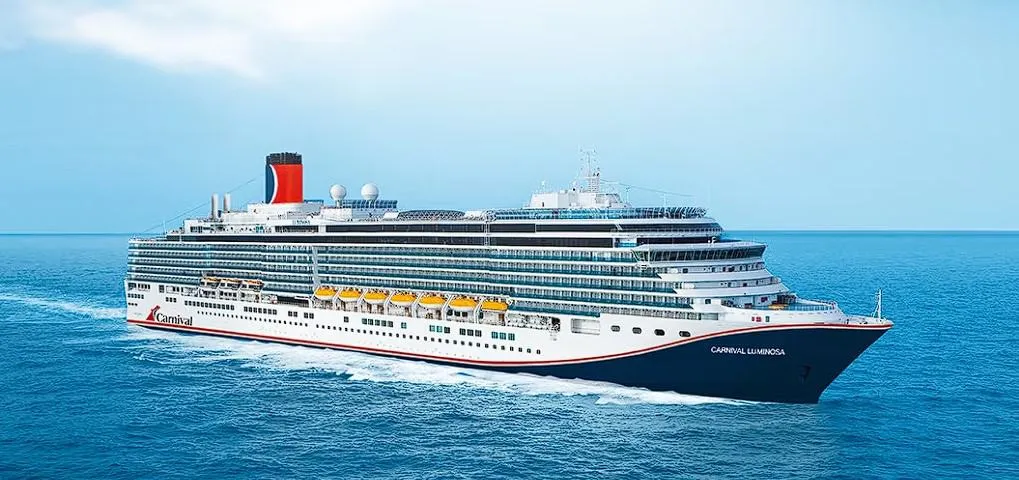
Carnival delivers the lowest per-night fares in mainstream cruising with a party atmosphere, excellent complimentary casual dining, and seasonal Australian departures from Brisbane and Melbourne via Carnival Luminosa. Norwegian counters with Freestyle Cruising flexibility, dramatically more dining choices per ship, and The Haven — a luxury ship-within-a-ship concept that creates a genuine premium experience inside a mainstream vessel. For budget-conscious families and groups wanting maximum fun per dollar, choose Carnival. For independent-minded cruisers who value dining variety, flexible scheduling, and the option to upgrade to a luxury suite experience, choose Norwegian.
The core difference
Carnival Cruise Line and Norwegian Cruise Line share more common ground than either would likely admit. Both are American-headquartered mainstream lines. Both eschew formal nights. Both operate large fleets of big ships packed with entertainment, waterslides, dining options, and bars. Both attract first-timers, families, and groups. And both are accessible at price points that make cruising a realistic holiday for people who might otherwise never consider it. The overlap is precisely why the choice between them is consequential — these lines occupy the same shelf in the cruise market, but the products they deliver are distinct enough that booking the wrong one will colour your entire perception of mainstream cruising.
Carnival’s identity is the fun ship. The atmosphere is deliberately festive, unapologetically boisterous, and structured around communal entertainment. The Punchliner Comedy Club, deck parties, Family Feud game shows, the BOLT roller coaster on Excel-class ships, Guy Fieri’s burger joints, and the poolside bar scene create a holiday where participation is part of the product. Carnival carries more children than any other cruise line — over a million per year — and the atmosphere reflects a brand that has built its identity around accessible, loud, unpretentious fun. The newest Excel-class ships (Mardi Gras, Celebration, Jubilee) represent a dramatic leap from the older fleet, introducing themed zones, celebrity-branded restaurants, and the Loft 19 suite sundeck.
Norwegian’s identity is Freestyle Cruising. Founded in Norway in 1966 and now headquartered in Miami, NCL fundamentally changed the industry in the early 2000s by abolishing fixed dining times, assigned seating, and formal dress codes. The concept is simple but transformative: eat when you want, where you want, with whoever you want, wearing whatever makes you comfortable. Norwegian executes this philosophy across a fleet of 20 ships carrying up to 20 restaurants per vessel — a dining variety that no other mainstream line approaches. The Haven, a private keycard-access luxury enclave on the top decks of every new ship, adds a dimension that Carnival does not offer: the ability to enjoy all the dining, entertainment, and activities of a mainstream mega-ship while retreating to a private pool, dedicated restaurant, and 24-hour butler service whenever you choose.
For Australian travellers, a significant practical distinction shapes this comparison. Carnival deploys Carnival Luminosa seasonally from Brisbane and Melbourne. Norwegian does not currently operate from Australian ports. That single fact may be decisive for Australians who prefer to board close to home.
What is actually included
Both lines operate on the mainstream model where the base fare covers the cabin, main dining, buffet, basic entertainment, and pool access, with beverages, specialty dining, Wi-Fi, and other extras charged separately or bundled into packages. The bundling strategies differ meaningfully.
Carnival’s base fare includes the main dining room (with both traditional fixed-time and anytime flexible options), the Lido Marketplace buffet, all complimentary casual venues (Guy’s Burgers, BlueIguana Cantina, Shaq’s Big Chicken on Excel-class ships, the pizzeria, the deli), basic room service, pool and waterpark access, the comedy club, stage shows, and the fitness centre. The Cheers! beverage package costs approximately USD $60 to $70 per person per day. Wi-Fi packages start from around USD $13 per day. Gratuities are automatically charged at USD $16 per person per day for standard cabins.
Norwegian’s base fare covers two or three complimentary restaurants (the main dining rooms and the buffet), basic room service, pool access, entertainment, and the fitness centre. Norwegian’s differentiator is the Free at Sea programme, which bundles optional add-ons at a discounted fixed rate: guests can choose from an open bar package, specialty dining credits, Wi-Fi, shore excursion credits, and a friends-and-family sail-free offer. When booked with a balcony cabin or above, the first perk is typically included free and additional perks are available at reduced rates. The Premium Plus package (approximately USD $49 per person per day when all perks are selected) bundles unlimited premium beverages, specialty dining, Wi-Fi, and excursion credits. Gratuities run USD $20 per person per day — notably higher than Carnival’s USD $16.
The net calculation favours Carnival for light spenders — fewer add-ons are needed because the complimentary casual dining is broader and the base price is lower. Norwegian offers better bundled value for heavy spenders — the Free at Sea programme with all perks selected delivers a comprehensive package that covers drinks, dining, and connectivity. For Australians calculating total cost, Norwegian’s higher gratuity charge (USD $4 per person per day more than Carnival) adds roughly AUD $45 per person per week.
Dining and culinary experience
Dining is where Norwegian separates most clearly from Carnival — and where the Freestyle Cruising philosophy manifests most visibly. The sheer number of restaurants per ship is Norwegian’s competitive weapon, while Carnival’s strength lies in the quality and variety of its complimentary options.
Carnival’s dining programme centres on celebrity-branded casual excellence that costs nothing extra. Guy’s Burgers is on every ship and is routinely cited as the best complimentary burger at sea. BlueIguana Cantina serves fresh burritos and tacos. Shaq’s Big Chicken delivers fried chicken sandwiches on Excel-class ships. Emeril Lagasse’s bistro and the Chibang! concept add variety on newer vessels. The main dining room offers a multi-course menu that exceeds expectations for the price point. Specialty restaurants — Fahrenheit 555 steakhouse, Bonsai Sushi, Ji Ji Asian Kitchen, Cucina del Capitano — are charged per visit at USD $25 to $45.
Norwegian’s dining variety is the broadest in mainstream cruising. A typical newer NCL ship carries 15 to 20 dining venues. Cagney’s Steakhouse serves prime cuts in a classic New York setting. La Cucina delivers Italian with made-to-order pasta. Le Bistro offers French cuisine that is genuinely above average for a mainstream line. Food Republic (on newer ships) provides a pan-Asian hawker-market experience with dishes ordered via tablet. Teppanyaki brings theatrical Japanese grill-side cooking. The Observation Lounge on Prima and Prima Plus-class ships serves complimentary light bites with panoramic ocean views. Norwegian Aqua, launched in April 2025, features the brand’s most extensive dining lineup yet. The Free at Sea specialty dining package provides credits for multiple paid venues, encouraging guests to eat widely across the ship.
The tradeoff is clear. Carnival gives you more food for free — the complimentary casual venues are excellent and reduce the incentive to spend on specialty restaurants. Norwegian gives you more restaurants to choose from — but the best venues carry surcharges, and enjoying the full dining breadth means either purchasing the specialty dining package or accepting significant per-meal charges. For Australian families watching the budget, Carnival’s model delivers more value at the base fare. For food-motivated cruisers who enjoy variety and are willing to pay for it, Norwegian’s restaurant count is genuinely compelling.
Suites and accommodation
Both lines offer the full range from inside cabins to expansive suites, but Norwegian’s suite proposition includes a concept that fundamentally changes the premium end of mainstream cruising.
Carnival’s accommodation spans inside cabins (approximately 185 square feet), ocean-view, balcony (approximately 185 square feet plus 35-square-foot balcony), and suites. Excel-class ships introduced Loft 19, a suite-exclusive sundeck with private cabanas, a dedicated bar, and premium service. The Excel Presidential Suite at roughly 1,120 square feet is the largest in the fleet. Suite benefits include priority embarkation and upgraded amenities, but the suite programme is less developed than Norwegian’s equivalent and does not create a fully separate onboard experience.
Norwegian’s suite programme is The Haven — and it is a fundamentally different proposition. The Haven occupies the top decks of every newer NCL ship behind keycard-only access, creating a private luxury enclave within the mainstream vessel. Haven guests enjoy their own pool, sun deck, restaurant (with a dedicated menu), lounge, 24-hour butler service, priority access to embarkation, tenders, and entertainment, a private courtyard, and an on-call concierge. The three-bedroom Garden Villa — spanning up to 5,000 square feet on some ships with a private terrace, grand piano, and multiple bathrooms — has won multiple awards for best suite at sea. On Norwegian Aqua, The Haven introduces an infinity pool that extends over the ship’s edge. The proposition is compelling: all the entertainment, dining variety, and activities of a mainstream ship carrying 3,000-plus guests, with a private luxury retreat to escape to whenever the crowds feel overwhelming.
For Australian travellers considering a premium experience, The Haven represents something that Carnival cannot currently match. The ability to enjoy Norwegian’s 20 restaurants, Broadway-style shows, go-karts, waterslides, and laser tag during the day, then retreat to a private pool and butler-served dinner in the evening, is a value proposition that dedicated luxury lines cannot replicate at anything near the same price point. Carnival’s Loft 19 is a step in this direction but does not yet include a dedicated restaurant, butler service, or the same level of private infrastructure.
Pricing and value
Both lines are mainstream-priced, but the cost structure differs in ways that affect the total holiday spend differently for different types of travellers.
Carnival is cheaper at the base fare. A seven-night Caribbean cruise in a balcony cabin starts from approximately AUD $1,000 to $1,400 per person on Carnival versus AUD $1,200 to $1,700 on Norwegian for comparable dates and itineraries. Shorter three- and four-night Carnival getaways can drop below AUD $500 per person total. Carnival’s Australian deployments from Brisbane and Melbourne start from roughly AUD $800 to $1,200 per person for shorter sailings. Norwegian does not sail from Australian ports, so add international flights of AUD $1,500 to $4,000 per person return to reach any NCL embarkation point.
Norwegian’s total cost depends on package choices. The Free at Sea programme with the Premium Plus bundle (approximately USD $49 per person per day for drinks, specialty dining, Wi-Fi, and excursion credits) adds roughly AUD $550 per person per week. Without packages, Norwegian’s higher gratuity charges and greater reliance on specialty dining surcharges push total onboard spending above Carnival’s equivalent. With the full Free at Sea package, Norwegian delivers a more inclusive experience — but the total per-night cost typically runs AUD $200 to $400 above Carnival’s equivalent.
The Haven changes the equation entirely. Haven suites on Norwegian carry per-night rates of approximately AUD $600 to $1,500 per person, which includes butler service, the private restaurant, the dedicated pool and lounge, priority everything, and premium beverages in the Haven area. For the same money, you could book a premium cruise line — but you would not get the 20 restaurants, the go-kart track, the waterslides, or the Broadway shows. The Haven’s value proposition is unique in the industry: luxury-line service levels inside a mainstream ship’s entertainment infrastructure.
Spa and wellness
Both lines operate spa and fitness programmes on every ship, with expanding wellness offerings on newer vessels — though neither line positions wellness as a core brand pillar.
Carnival’s Cloud 9 Spa offers thermal suites, thalassotherapy pools, saunas, steam rooms, and a full menu of massage, facial, and body treatments. Cloud 9 Spa staterooms and suites provide unlimited thermal suite access and spa-branded amenities. The Serenity Adult-Only Retreat — available on every ship — offers a quiet pool, padded loungers, and a dedicated bar away from the family zones. On Excel-class ships, Serenity is significantly larger and more developed, with a genuine resort-pool atmosphere.
Norwegian’s Mandara Spa (operated by the same third-party provider as Carnival’s spa) offers similar services: thermal suites with heated stone loungers, snow rooms, salt rooms, and treatment menus spanning massages, facials, and body wraps. On newer ships, the facilities are more extensive — Norwegian Aqua features a thermal spa with panoramic ocean views. The Vibe Beach Club is Norwegian’s adult-only sundeck, accessible for a daily fee (typically USD $50 to $100 per person per day) or complimentary for Haven guests — a premium retreat with hot tubs, a bar, and concierge service.
The key difference is access model. Carnival’s Serenity is complimentary for all guests. Norwegian’s Vibe Beach Club requires a fee for standard cabin guests, which can feel exclusionary but does keep the space less crowded and more premium in atmosphere. For Australian adults seeking a quiet retreat on a mainstream ship, Carnival delivers it free while Norwegian charges for the privilege — though Norwegian’s paid space is typically quieter and better-serviced as a result.
Entertainment and enrichment
Both lines invest heavily in onboard entertainment, but the programming philosophies differ in ways that reflect their broader brand identities.
Carnival’s entertainment centres on audience participation and social energy. The Punchliner Comedy Club runs multiple nightly shows — family-friendly early, adults-only late — and is the best dedicated comedy venue at sea. Game shows including Family Feud Live and Deal or No Deal fill the main theatre. Deck parties, poolside DJs, karaoke nights, and the Carnival WaterWorks waterparks keep the energy high from morning to well past midnight. Excel-class ships add the BOLT roller coaster and SkyRide suspended bike course. The entertainment is designed to bring strangers together — the pool deck is the social hub, and the comedy club is the evening anchor.
Norwegian’s entertainment is more varied and more technology-driven. Broadway and West End-calibre shows — including the Prince tribute on Norwegian Aqua — are staged with professional casts. Go-kart tracks (the first at sea), laser tag arenas, escape rooms, and virtual reality experiences appear on newer ships. The Galaxy Pavilion gaming complex on Prima-class ships offers immersive virtual reality adventures. Norwegian Aqua introduces the Aqua Slidecoaster (a hybrid waterslide and roller coaster), The Drop free-fall dry slide, and the Glow Court LED sports floor. The entertainment breadth on newer NCL ships rivals or exceeds Royal Caribbean — and significantly outpaces Carnival on variety, if not always on social atmosphere.
For Australian families, Norwegian’s newer ships offer more onboard activities per ship — particularly the go-karts, laser tag, and tech-driven experiences that appeal to older children and teenagers. Carnival’s entertainment is more socially inclusive — the comedy shows and game shows create a communal atmosphere where everyone is part of the fun, regardless of age or spending.
Fleet and destination coverage
Carnival operates 29 ships spanning multiple classes. The fleet is heavily deployed in the Caribbean, sailing from more US homeports than any competitor. Mediterranean, Alaska, and Hawaiian deployments round out the programme. The Excel-class ships (Mardi Gras, Celebration, Jubilee, with Festivale arriving 2027) are the flagships at 180,000 gross tonnes. The Australian seasonal deployment of Carnival Luminosa from Brisbane and Melbourne covers South Pacific and New Zealand itineraries. Private destinations include Celebration Key (opening 2025), Half Moon Cay, and Isla Tropicale in Honduras.
Norwegian operates 20 ships with four more Prima Plus-class vessels and an entirely new 5,000-passenger class on order through 2030. The fleet covers the Caribbean, Mediterranean, Alaska, Northern Europe, and Bermuda. Norwegian Aqua, launched April 2025, represents the brand’s latest innovation. NCL has won Best Caribbean Cruise Line at the World Travel Awards for over a decade. Private island destinations include Great Stirrup Cay in the Bahamas and Harvest Caye in Belize. Norwegian does not currently deploy ships to Australian waters — every NCL itinerary requires international flights from Australian gateways.
The Australian accessibility gap is significant. Carnival offers domestic departures. Norwegian does not. For Australians wanting to cruise without flying internationally, this comparison ends at the gangway. For those willing to fly, Norwegian’s Caribbean programme is arguably the strongest in mainstream cruising, and the Alaska deployment from Seattle is the most accessible US West Coast embarkation for Australian travellers connecting through Air New Zealand, United, or Qantas.
Where each line excels
Carnival excels in:
- Per-night value. Consistently the cheapest mainstream cruise per night, with complimentary casual dining from Guy’s Burgers, Shaq’s Big Chicken, and BlueIguana Cantina that reduces onboard spending before any paid extras.
- Comedy programming. The Punchliner Comedy Club is the best dedicated comedy venue at sea, with family-friendly and adults-only shows nightly.
- Australian departures. Carnival Luminosa from Brisbane and Melbourne provides domestic-departure cruising without international flights — a practical advantage Norwegian cannot match.
- Social atmosphere. The fun-ship culture creates an instant holiday community where strangers bond over poolside drinks, game shows, and deck parties.
- Budget-friendly family cruising. Short getaways under AUD $500 per person total make Carnival the lowest-cost entry into cruising for Australian families.
Norwegian excels in:
- Dining variety. Fifteen to twenty restaurants per ship — more than any other mainstream line — with the Freestyle concept allowing guests to eat wherever, whenever, with no reservations required at most venues.
- The Haven. A luxury ship-within-a-ship with private pool, dedicated restaurant, butler service, and keycard access. No other mainstream line offers a comparable premium enclave.
- Freestyle flexibility. No fixed dining times, no assigned seating, no dress codes. The entire ship operates on your schedule rather than theirs.
- Onboard activities. Go-karts, laser tag, escape rooms, the Aqua Slidecoaster, and virtual reality gaming — Norwegian’s newer ships offer the broadest range of tech-driven activities in mainstream cruising.
- Caribbean expertise. Best Caribbean Cruise Line at the World Travel Awards for over a decade running, with deep itinerary knowledge and two private island destinations.
Standout itineraries for Australian travellers
Carnival Luminosa: South Pacific from Brisbane or Melbourne (7 to 10 nights, seasonal) — Carnival’s domestic-departure programme is the most practical option in this comparison for Australians wanting to avoid international flights. Itineraries cover New Caledonia, Vanuatu, and New Zealand. At approximately 2,260 guests, Luminosa delivers the core Carnival experience at a manageable scale. Pricing starts from roughly AUD $800 per person for shorter sailings.
Carnival Celebration: Eastern Caribbean from Miami (7 nights, year-round) — The Excel-class experience with BOLT roller coaster, themed zones, Loft 19, and the full celebrity dining lineup. Perfect Day at Celebration Key and visits to Grand Turk and San Juan. For Australians fly-cruising to Florida, pair with a few nights in Miami or a theme park visit in Orlando. Fares from approximately AUD $1,200 per person in a balcony cabin.
Norwegian Aqua: Caribbean from Miami (7 nights, year-round from April 2025) — The newest NCL ship with the Aqua Slidecoaster, The Drop, Glow Court, the Prince tribute show, and the most expansive Haven ever built. This is Norwegian’s current flagship experience. Australian travellers fly to Miami via Los Angeles, Dallas, or San Francisco. Fares from approximately AUD $1,500 per person in a balcony cabin, or AUD $3,500 per person for a Haven suite.
Norwegian Bliss: Alaska from Seattle (7 nights, seasonal May to September) — NCL’s purpose-built Alaska ship with an observation lounge designed for glacier viewing, go-kart track with ocean views, and Haven suites with floor-to-ceiling windows for inside passage scenery. Seattle is accessible from Australian east coast cities via a single connection on United or Air New Zealand. Haven suites on Alaska sailings deliver a genuinely premium glacier experience. Fares from approximately AUD $1,800 per person in a balcony cabin.
Ship-by-ship recommendations
Carnival
Carnival Jubilee or Carnival Celebration (Excel class, 180,000 GT, approximately 5,200 guests) — The flagships with BOLT roller coaster, themed zones, Loft 19 suite sundeck, and the full celebrity dining programme. Choose Jubilee from Galveston, Celebration from Miami. These ships represent a genuine generational leap from Carnival’s older vessels and are the best way to experience what Carnival has become.
Carnival Luminosa (92,000 GT, approximately 2,260 guests) — The Australian deployment ship. Mid-size, fewer features than the Excel-class, but well-suited to shorter South Pacific sailings and an excellent introduction to the brand without leaving Australian shores. Choose for convenience and value.
Mardi Gras (Excel class, 180,000 GT, approximately 5,200 guests) — The original Excel-class ship from Port Canaveral. Convenient for Australians combining a cruise with a Florida theme park holiday. The Chibang! Chinese-Mexican restaurant is unique to this vessel.
Norwegian
Norwegian Aqua (Prima Plus class, approximately 3,500 guests, launched April 2025) — NCL’s current flagship with the Aqua Slidecoaster, The Drop, Glow Court, the most expansive Haven, and the brand’s broadest dining programme. The first ship with the official Prince tribute show. Choose for the newest Norwegian experience.
Norwegian Prima or Norwegian Viva (Prima class, approximately 3,100 guests) — The first purpose-designed NCL ships (rather than evolutions of existing platforms), featuring the Speedway go-kart track, Galaxy Pavilion gaming complex, Indulge Food Hall, and a redesigned Haven with infinity pool. More intimate than the larger Breakaway Plus ships. Choose for a slightly more refined Norwegian experience with cutting-edge onboard activities.
Norwegian Encore (Breakaway Plus class, approximately 3,998 guests) — The last of the Breakaway Plus class with the most refined version of that platform. Excellent for Alaska from Seattle, with an observation lounge designed for scenic cruising and a go-kart track with ocean views. Choose for Alaska itineraries.
For Australian travellers specifically
The most significant practical difference between these lines for Australian travellers is domestic accessibility — and it fundamentally shapes the comparison.
Carnival sails from Australia. Carnival Luminosa deploys seasonally from Brisbane and Melbourne, offering South Pacific and New Zealand itineraries that require no international flights, no US visa complications, and no 20-hour transit days. The P&O Cruises Australia legacy (absorbed into Carnival Cruise Line in 2024-2025) means the Carnival brand carries significant Australian market awareness and an established local booking infrastructure. For families wanting a mainstream cruise holiday without the logistics and expense of international flights, Carnival’s Australian programme is the practical choice.
Norwegian does not sail from Australia. Every NCL itinerary requires international flights from Australian gateways. Caribbean sailings from Miami mean 18 to 24 hours of transit each way through the United States. Alaska from Seattle is slightly more accessible — approximately 14 hours via a single connection. Mediterranean sailings from Barcelona, Rome, or Athens connect through Middle Eastern or Asian hubs. The flight cost (AUD $1,500 to $4,000 per person return) and transit time add significantly to the total holiday cost and the physical toll on the traveller.
For Australians willing to fly, Norwegian’s product is genuinely compelling. The dining variety, The Haven, and the Freestyle flexibility offer a differentiated experience that Carnival’s domestic deployment cannot replicate on a single mid-size ship. The Haven suites in particular represent a category of mainstream premium cruising that has no direct equivalent in the Australian market. An Australian couple booking a Haven suite on Norwegian Aqua for a seven-night Caribbean cruise will spend roughly AUD $10,000 to $15,000 per person including flights, transfers, and the cruise — less than most luxury cruise lines charge for the cruise fare alone, with more dining venues, more entertainment, and more onboard activities.
Loyalty programme considerations: Carnival’s VIFP Club and Norwegian’s Latitudes Rewards are separate programmes with no cross-recognition. Both reward repeat cruisers with tier-based benefits including priority embarkation, onboard credits, and suite upgrade offers. Neither programme extends to partner brands outside their respective corporate families.
The onboard atmosphere
Both lines are casual, informal, and energetic — but the energy expresses itself differently, and understanding the distinction prevents disappointment.
Carnival’s atmosphere is the house party. The dress code is genuinely casual — board shorts, singlets, and thongs are standard pool deck attire. The music is louder, the drinks are bigger, and the social barriers are lower than on Norwegian. The demographic skews slightly younger, with more groups of friends, more first-time cruisers, and a higher proportion of American Southern and Midwest families. The fun-ship culture creates an egalitarian atmosphere where nobody is performing sophistication and everyone is invited to participate. For Australians, the irreverence and lack of pretension feel culturally familiar, even if the American accents are different.
Norwegian’s atmosphere is the flexible resort. The Freestyle philosophy extends beyond dining to the entire onboard rhythm — there are no announcements herding you to dinner, no assigned seating creating social obligations, and no pressure to participate in anything you have not chosen. The demographic is slightly broader than Carnival’s, with more international guests and a wider age range. The atmosphere is social without being pushy — conversation happens naturally in the specialty restaurants, at the Observation Lounge, and around the pool, but Norwegian does not manufacture the communal bonding that Carnival’s game shows and comedy clubs produce. The Haven creates a distinct social stratum within the ship — Haven guests share the public spaces but retreat to a private world that standard cabin guests cannot access.
For couples without children, Norwegian’s Vibe Beach Club offers a premium adult retreat (for a fee), while Carnival’s Serenity is complimentary. For adults seeking a primarily grown-up atmosphere on either line, sailing outside school holiday periods significantly changes the onboard demographic on both brands.
The bottom line
Carnival and Norwegian compete directly for mainstream cruisers, and the overlap in their target market makes this comparison particularly important to get right. Both are casual, both are fun, both are American in personality, and both deliver legitimate value for the price. The differences are real but specific — and they align with different traveller priorities rather than different quality levels.
Choose Carnival for the best price in mainstream cruising. Choose it for Guy’s Burgers, Shaq’s Big Chicken, and complimentary casual dining that keeps the onboard spend honest. Choose it for the Punchliner Comedy Club and a social atmosphere where the fun is collective and participation is the point. Choose it for Carnival Luminosa from Brisbane and Melbourne — the ability to cruise without leaving Australia, without international flights, and without jet lag. Choose it for shorter, cheaper getaways that make cruising accessible to families who thought a cruise was beyond their budget. Accept that the older ships feel dated, that the entertainment favours participation over polish, and that the atmosphere is louder and more boisterous than some travellers prefer.
Choose Norwegian for Freestyle Cruising flexibility — eat where you want, when you want, with no schedules and no obligations. Choose it for 15 to 20 dining venues per ship and a culinary breadth that no other mainstream line matches. Choose it for The Haven — a luxury ship-within-a-ship that delivers butler service, a private pool, and a dedicated restaurant inside a mainstream entertainment complex. Choose it for go-karts, laser tag, the Aqua Slidecoaster, and tech-driven activities that push beyond traditional cruise entertainment. Choose it for the Caribbean, where NCL has won Best Caribbean Cruise Line for over a decade. Accept that you must fly internationally from Australia, that the total cost is higher than Carnival once flights and packages are included, and that the Freestyle approach means you must actively choose your evening rather than having the ship programme one for you.
For Australian travellers, the practical question often resolves simply. If you want to cruise from home at the best possible price, Carnival is the answer. If you are planning a fly-cruise holiday and want the most dining variety, the most flexible schedule, and the option to upgrade to The Haven, Norwegian delivers a differentiated experience that justifies the additional cost and travel time. Both lines are excellent at what they do — and neither pretends to be something it is not.