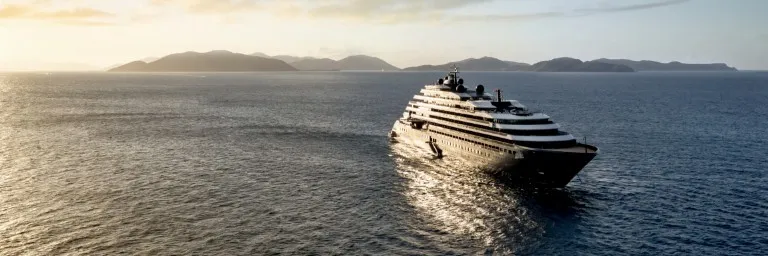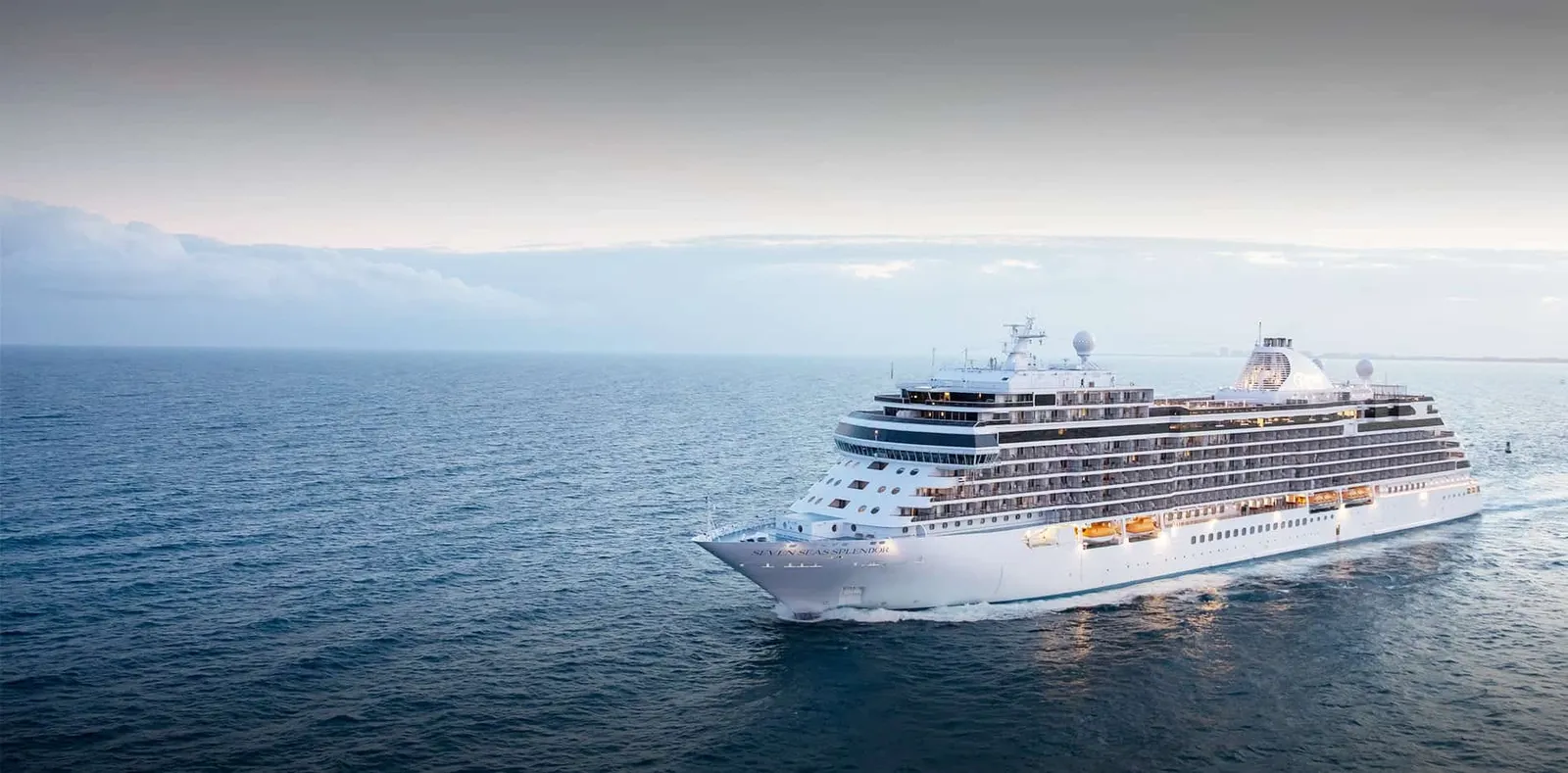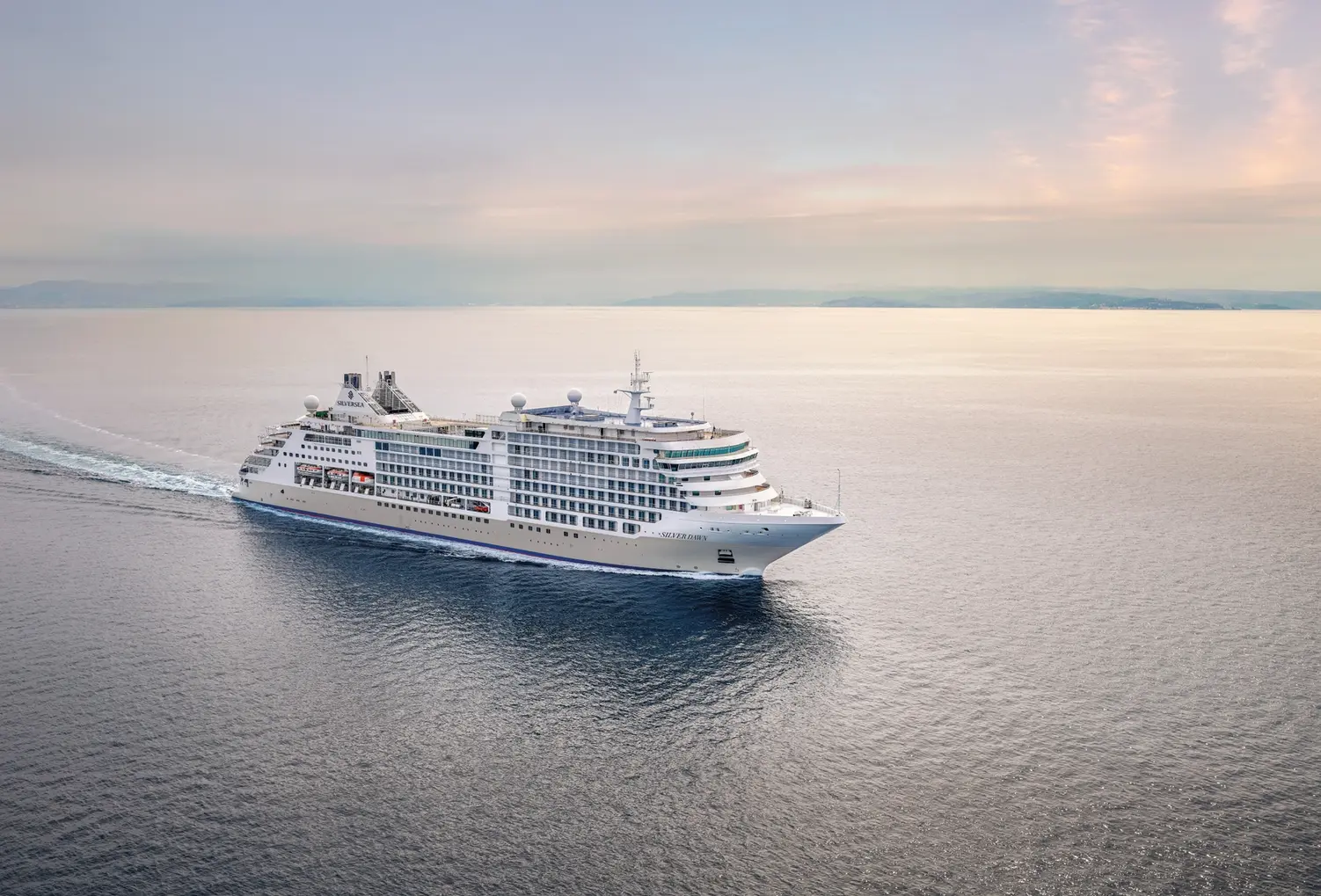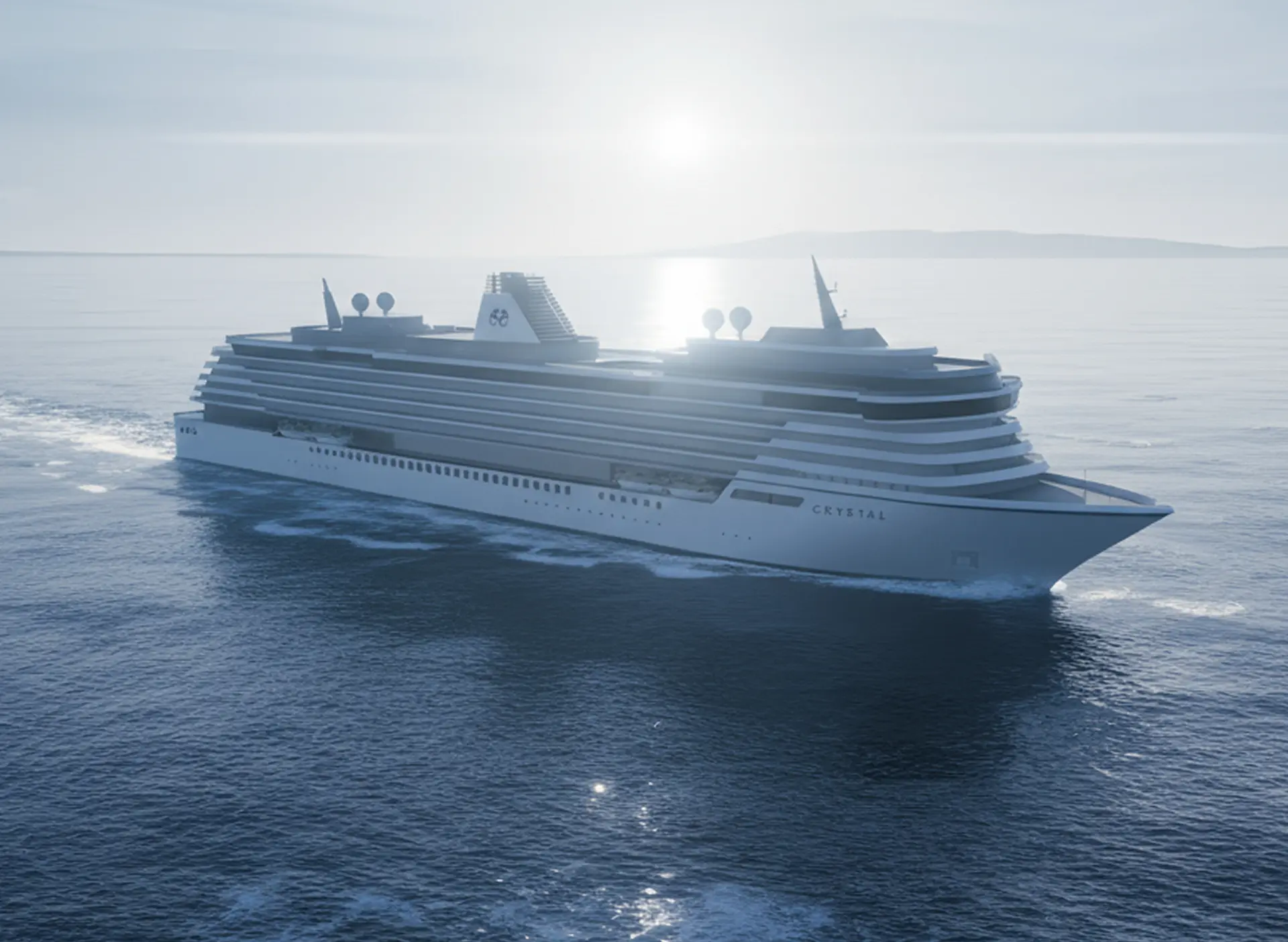
| Crystal Cruises | Seabourn | |
|---|---|---|
| Category | Ultra-Luxury | Expedition / Ultra-Luxury |
| Rating | ★★★★★ | ★★★★★ |
| Fleet size | 2 ships | 5 ships |
| Ship size | Mid-size (600–740) | Small (under 1,000) |
| Destinations | Worldwide — Mediterranean, Asia, Alaska, Caribbean, Northern Europe | Mediterranean, Caribbean, Antarctica, Northern Europe |
| Dress code | Crystal Casual to Black-Tie Optional | Casual elegance |
| Best for | Ultra-luxury travellers seeking space, world-class dining, and global itineraries | Ultra-luxury intimate ship enthusiasts |
Crystal and Seabourn represent two distinct visions of ultra-luxury cruising — both all-inclusive, both with near 1:1 crew ratios, both delivering exceptional service — yet fundamentally different in fleet strategy, ownership philosophy, and what they offer Australian travellers. Crystal, relaunched in 2023 under the ownership of the man who previously built Silversea, delivers the finest dining programme at sea with Nobu, Alajmo, and Beefbar, the highest space-to-guest ratio in ultra-luxury, and a warm service culture rooted in remarkable crew retention. Seabourn counters with five ships including two purpose-built expedition vessels carrying custom submarines and Zodiacs, Thomas Keller's only restaurant at sea, Dr. Andrew Weil's wellness programme, and established Kimberley expeditions from Australian waters. For Australians, the expedition question is decisive: Seabourn offers Kimberley voyages with submarines exploring waters no diver can reach, while Crystal has no expedition capability whatsoever. Choose Crystal for peak dining, enrichment depth, and space per guest. Choose Seabourn for expedition access, fleet breadth, and the ability to explore Australia's own coastline.
The core difference
Crystal Cruises and Seabourn share ultra-luxury credentials that few competitors can match — near 1:1 crew-to-guest ratios, all-inclusive fares covering premium beverages and gratuities, all-suite or all-veranda accommodation, and a commitment to intimate ship sizes under 750 guests. Both were founded by Norwegians in the 1980s. Both have changed hands in ways that reshaped their identities. And both now compete for the same affluent, well-travelled guest who demands the very best at sea.
But the strategic directions these two lines have taken could not be more different — and understanding that divergence is the key to choosing correctly.
Crystal’s story is one of resurrection and refinement. Founded in 1988 by NYK Line of Japan, Crystal built a reputation over three decades as the warm, service-led alternative to European ultra-luxury. When the line collapsed into bankruptcy in 2022, Manfredi Lefebvre d’Ovidio — the man who built Silversea into an Italian icon before selling it to Royal Caribbean — partnered with Geoffrey Kent of Abercrombie & Kent to acquire the brand and both ships. Over 80 per cent of the original crew returned. The dining programme was rebuilt around the only Nobu restaurant at sea, a collaboration with three-Michelin-starred chef Massimiliano Alajmo, and Beefbar from Monte Carlo. Crystal relaunched in July 2023 with two refurbished ships carrying a combined 1,346 guests, the highest space-to-guest ratio in ultra-luxury, and a service culture that reviewers describe as the warmest in the segment. Crystal promptly won Travel + Leisure’s number one ranking in 2025. Crystal Grace, the line’s first new build in 25 years, arrives May 2028.
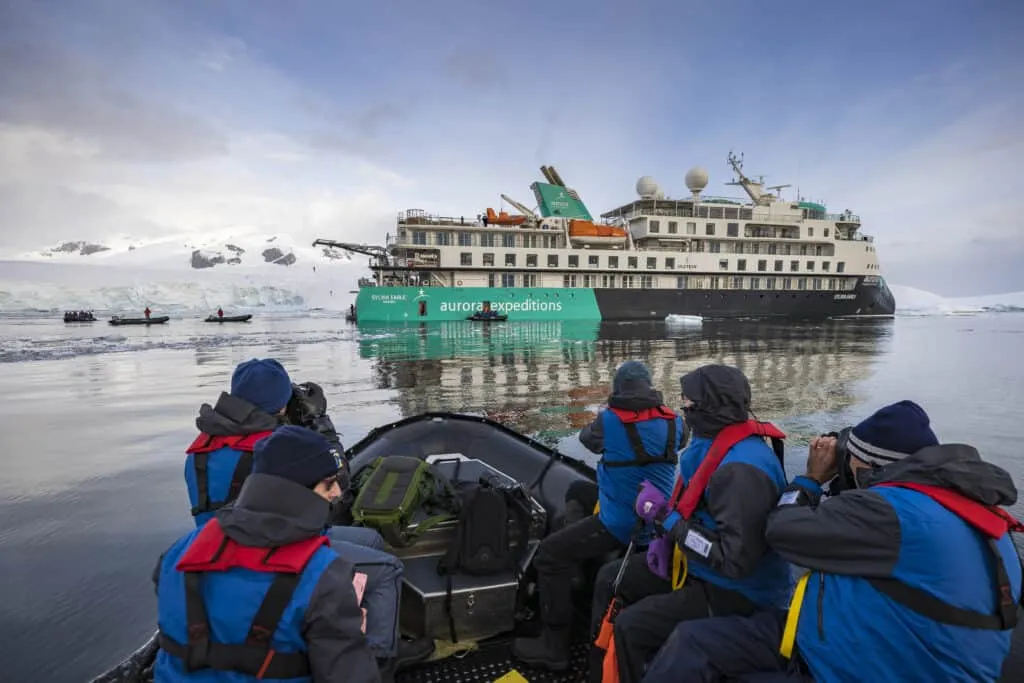
Seabourn’s story is one of expansion into expedition. Founded in 1986 by Atle Brynestad — the Norwegian entrepreneur who would later found SeaDream Yacht Club — Seabourn was acquired by Carnival Corporation in 1999 and has operated alongside Holland America, Princess, and Cunard ever since. The ocean fleet of three ships (Seabourn Ovation, Encore, and Sojourn) carries 450 to 600 guests each, with all-suite accommodation and Thomas Keller’s only restaurant at sea. The defining strategic move came in 2022 and 2023 with the launch of Seabourn Venture and Seabourn Pursuit — purpose-built PC6 ice-strengthened expedition ships carrying 264 guests, a fleet of Zodiacs, kayaks, and two custom-built submarines capable of diving to 300 metres. These submarines — unique in the cruise industry — allow guests to explore underwater environments no diver can reach, from beneath Antarctic ice shelves to coral reef walls in the Kimberley. In a single move, Seabourn became the only ultra-luxury line offering both ocean cruising and submarine-equipped expedition voyaging.
For Australian travellers, the divergence is especially consequential. Seabourn’s expedition ships operate Kimberley seasons from Broome and Darwin, offering submarine dives beneath the Kimberley’s ancient waters — an experience available nowhere else in the cruise industry. Crystal visits Australian waters only during its annual World Cruise, typically in February and March, with no expedition capability and no Kimberley programme. If your priority is exploring Australia’s own extraordinary coastline at ultra-luxury level, with submarines and Zodiacs, Seabourn is the only choice from this pairing. If your priority is the finest dining programme and the most spacious ocean cruising experience in ultra-luxury, Crystal has no equal.
What is actually included
Both lines deliver genuinely all-inclusive ultra-luxury — but the specifics diverge in ways that affect daily experience, particularly on Seabourn’s expedition ships.
Crystal includes: premium spirits, wines, and cocktails throughout the ship; butler service in every suite and guest room category (including the smallest cabin); Starlink Wi-Fi (standard tier); all gratuities; 24-hour in-suite dining; and all enrichment programming. Dining at most venues is included, but Umi Uma by Nobu and Osteria d’Ovidio are subject to reservation caps — one to three complimentary visits depending on voyage length, with additional visits costing USD $50 each. The Vintage Room wine dinner carries a surcharge of USD $220 to $1,200 per person. Crystal does not include flights, shore excursions, or airport transfers (except for Crystal Penthouse guests).
Seabourn includes: premium spirits, wines, and cocktails throughout the ship; all dining at every restaurant without surcharges or reservation caps — including The Grill by Thomas Keller, which is fully included with no surcharge on any visit; all gratuities; complimentary Wi-Fi; 24-hour in-suite dining; and all enrichment programming. On expedition ships, the fare additionally covers all Zodiac excursions, submarine dives (subject to conditions and scheduling), kayak excursions, and expert-guided shore landings. Seabourn does not include flights, independent shore excursions on ocean ships, or spa treatments.
The inclusion comparison: Seabourn’s dining model is marginally more inclusive — The Grill by Thomas Keller has no visit caps or surcharges, whereas Crystal charges USD $50 for additional Nobu or Alajmo visits. For guests who dine at speciality restaurants frequently, this difference adds up over a 14-night voyage. On expedition ships, Seabourn’s all-inclusive Zodiac, submarine, and guided landing programme represents substantial additional value — activities that would cost hundreds of dollars per excursion on a non-expedition sailing. Crystal’s butler service in every category matches Seabourn’s provision on ocean ships, where all suites receive butler service. Both lines include premium beverages without pour limits or brand restrictions at standard bars.
Dining and culinary experience
This is where both lines make their most powerful cases — through fundamentally different culinary philosophies anchored by globally recognised chef partnerships.
Crystal offers eight to nine dining venues per ship, headlined by three signature restaurants. Umi Uma by Nobu Matsuhisa is the only Nobu restaurant at sea, serving Japanese-Peruvian fusion with dishes including miso black cod, yellowtail sashimi with jalapeno, and a signature omakase menu that multiple reviewers rate as exceeding land-based Nobu locations. Osteria d’Ovidio is a collaboration with Massimiliano Alajmo — the youngest chef in history to receive three Michelin stars — featuring handmade pastas, risottos, and a tasting menu that draws from the Alajmo brothers’ Le Calandre restaurant near Padua. Beefbar brings the Monte Carlo steakhouse concept to sea with Australian Wagyu, American Black Angus, and Japanese Kobe beef. Waterside, the main dining room, operates open seating with rotating menus refined by returning chefs who have been with the line for decades. Tastes Kitchen & Bar serves global street food. Scoops offers artisan gelato by Badiani of Florence. Crystal won U.S. News Best Cruise Line for Dining (2026) and holds the highest passenger dining ratings in the ultra-luxury category on Cruise Critic.
Seabourn offers five to six dining venues on ocean ships, centred on The Grill by Thomas Keller — the only Thomas Keller restaurant at sea. Keller, the chef behind The French Laundry and Per Se, designed a menu celebrating the art of tableside preparation: Dover sole deboned at the table, Caesar salad tossed in front of you, Baked Alaska flambeed with ceremony. The restaurant occupies a poolside setting reminiscent of the great American steakhouse traditions Keller admires. The Restaurant serves as the main dining room with open seating, delivering refined multi-course menus with attentive service. The Colonnade offers indoor-outdoor dining with regional menus. Sushi is available on the pool deck. Earth & Ocean on expedition ships adapts the dining programme with regionally inspired menus reflecting expedition destinations. On expedition ships, the Expedition Lounge serves as both briefing centre and casual dining venue.
The comparison: Crystal has the higher concentration of celebrity chef partnerships and more dining venues per ship. Three globally recognised restaurants — Nobu, Alajmo, and Beefbar — create a culinary programme that no competitor, including Seabourn, can match for breadth of pedigree. Seabourn’s single Thomas Keller partnership, however, represents a culinary philosophy of comparable depth — Keller is arguably the most influential American chef alive, and the tableside theatre of The Grill is a uniquely memorable dining experience. Crystal wins on dining variety and the sheer number of celebrity chef partnerships. Seabourn wins on simplicity and the inclusive nature of its speciality dining — no caps, no surcharges, no decisions about whether your third Nobu visit is worth USD $50. For the food-driven traveller, Crystal is the stronger choice. For the traveller who wants one exceptional speciality restaurant fully included without restriction, Seabourn delivers.
Suites and accommodation
Both lines offer all-suite or all-veranda accommodation at the entry level, but the hardware reflects different eras and design philosophies.
Crystal’s accommodation ranges from the 215-square-foot Guest Room (no balcony) to the Crystal Penthouse Suite at 850 to 1,265 square feet. The realistic comparison entry point is the Aquamarine Veranda Suite at 323 square feet plus an 86-square-foot veranda. The 2023 refurbishment introduced a residential design language across both ships — pale oak panelling, brushed brass fixtures, alabaster sconces, and soft fabrics in a palette described by reviewers as “warm, soulful, impeccably curated.” Every category receives dedicated butler service. Crystal Serenity’s passenger space ratio of 93.1 gross tonnes per guest — achieved by reducing capacity from 1,040 to 740 — means corridors, lounges, and public spaces feel exceptionally uncrowded. Crystal Grace (arriving May 2028) will offer all-veranda suites throughout, including an Owner’s Suite spanning 1,950 square feet plus a 1,965-square-foot private veranda.
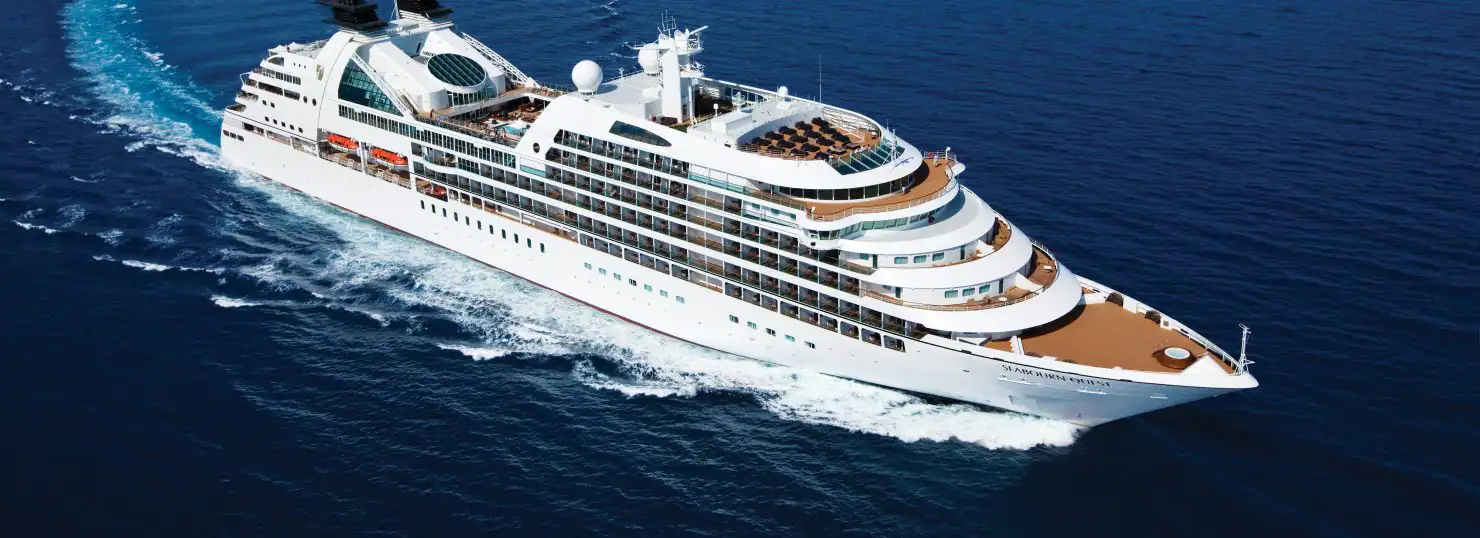
Seabourn’s ocean ship accommodation is all-suite with verandas from the entry level. The Veranda Suite starts at approximately 300 square feet plus a private veranda — comparable to Crystal’s Aquamarine category. Penthouse Suites span 436 square feet plus veranda. The Signature Suite reaches 526 square feet, and the Wintergarden Suite offers 914 square feet with a glass-enclosed solarium. All suites receive butler service. The design is contemporary and understated — neutral tones, clean lines, and quality soft furnishings. On expedition ships, suites are similarly configured with dedicated butler service, ranging from Veranda Suites at approximately 355 square feet to the Wintergarden Suite. The expedition ships carry purpose-built mud rooms, equipment storage, and expedition staging areas that ocean ships lack.
The space comparison: Crystal Serenity’s 93.1 gross tonnes per guest is the highest in the ultra-luxury segment and creates a tangible sense of spaciousness throughout the ship — not just in the suite, but in every corridor, lounge, and dining venue. Seabourn’s ocean ships offer approximately 68 to 71 gross tonnes per guest — generous by any standard, but a noticeable step below Crystal’s. At the entry suite level, Seabourn’s Veranda Suite and Crystal’s Aquamarine Veranda are closely matched in size. The meaningful difference is the public space ratio, where Crystal’s advantage is felt across every hour of the day.
Pricing and value
Both lines occupy the upper tier of ultra-luxury pricing, with Crystal positioning itself as a value proposition within the segment and Seabourn commanding a premium for expedition capability.
Crystal’s per-diem runs approximately USD $500 to $750 per person per night for ocean sailings, depending on voyage length and suite category. A seven-night Mediterranean sailing in an Aquamarine Veranda Suite costs roughly USD $685 to $750 per night. Longer sailings drop to USD $500 to $630 per night. The 2027 World Cruise starts from approximately USD $493 per night. Crystal’s positioning since the relaunch has been aggressive — deliberately undercutting competitors like Regent, Silversea, and Seabourn to rebuild market share and attract first-time ultra-luxury guests.
Seabourn’s per-diem runs approximately USD $600 to $900 per person per night for ocean sailings in a Veranda Suite, with Mediterranean and Northern European itineraries at the higher end. Expedition sailings command a significant premium: Kimberley voyages run approximately AUD $1,200 to $1,800 per night, and Antarctic expeditions from approximately USD $900 to $1,500 per night — reflecting the inclusion of Zodiac excursions, submarine dives, expert guides, and expedition infrastructure.
The Australian value equation: Crystal requires Australian travellers to fly internationally to most embarkation ports — typically AUD $8,000 to $18,000 per person return business class to Europe. The fare is lower per night, but total holiday cost rises substantially once flights and pre-cruise hotels are factored in. Seabourn’s Kimberley expeditions depart from Broome and Darwin — domestic flights from east coast capitals cost AUD $500 to $1,200 return, a fraction of the international flight cost to reach Crystal’s Mediterranean or Caribbean itineraries. For the Australian traveller weighing Seabourn’s Kimberley expedition against a Crystal Mediterranean sailing, the total cost may be surprisingly comparable once flights are included — but Seabourn delivers the additional value of submarine dives and guided landings in Australia’s own backyard.
Spa and wellness
Both lines invest in dedicated wellness programmes, but Seabourn’s partnership with Dr. Andrew Weil creates a distinctive holistic offering.
Crystal’s Aurora Spa features 10 to 12 treatment rooms per ship, gender-separated steam rooms and saunas, a relaxation room, and a fitness centre with Technogym equipment and panoramic ocean views. Two pools with retractable glass roofs provide open-air or sheltered swimming. Products are by ELEMIS. Crystal’s Wellness Retreat Cruises — launched in 2025 and expanding to a third annual season in 2026 — feature functional training, sunrise yoga, mindfulness meditation, acupuncture, aromatherapy, and wellness-focused menus curated alongside the dining programme.
Seabourn’s Spa & Wellness with Dr. Andrew Weil is the line’s signature wellness partnership. Dr. Weil — the American physician and integrative medicine pioneer — has developed a programme blending Eastern and Western wellness traditions: mindful meditation, yoga, nutritional guidance, and a menu of spa treatments designed around his philosophy of holistic health. The spa features treatment rooms, a thermal suite with sauna and steam, a fitness centre, and an outdoor pool area. On ocean ships, the Retreat offers a wellness-focused outdoor space. Expedition ships include spa facilities adapted for the expedition context — post-Zodiac recovery treatments are particularly popular in polar waters. Products include Dr. Weil’s own wellness formulations alongside premium spa brands.
The comparison: Crystal’s spa facilities are larger and more comprehensively equipped, with the retractable-roof pools providing a distinctive feature. Seabourn’s Dr. Weil partnership creates a more integrated wellness philosophy — the programme extends beyond the spa to dining (wellness-focused menus), daily routines (guided meditation, mindfulness), and a holistic approach that shapes the onboard experience rather than being confined to the spa deck. Crystal wins on facility scale and the dedicated Wellness Retreat sailings. Seabourn wins on philosophical depth and the Dr. Weil integration. Neither matches Regent’s complimentary Canyon Ranch spa treatments, but both offer quality wellness experiences appropriate to the ultra-luxury segment.
Entertainment and enrichment
Crystal’s enrichment programme is the deepest in ultra-luxury — a genuine competitive advantage that Seabourn’s more destination-focused approach cannot match in breadth.
Crystal’s Creative Learning Institute is the most comprehensive structured enrichment programme at sea: Berlitz language classes in multiple languages, Yamaha keyboard lessons from professional musicians, Cleveland Clinic wellness lectures covering health and longevity topics, PGA golf training with Callaway equipment and a full-swing simulator, professional bridge instruction for all levels, ballroom dance lessons with gentleman hosts, arts and crafts workshops, wine tastings, and digital photography classes. The Crystal Visions lecture series brings historians, scientists, diplomats, and destination specialists aboard every sailing. The Galaxy Lounge hosts Broadway-inspired production shows curated by a multi-Tony Award-winning producer. The Stardust Supper Club offers a dinner-and-show experience evoking mid-century glamour. The Casino de Monte-Carlo — the first and only one at sea, opened November 2024 — adds a social dimension unique to Crystal.
Seabourn’s enrichment centres on the Seabourn Conversations programme — a lecture series featuring experts, authors, and personalities covering topics from marine biology to geopolitics. Destination-focused talks prepare guests for upcoming ports. The Spa & Wellness with Dr. Andrew Weil programme extends enrichment into health and mindfulness. Evening entertainment includes shows in the Grand Salon, live music in the Observation Lounge, and the Caviar in the Surf signature event — where champagne and caviar are served on a beach or from the ship’s marina platform during a port call. On expedition ships, enrichment deepens substantially: a full expedition team of naturalists, marine biologists, and historians delivers daily briefings, Zodiac excursions become immersive educational experiences, and the submarines provide a dimension of underwater exploration unique in the cruise industry.
The distinction: Crystal offers more on the ship — more classes, more structured programming, more venues for evening entertainment, and the only casino in ultra-luxury. Seabourn offers more in the destination — particularly on expedition ships, where every landing, every submarine dive, and every naturalist briefing becomes enrichment. Crystal’s approach suits travellers who enjoy learning new skills and attending lectures during sea days. Seabourn’s approach suits travellers who want the destination itself to be the curriculum. On ocean ships, Crystal has the clear enrichment advantage. On expedition ships, Seabourn’s naturalist-led programme is in a different category entirely.
Fleet and destination coverage
Seabourn’s five-ship fleet with its expedition division gives it materially broader coverage than Crystal’s two ocean ships — a gap that will narrow only slowly as Crystal builds new vessels.
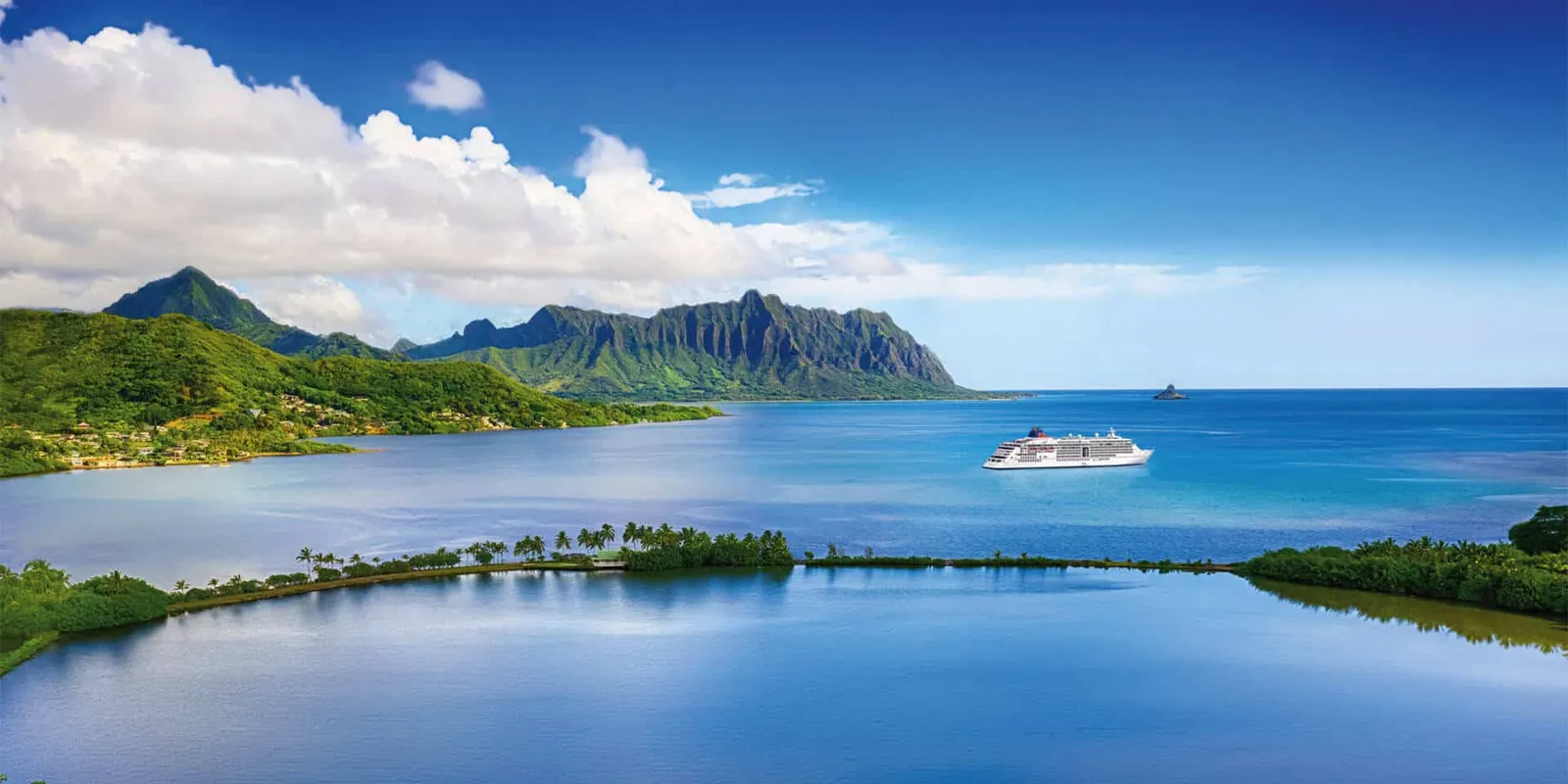
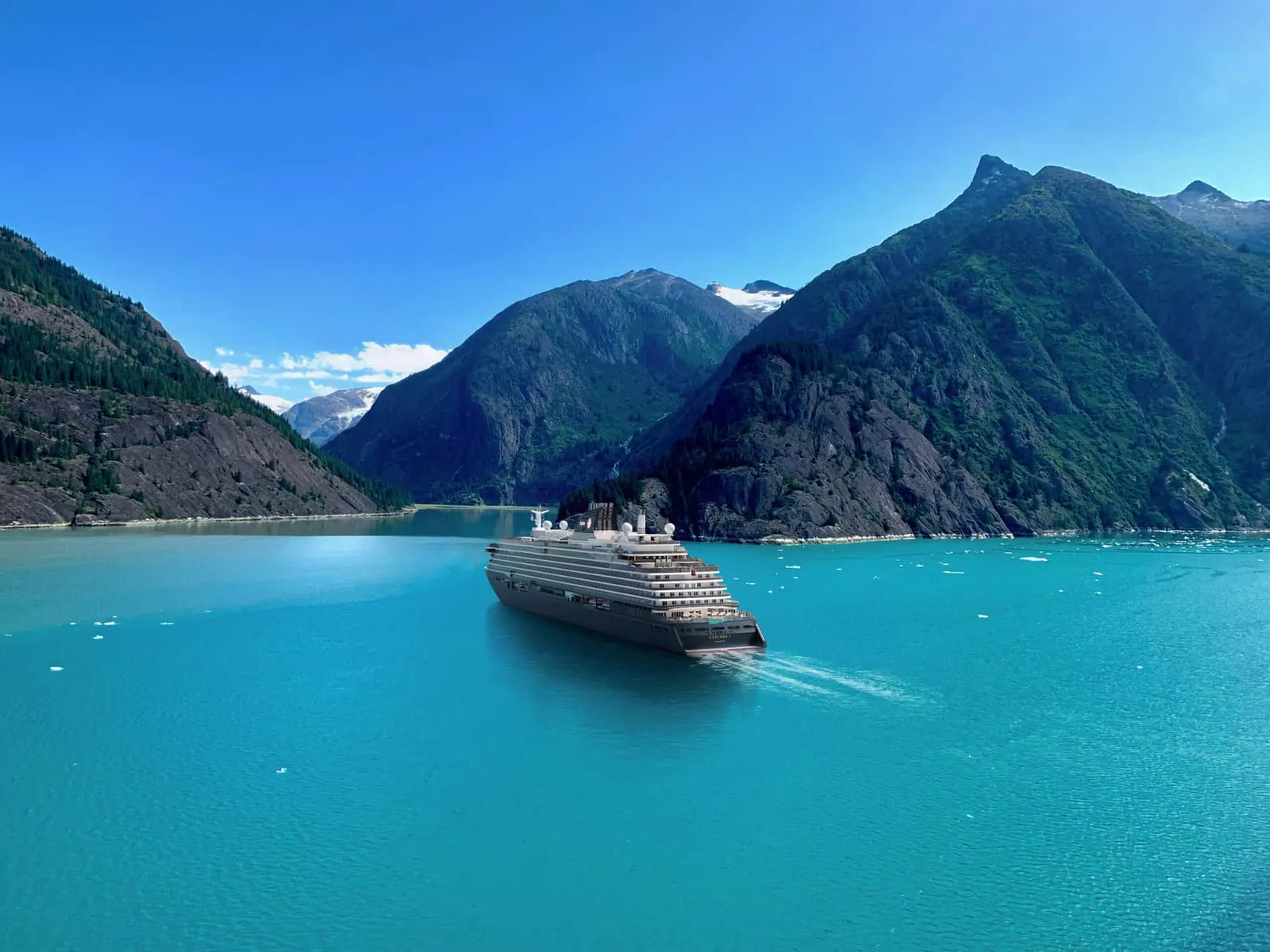
Crystal operates two ocean ships: Crystal Serenity (740 guests, 68,870 GT, built 2003, refurbished 2023) and Crystal Symphony (606 guests, 51,044 GT, built 1995, refurbished 2023). Crystal Grace arrives May 2028, with two sister ships following in 2030 and 2032. Current deployment covers the Mediterranean, Northern Europe, Alaska (returning from 2026), the Caribbean, Asia, and an annual 135 to 140-night World Cruise. Crystal has no expedition capability.
Seabourn operates five ships across two divisions. The ocean fleet comprises Seabourn Ovation (2018, 604 guests), Seabourn Encore (2016, 604 guests), and Seabourn Sojourn (2010, 458 guests). The expedition fleet comprises Seabourn Venture (2022, 264 guests, PC6 ice class) and Seabourn Pursuit (2023, 264 guests, PC6 ice class). Deployment spans the Mediterranean, Northern Europe, the Caribbean, Alaska, Australia and New Zealand, Asia, Antarctica, the Arctic, the Kimberley, the Amazon, South Pacific islands, and both polar regions.
The coverage gap: Seabourn’s five ships serve more regions with more departure dates. The expedition division opens destinations Crystal cannot reach — Antarctica, the Arctic, the Amazon, the Kimberley, and remote Pacific islands accessible only by Zodiac. Crystal’s two ships mean fewer itinerary options and longer waits for preferred regions. For any given month, Seabourn has more ships in more places. This gap is structural: even when Crystal reaches five ocean ships by the early 2030s, Seabourn’s expedition division will remain an entirely separate competitive advantage.
Where each line excels
Crystal excels in:
- Dining quality and variety. The only Nobu at sea, a three-Michelin-starred Italian collaboration, Beefbar from Monte Carlo, and eight to nine dining venues per ship. Independent reviewers consistently rate Crystal’s dining above every ultra-luxury competitor, including Seabourn.
- Space per guest. Crystal Serenity’s 93.1 gross tonnes per guest is the highest in ultra-luxury — materially ahead of Seabourn’s approximately 68 to 71 on ocean ships. The result is uncrowded public spaces, wider corridors, and a sense of personal space that larger guest counts cannot replicate.
- Enrichment breadth. The Creative Learning Institute — Berlitz languages, Yamaha keyboard, PGA golf, Cleveland Clinic wellness, professional bridge — goes far beyond any competitor’s enrichment programme, including Seabourn’s.
- Service warmth. Over 80 per cent of Crystal’s pre-bankruptcy crew returned, creating an emotional continuity and familiarity that reviewers describe as “like family.” Crew remember your name, your drink, your preferences from previous voyages.
- Per-night value. Crystal’s headline fare undercuts Seabourn’s on comparable ocean itineraries by 15 to 25 per cent for similar suite categories.
Seabourn excels in:
- Expedition capability. Two purpose-built PC6 ice-strengthened ships with custom submarines, Zodiacs, and kayaks. Antarctica, the Arctic, the Kimberley, the Amazon — destinations Crystal cannot reach. The submarines are unique in the cruise industry.
- Kimberley access for Australians. Seabourn operates Kimberley expeditions from Broome and Darwin with submarine dives beneath ancient reef systems and Zodiac landings at King George River and Montgomery Reef. Crystal has no Australian expedition offering.
- Fleet breadth. Five ships across ocean and expedition divisions provide more itinerary choice, more departure dates, and coverage of polar regions and remote coastlines that two ocean ships cannot serve.
- Inclusive dining model. The Grill by Thomas Keller is fully included without caps or surcharges — no decision required about whether your fourth visit is worth an additional fee. Crystal’s speciality restaurants have visit caps with USD $50 charges for additional bookings.
- The Caviar in the Surf experience. Seabourn’s signature champagne and caviar beachside event is one of ultra-luxury cruising’s most celebrated moments — an outdoor experience that Crystal’s land-based chef partnerships, however impressive, cannot replicate.
Standout itineraries for Australian travellers
Seabourn offers substantially more Australian accessibility, particularly through its Kimberley expedition programme. Crystal offers unique World Cruise segments with Australian embarkation.
Crystal
World Cruise: Melbourne to Bali (18 nights, February-March on Crystal Serenity) — The most compelling Crystal sailing for Australians. Embark Melbourne without an international flight for Victorian travellers. Sail via Sydney, Gold Coast, Brisbane, Airlie Beach, Cairns, Thursday Island, Darwin, Komodo Island, and Bali. From USD $15,500 per person. The itinerary traverses the entire Australian east coast before crossing into Indonesia.
World Cruise: Auckland to Melbourne (approximately 8 nights, February on Crystal Serenity) — Embark Auckland (a three-hour direct flight from Sydney), sail through New Zealand’s Dusky Sound, Doubtful Sound, and Milford Sound into Melbourne. A short, accessible segment of the World Cruise ideal for first-time Crystal guests.
2027 World Cruise: Stories of the South Seas (140 nights on Crystal Serenity) — The March segment visits Milford Sound, Tasmania, Sydney, Melbourne, and the Great Barrier Reef. Join in Auckland and disembark Brisbane for an accessible 15-night Australian segment from approximately USD $493 per night.
Alaska from Vancouver (9 nights, July-September on Crystal Symphony) — Seven back-to-back roundtrip Vancouver sailings. Crystal’s first Alaska season since 2019. Fly Sydney or Melbourne to Vancouver via Los Angeles on Qantas (approximately 14 to 16 hours).
Seabourn
Seabourn Venture or Pursuit: Kimberley Expedition (10-12 nights, Broome to Darwin or reverse, May-August) — The headline Seabourn experience for Australian travellers. Zodiac landings at King George River, Montgomery Reef, and the Horizontal Waterfalls. Custom submarine dives explore underwater environments beneath ancient Kimberley reef systems — an experience available on no other cruise line. Expert naturalist team leads every excursion. All expedition activities included. Domestic flights from east coast capitals to Broome from AUD $500 to $1,200 return.
Seabourn Ovation or Encore: Australia and New Zealand (various lengths, seasonal deployment) — Ocean ships deploy to Australian and New Zealand waters for the southern summer season, with embarkation from Sydney, Melbourne, and Auckland. Itineraries include the Great Barrier Reef, Milford Sound, Tasmania, and trans-Tasman crossings. The Grill by Thomas Keller operates in Australian waters.
Seabourn Venture: Antarctica (16-21 nights from Ushuaia) — PC6 ice-strengthened hull navigates Antarctic waters including the peninsula and South Georgia. Submarine dives beneath Antarctic ice provide a perspective available to no other cruise passenger. Zodiac landings, kayaking, and a full naturalist expedition team. Fly from Australian east coast capitals to Buenos Aires, then charter or scheduled flight to Ushuaia.
Seabourn Pursuit: South Pacific Islands (various lengths, seasonal deployment) — Expedition exploration of Papua New Guinea, Melanesia, and remote South Pacific island groups accessible only by Zodiac. Submarine dives over coral walls. Expert anthropologists and marine biologists. A distinctly different expedition character from the polar programme.
Ship-by-ship recommendations
Crystal
Crystal Serenity (740 guests, 2003, refurbished 2023) — The flagship and the ship that visits Australian waters annually. Nine dining venues including Nobu, Alajmo, and Beefbar. The highest passenger space ratio in ultra-luxury at 93.1 gross tonnes per guest. The Casino de Monte-Carlo adds evening social energy unique to Crystal. The better choice for first-time Crystal guests and for any Australian-accessible sailing.
Crystal Symphony (606 guests, 1995, refurbished 2023 and 2025) — Smaller, more intimate, and over 30 years old. Deployed to Alaska (summer 2026) and the Caribbean. Some secondary areas show their age despite the refurbishment. Best for guests specifically wanting Alaska or a more intimate Crystal experience. If modern hardware matters, wait for Crystal Grace rather than booking Symphony.
Crystal Grace (arriving May 2028) — Crystal’s first new build in 25 years. All-veranda suites throughout, approximately 650 guests, an Owner’s Suite with a 1,965-square-foot private veranda. The ship that closes the hardware gap with Seabourn’s newer vessels. Worth waiting for if you value modern design.
Seabourn
Seabourn Ovation (604 guests, 2018) — The newest ocean ship and the best introduction to Seabourn’s ocean product. The Grill by Thomas Keller, the Spa & Wellness with Dr. Andrew Weil, and the most contemporary ocean-ship design in the fleet. Choose for Mediterranean, Northern European, and Australian seasonal deployments.
Seabourn Encore (604 guests, 2016) — Near-identical to Ovation with the same restaurant and spa offerings. Choose based on itinerary rather than ship preference. Deployed across the Mediterranean, Asia, and Australia.
Seabourn Sojourn (458 guests, 2010) — The smallest and most intimate ocean ship. Fewer guests create a more personal atmosphere. Deployed to varied itineraries including seasonal Caribbean and repositioning voyages. Choose for the most intimate Seabourn ocean experience.
Seabourn Venture (264 guests, 2022, PC6 ice class) — The flagship expedition ship. Two custom submarines, full Zodiac fleet, kayaks, and a 26-person expedition team. Deployed to Antarctica, the Kimberley, the Arctic, and the Amazon. Choose for the Kimberley and polar expedition itineraries.
Seabourn Pursuit (264 guests, 2023, PC6 ice class) — Near-identical to Venture, the newest ship in the Seabourn fleet. Same submarine and expedition capabilities. Deployed to complementary expedition regions. Choose based on itinerary: where Venture covers one polar season, Pursuit often covers the other, or explores the South Pacific and remote island destinations.
For Australian travellers specifically
The Australian equation in this comparison is shaped by one decisive factor: Seabourn has expedition ships in Australian waters; Crystal does not.
Seabourn’s Australian proposition is strong and growing. The expedition ships Seabourn Venture and Seabourn Pursuit operate Kimberley seasons from Broome and Darwin — with submarine dives that are unique in the global cruise industry and are conducted in Australian waters. Ocean ships deploy to Australia and New Zealand for the southern summer season, with embarkation from Sydney, Melbourne, and Auckland. Seabourn has an Australian reservations team, Carnival Corporation’s Australian infrastructure, and pricing frequently quoted in Australian dollars. The cross-brand relationships within the Carnival Corporation family — Holland America, Princess, and Cunard all have substantial Australian deployments — create an informal loyalty pathway, though less structured than Silversea’s integration with Royal Caribbean and Celebrity.
Crystal’s Australian proposition is more limited. Crystal Serenity visits Australian waters annually during the February-March World Cruise segment, with embarkation available in Auckland and Melbourne. The Melbourne-to-Bali segment (18 nights) is a genuine Australian departure. Crystal has an Australian reservations team reachable at 1300 503 640, with distribution through Virtuoso and Ensemble Travel Group agencies. Crystal has released AUD pricing for Australian-market voyages — a welcome accommodation. But there is no regular seasonal deployment, no expedition option, and no Kimberley programme.
The Kimberley factor for Australians: This is the dimension where Seabourn’s advantage is absolute. The Kimberley is Australia’s own world-class expedition destination — ancient rock art, tidal waterfalls, humpback whale calving grounds, saltwater crocodile habitats, and reef systems dating back hundreds of millions of years. Seabourn’s custom submarines allow guests to dive beneath these waters and observe marine environments invisible from the surface. No other ultra-luxury line offers submarine capability in Australian waters. Crystal has no expedition ships, no submarines, and no Kimberley programme. For the Australian traveller who wants to explore their own country’s most spectacular coastline at the highest level of luxury, Seabourn is not merely the better choice — it is the only choice from this pairing.
The loyalty pathway for Australians: Neither line offers the cross-brand integration that Silversea provides through Royal Caribbean and Celebrity. Seabourn, as part of Carnival Corporation, has informal relationships with Holland America and Princess — both of which deploy extensively in Australian waters — but there is no formal one-for-one status-matching programme. Crystal’s Crystal Society is standalone with a Welcome Aboard Loyalty Offer for guests with status on competing lines. For Australians building loyalty across multiple cruise brands, neither Crystal nor Seabourn matches the structured pathway that Silversea offers.
The onboard atmosphere
Both lines attract affluent, well-travelled guests who have moved beyond conventional cruising — but the social environments they create are distinctly different.
Crystal’s atmosphere is warm American luxury with an emotional quality rooted in crew loyalty. Over 80 per cent of the pre-bankruptcy crew returned, and many have served the line for decades. This creates a service culture that goes beyond professional competence into genuine personal connection — crew remember your name after a single encounter, anticipate needs with warmth rather than formality, and greet returning guests with visible affection. The passenger base averages approximately 61 for new guests and 68 for returning loyalists, predominantly American with British, European, and Australian guests. Black-tie optional evenings appear on sailings over seven nights. The Casino de Monte-Carlo adds evening social energy. The design is residential and soft — pale oak, brushed brass, alabaster sconces. Louis Armstrong’s “What A Wonderful World” plays during port departures. The atmosphere is often described as returning to a beloved hotel where the staff remember not just your name but your favourite drink and the story you told last year.
Seabourn’s atmosphere is refined and relaxed. The dress code is “casual elegance” — no formal nights, no black-tie requirements. The service is attentive, anticipatory, and precise — polished without the emotional effusiveness of Crystal’s crew culture. The passenger base is international — American, British, European, and Australian — with a shared interest in destination, culture, and quality. On ocean ships, the Observation Lounge is the social hub for pre-dinner cocktails with panoramic views. On expedition ships, the atmosphere shifts dramatically: the shared experience of Zodiac landings, submarine dives, and wildlife encounters creates bonds between guests that no ocean ship programme can replicate. The expedition briefing room becomes the heart of the ship, and the naturalist team becomes the social centre. Seabourn’s signature Caviar in the Surf — champagne and caviar served on a beach during a Zodiac landing — captures the line’s identity: ultra-luxury meets adventure, elegance meets the outdoors.
The distinction: Crystal feels like a refined residential hotel with a crew who know you personally. Seabourn feels like a private club for discerning travellers, with the expedition ships adding a dimension of shared adventure that transforms the social dynamic entirely. Crystal is warmer; Seabourn is more varied. Crystal suits those who value deep personal service and the continuity of long-serving crew. Seabourn suits those who want the flexibility to choose between serene ocean cruising and submarine-equipped expedition voyaging on the same line.
The bottom line
Crystal and Seabourn are both exceptional ultra-luxury lines — but they have diverged strategically in ways that make the right choice surprisingly clear once you identify your priorities.
Choose Crystal if the onboard experience is your highest priority. The dining — Nobu, Alajmo, Beefbar, and a main dining room with returning chefs — is the best in ultra-luxury. The space per guest, at 93.1 gross tonnes on Serenity, is the highest at sea. The enrichment programme — Berlitz languages, Yamaha keyboard, PGA golf, the Creative Learning Institute — offers genuine intellectual depth. The service warmth, rooted in remarkable crew retention, creates an emotional connection that larger fleets cannot replicate. The per-night fare undercuts Seabourn’s on comparable ocean itineraries. Accept that the fleet is small (two ships versus five), the ships are older (1995 and 2003 versus 2016 to 2023), there is no expedition capability, and Australian access is limited to annual World Cruise segments until Crystal Grace arrives in 2028.
Choose Seabourn if expedition capability and Australian relevance are your priorities. Two purpose-built PC6 ice-strengthened ships with custom submarines and Zodiac fleets open destinations Crystal cannot reach — Antarctica, the Arctic, the Amazon, the Kimberley, and the South Pacific. The Kimberley programme, with submarine dives beneath Australia’s own ancient waters, is unique in the global cruise industry. The Grill by Thomas Keller is fully included without caps or surcharges. Dr. Andrew Weil’s wellness programme is the most philosophically integrated in ultra-luxury. Five ships provide more itinerary choice across more regions. For the Australian traveller who wants to explore the Kimberley at ultra-luxury level, with submarines and Zodiacs and expert naturalists, Seabourn is not merely the better option from this pairing — it is the only option. And for the traveller who wants the flexibility to sail the Mediterranean this year and Antarctica the next, all within one loyalty programme and one service culture, Seabourn’s dual ocean-and-expedition fleet delivers a breadth Crystal cannot yet match.