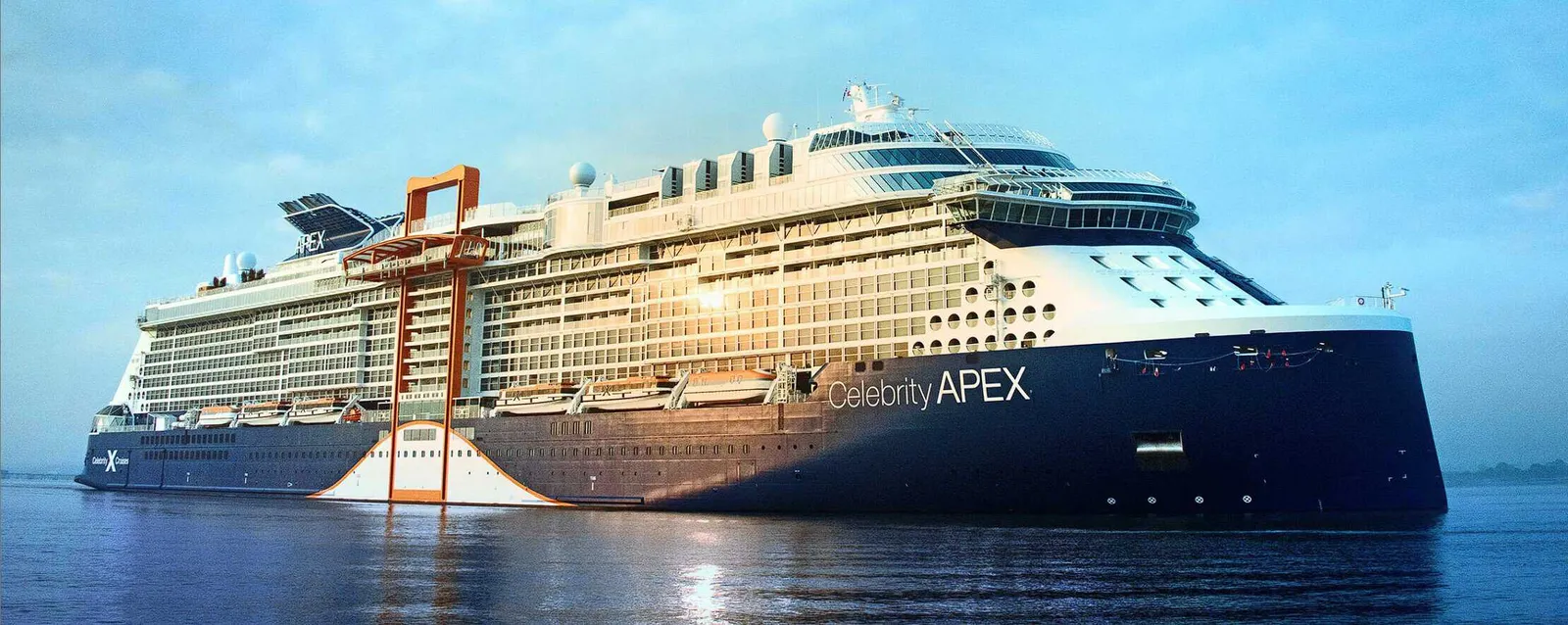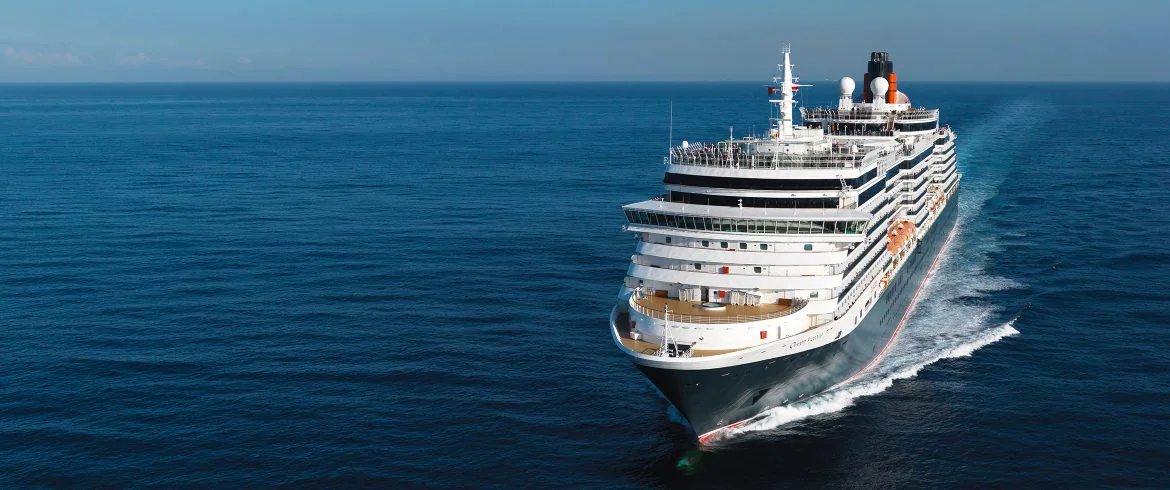
Cunard Line and P&O Cruises are sister companies under Carnival Corporation, both sailing from Southampton and both steeped in British maritime heritage — yet the onboard experiences could hardly be more different. Jake Hower, drawing on 21 years of cruise industry experience, breaks down what Australian travellers need to know before choosing between transatlantic elegance and accessible British holiday cruising.
| Cunard Line | P&O Cruises | |
|---|---|---|
| Category | Luxury | Premium |
| Rating | ★★★★★ | ★★★★☆ |
| Fleet size | 4 ships | 7 ships |
| Ship size | Mid to Large | Large (2,500-4,000) |
| Destinations | Global | Caribbean, Mediterranean, Norwegian Fjords, Canary Islands |
| Dress code | Formal evenings | Smart casual |
| Best for | Tradition lovers | British holiday-makers and families |
Cunard and P&O both deliver a distinctly British cruise experience, but they serve fundamentally different needs. Cunard is the right choice for Australian travellers who value tradition, enrichment, and the ritual of dressing for dinner — particularly those drawn to the transatlantic crossing, world voyage segments through Australian waters, or the Grills ship-within-a-ship experience. P&O is the right choice for Australians planning a UK or European holiday who want to add a relaxed, entertainment-forward cruise from Southampton at a more accessible price point, especially families or those who prefer celebrity chef dining and a livelier social atmosphere. For Australians specifically, Cunard is more accessible thanks to established local distribution, AUD pricing, and ships that continue visiting Australian waters on world voyages. P&O Cruises UK requires flying to Southampton and has no dedicated Australian programme. Both lines reward loyalty separately despite shared Carnival ownership — there is no cross-brand status matching.
The core difference
Cunard and P&O Cruises share more DNA than any other two lines in the cruise industry. They are both owned by Carnival Corporation. They both sail from Southampton. They both trade on British heritage. Queen Victoria and Queen Elizabeth were built on the same Vista-class platform that P&O’s Arcadia shares. The corporate headquarters at Carnival House in Southampton manages both brands. Yet step aboard a Cunard ship and then a P&O ship, and you will feel like you have crossed into a different world.
The difference is not about quality — both lines deliver a good product within their respective categories. The difference is philosophy. Cunard exists to preserve a tradition. It is the only cruise line that operates a genuine ocean liner, Queen Mary 2 — a ship purpose-built with a reinforced hull, 40 per cent more steel than a standard cruise ship, and four stabilisers reducing roll by 90 per cent, all designed for scheduled North Atlantic crossings in heavy weather. The Grills class system, dating back to 1914 aboard RMS Aquitania, creates a tiered shipboard society where your cabin category determines your restaurant, your lounge, and your butler. Gala Evenings bring out dinner jackets and floor-length gowns, and 95 per cent of guests participate willingly. The afternoon tea service in the Queens Room — white-gloved waiters, fine china, Twinings tea, live harp music — is not a nostalgic nod but a daily ritual aboard every Cunard ship. The Cunard Insights programme brought 430 speakers aboard in 2024 alone, delivering over 2,000 lectures on history, science, and culture. This is a line that believes the crossing itself is the destination.
P&O exists to give Britain a holiday. Founded in 1837 — three years before Cunard — P&O carried its first leisure passengers in 1844 and has been the default British cruise line ever since. Where Cunard aspires to grand hotel elegance, P&O aspires to a floating resort. The SkyDome on Iona and Arvia — a retractable glass-roofed entertainment venue hosting aerial performances, immersive shows, and deck parties — is the architectural statement that defines P&O’s ambitions. Celebrity chefs Marco Pierre White and Atul Kochhar headline the dining programme. Gary Barlow personally curated The 710 Club music venue. Arvia hosts “Greatest Days — The Official Take That Musical.” Children play in Aardman-themed programmes while parents unwind poolside. The atmosphere is sociable, energetic, and distinctly casual — even on formal nights, the dress code is recommended rather than enforced.
In my experience advising Australian travellers, the choice between these two lines comes down to a single question: do you want the occasion of the voyage to be the experience itself, or do you want the voyage to be a relaxed holiday that happens to be on a ship? Cunard is the former. P&O is the latter. Neither answer is wrong.
What is actually included
Both lines follow a traditional British cruise pricing model where the base fare covers accommodation, meals, and entertainment, with drinks, speciality dining, and spa treatments at additional cost. But the details differ meaningfully — and one significant inclusion gives P&O a structural pricing advantage.
P&O includes gratuities in the ticket price. This is the single most important inclusion difference. Cunard charges gratuities separately at approximately US$17 per person per night for Britannia class and US$19 per person per night for Grills suites, plus a 15 per cent service charge on all bar and salon purchases. On a 14-night cruise for two, that adds approximately US$476 to $532 to the total cost before you have ordered a drink. P&O rolls this into the fare — what you pay is what you pay, and there is no envelope of tipping anxiety at the end.
Cunard’s base fare includes accommodation in your assigned stateroom category; breakfast, lunch, and dinner in your designated restaurant (Britannia, Britannia Club, Princess Grill, or Queens Grill depending on cabin); daily afternoon tea with white-glove service in the Queens Room; Golden Lion pub food (most items); buffet dining; tea, coffee, water, and juice in buffet restaurants; all entertainment, enrichment lectures, and live music; pools, gym, and sports courts; children’s club access; room service breakfast from 7 to 10am for all categories; and a half bottle of sparkling wine, bathrobes, and slippers for every guest.
Cunard does not include gratuities; alcoholic and premium soft drinks; drinks packages (approximately US$49.50 to $85.50 per person per day depending on voyage length); speciality dining (US$18.50 to $65 per person); Wi-Fi (US$18 to $24 per day); spa treatments and thermal suite access ($49 to $59 per two-hour session); shore excursions; and room service outside breakfast hours for Britannia guests (a controversial change introduced in June 2025). Grills and Britannia Club guests retain complimentary 24-hour room service.
P&O’s base fare includes all main meals in the dining room and buffet; afternoon tea; entertainment and theatre shows; The Reef kids’ clubs on family ships; self-service laundrettes with free washing machines, dryers, and irons; gratuities; shuttle buses at P&O ports (Select Price fare only); and flights and transfers on fly-cruise packages.
P&O does not include alcoholic and soft drinks; speciality dining (typically GBP 15 to 35 per person); Wi-Fi; spa treatments and thermal suite access (GBP 39 per day); The Retreat adult wellness area (GBP 40 per day); room service beyond continental breakfast; and shore excursions.
P&O has recently introduced all-inclusive packages launched in December 2025, available from March 2026. The Classic Package at GBP 49 per person per day bundles a Classic Drinks Package, essential Wi-Fi, and up to GBP 55 in speciality dining credit. The Deluxe Package at GBP 59 per person per day upgrades to the Deluxe Drinks Package, unlimited Wi-Fi including streaming, and up to GBP 80 in dining credit. These represent approximately 32 to 34 per cent savings over purchasing each element separately and mark a significant strategic shift toward all-inclusive pricing.
Cunard is also introducing Signature Packages from March 2026 for UK guests, bundling drinks, Wi-Fi, and dining. For Grills suite guests, current promotions include complimentary drinks packages and included service charges on voyages of five nights or more — effectively making the Grills experience closer to all-inclusive.
The net effect: P&O’s base fare is cheaper and includes gratuities. Cunard’s base fare is higher but includes more luxury touches even at entry level. Both lines are moving toward bundled packages that blur the traditional lines between base fare and extras.
Dining and culinary experience
Dining is where the different philosophies of these two sister companies become most apparent. Cunard builds its dining around a class system. P&O builds its dining around celebrity chefs.
Cunard’s dining hierarchy ties directly to your cabin category. Book a Britannia stateroom and you dine in the Britannia Restaurant — the main dining room with white-gloved waiters, double-height ceilings, linen-dressed tables, and a genuine sense of occasion. Choose fixed early or late sittings, or open dining where available. The food quality is consistently praised — even the Lido buffet draws favourable comments from experienced cruisers. Book a Britannia Club balcony and you unlock the dedicated Britannia Club Restaurant — more intimate, flexible dining times, enhanced menu, and your own reserved table throughout the voyage. Princess Grill suites bring access to the exclusive Princess Grill with a la carte service and dedicated afternoon tea at 3pm. And Queens Grill — the pinnacle — offers bespoke menus where guests have been known to enjoy lobster thermidor daily or chateaubriand for breakfast, with a reserved table and tableside theatre throughout.
Beyond the included restaurants, Cunard offers speciality dining at surcharge. On Queen Mary 2, Queen Victoria, and Queen Elizabeth, the Steakhouse at The Verandah serves premium steaks and seafood at approximately US$58.50 per person for dinner (pre-booked) or US$65 onboard. Queen Anne, the newest ship, significantly expanded the speciality options: Sir Samuel’s steakhouse and grill with aft-facing ocean views; Aranya, a contemporary Indian restaurant developed by Chef Jolly meaning “forest” in Hindi; Aji Wa, a Japanese restaurant with sushi bar and seven-course omakase tasting menu at US$62; and Tramonto, the most affordable option at US$18.50 to $20 for Mediterranean-inspired cuisine. Queen Anne has 15 restaurants — the most of any Cunard ship. Michel Roux, holding two Michelin stars, has designed the Golden Lion pub menu and the Gala Evening menus introduced to Queen Elizabeth following her 2025 refit.
P&O leans heavily into celebrity chef branding. Marco Pierre White has a 20-plus year partnership with P&O, designing five-course Celebration Night menus for all ships and creating the White’s Restaurant and Ocean Grill concepts. Atul Kochhar — the first Indian-born British chef to achieve a Michelin star — created the Sindhu restaurants (Indian-British fusion) found across six ships and the East pan-Asian restaurant on Iona and Arvia. Olly Smith curates The Glass House wine bar and the fleet’s wine lists. Eric Lanlard, the celebrated patissier, co-designs The Chef’s Table experience with Marco Pierre White. “Food Hero” sailings bring these chefs aboard in person for masterclasses, book signings, and curated dining events — a genuinely unique offering.
P&O’s main dining rooms welcome all guests regardless of cabin type — there is no class-based hierarchy. Freedom Dining allows flexible arrival times. The speciality restaurants offer impressive variety at generally lower prices than Cunard: Epicurean fine dining at approximately GBP 29 to 35 per person; Sindhu at GBP 20 to 25; The Beach House — one of the most affordable speciality restaurants at sea — at approximately GBP 9.50; The Keel & Cow steakhouse at GBP 25 to 30; and The Olive Grove Mediterranean at GBP 15 to 20. Britannia features The Cookery Club, a fully equipped teaching kitchen where guests can take hands-on classes with visiting chefs.
The key distinction: Cunard’s included food quality is generally rated higher, even at the Britannia level. P&O offers more variety and more celebrity chef personality across its speciality venues. Cunard’s Grills guests enjoy exclusive restaurants included throughout their voyage with no surcharges. P&O suite guests receive only one complimentary speciality breakfast during the entire cruise. If you are booking Grills on Cunard, the dining value proposition is outstanding. If you are booking standard cabins and enjoy exploring different restaurants, P&O’s broader selection and lower cover charges give you more culinary breadth for less outlay.
Suites and accommodation
The accommodation comparison reveals two fundamentally different approaches. Cunard treats your cabin category as a gateway to a distinct onboard experience. P&O treats your cabin as a room to sleep in — what you do outside it is the same for everyone.
Cunard operates a four-tier class system. At the top, Queens Grill suites range from 484 square feet up to the extraordinary 2,249-square-foot Grand Duplexes on Queen Mary 2 — among the most lavish suites at sea, spread across two levels. Queens Grill guests receive dedicated butler service that extends to unpacking luggage, pressing formal wear, serving in-suite dining, and delivering daily canapes. The exclusive Queens Grill restaurant, Grills Lounge, private outdoor terrace with whirlpool, complimentary in-suite mini-bar, personalised stationery, and priority in everything from embarkation to tenders create a genuine ship-within-a-ship. Princess Grill suites at 335 to 513 square feet offer their own exclusive restaurant, Grills Lounge access, and concierge service. Britannia Club balcony cabins at 248 to 470 square feet unlock a dedicated restaurant with flexible dining and 24-hour room service. Standard Britannia staterooms — inside from 152 square feet, balcony from 228 square feet — still include sparkling wine, bathrobes, slippers, and daily fresh fruit on request. Queen Anne allocates 13.7 per cent of her 1,397 staterooms to suites — a generous proportion that reflects Cunard’s investment in the premium tiers.
P&O’s accommodation is more democratic. Suite guests enjoy butler service, priority embarkation, Epicurean restaurant breakfast access, complimentary room service from the main dining menu, champagne and chocolates on arrival, and Nespresso machines — but outside these perks, everyone accesses the same public spaces, the same restaurants, and the same entertainment. P&O’s suite range includes Penthouse Suites on Aurora, Azura, and Ventura up to 937 square feet including balcony; Forward and Aft Suites on Iona and Arvia; and the popular Conservatory Mini-Suites at approximately 274 square feet with bi-folding doors that create an indoor-outdoor living concept. Standard balcony cabins range from 142 to 279 square feet, though the balconies on Iona and Arvia are notably small at approximately 20 square feet — a common passenger complaint.
For families, P&O offers dedicated Family Sea View Suites on Iona and Arvia at approximately 530 square feet sleeping up to four guests, and from July 2026, new five-berth cabins on Iona, Arvia, and Britannia for larger families. Cunard does not offer dedicated family accommodation, though standard cabins can accommodate additional berths.
The practical implication for Australian travellers: if you are considering a premium cabin, Cunard’s Grills experience — with its exclusive restaurants, butler service, and private lounges — delivers a materially different holiday from the same ship’s standard offering. It is one of the few genuine ship-within-a-ship concepts in the industry. P&O suite benefits are pleasant but do not fundamentally change the onboard experience. The suite premium on P&O is lower, but so is the differentiation.
Pricing and value
Cunard and P&O serve different market segments, and the pricing reflects this deliberately. As sister companies under Carnival Corporation, the price gap between them is carefully managed to avoid cannibalisation — Cunard should always feel like the premium step up.
Cunard’s directional pricing puts a 7-night transatlantic crossing on Queen Mary 2 from approximately US$170 per night for a Britannia inside cabin, rising to US$345 per night for a balcony. A 14-night Mediterranean on Queen Victoria starts from approximately US$196 per night for a balcony. Grills suites command significantly higher rates. The full QM2 World Voyage in 2026 started from approximately US$23,159 per person for a Britannia inside — about US$215 per night for a 108-night circumnavigation. Cunard offers two fare types: the Saver Fare at the lowest price with limited flexibility, and the Cunard Fare which adds cabin choice, onboard spending money, priority dining, complimentary shuttle buses, and car parking or coach transfers.
P&O’s directional pricing starts lower. A 7-night Norwegian Fjords cruise from Southampton comes in from approximately GBP 107 per night for an inside cabin or GBP 131 per night for a balcony on Early Saver fares. A 14-night Canary Islands and Iberia itinerary starts from approximately GBP 79 per night. Mediterranean fly-cruises from Malta begin at approximately GBP 121 per night. Arcadia’s 100-night world cruise priced from approximately GBP 108 per night for an inside cabin. P&O offers three fare levels: Saver (lowest, non-refundable, limited choice), Early Saver (mid-range, cabin grade chosen but specific room allocated by P&O), and Select Price (premium, full cabin selection, one free transfer, and choice of onboard spending money, car parking, or coach travel).
The true cost comparison requires factoring in what each line charges separately. P&O’s inclusion of gratuities saves approximately US$119 to $133 per person per week compared to Cunard. P&O’s speciality dining is cheaper (GBP 9.50 to 42 versus US$18.50 to 65). P&O fly-cruise packages include flights from London. But Cunard includes more in the base experience — the afternoon tea ceremony, better room service provisions for higher categories, and those small luxury touches across all cabins.
As a general rule, expect Cunard to cost 20 to 40 per cent more than P&O for a comparable cabin on a similar itinerary. The gap narrows when comparing Cunard’s Britannia class to P&O’s higher-end offerings and widens dramatically at the Grills level. P&O’s adults-only ships Arcadia and Aurora, being smaller and more traditional, offer the closest price-point and atmosphere comparison to Cunard.
For Australian travellers, both lines price primarily in GBP (P&O) or USD (Cunard), with Cunard maintaining a dedicated Australian website with AUD pricing. Currency fluctuations can significantly affect the value equation. At the time of writing, either line represents a fly-cruise proposition for Australians — factor in return flights to London or Southampton at approximately AU$1,800 to $2,800 per person when comparing total holiday cost.
Spa and wellness
Both lines operate quality spa facilities with similar surcharge models, but the brand positioning and specific offerings differ.
Cunard’s Mareel Wellness & Beauty was developed in partnership with Canyon Ranch and has been rolled out across all four ships. Queen Anne, as the newest vessel, offers the most comprehensive facilities: a wellness suite with sea-view massage beds, infrared sauna with sea views, Himalayan salt sauna, steam room, dry sauna, cold room, and a private couples suite with steam room and soaker bath overlooking the ocean. Queen Anne introduced cryo-body therapy and biotech facials — fleet firsts for Cunard. The Pavilion Wellness Studio offers yoga and meditation with ocean views, and the Harper’s Bazaar Wellness at Sea programme (launched January 2024) provides curated wellness packages combining spa treatments, nutritional menus, and ELEMIS products.
The thermal suite on Cunard — branded as the Aqua Therapy Centre — includes a hydrotherapy pool, saunas, steam rooms, ice room, foot spas, and experience showers. Access is sold per session: $49 for two hours on Queen Victoria and Queen Elizabeth, $59 on Queen Mary 2 and Queen Anne, or approximately $179 for a weekly pass. Treatment pricing is at the premium end: a Mareel Massage runs US$179 to $209 for 50 to 100 minutes.
P&O’s Oasis Spa operates across all seven ships, with the largest facilities on Iona and Arvia. The Thermal Suite features heated loungers, sauna, sensory steam room with salt brine solution, experiential showers, and a hydrotherapy pool — accessed via day pass at GBP 39 or weekly pass at GBP 129. Unique to P&O’s Excel-class ships is The Retreat, an adult-only outdoor wellness area on Deck 18 with two infinity whirlpools overlooking the ocean, private cabanas, daybeds, hammocks, and complimentary smoothies and fruit platters — accessed at GBP 40 per day or GBP 145 for a seven-night pass.
P&O’s treatment pricing sits slightly below Cunard’s: a Swedish massage ranges from GBP 89 to 189, and ELEMIS facials from GBP 99. The gym and basic fitness classes are complimentary on both lines, though P&O charges for yoga, Pilates, and spin classes (GBP 14 to 15 per session or GBP 29 for a three-class pass).
The practical difference: Cunard’s spa offering is more luxurious, particularly on Queen Anne with its unique cryo-therapy and sea-view facilities. P&O’s The Retreat outdoor wellness area on Iona and Arvia has no Cunard equivalent and offers a genuinely appealing open-air relaxation experience. Neither line includes thermal suite access in the base fare. For spa-motivated travellers, the choice between the two is less about quality and more about ship — Queen Anne offers Cunard’s best spa experience, while Iona and Arvia offer P&O’s finest facilities.
Entertainment and enrichment
This is where the sibling rivalry becomes most pronounced. Cunard and P&O take fundamentally different approaches to what you do between ports, and the distinction speaks directly to the kind of traveller each line attracts.
Cunard prioritises enrichment — the life of the mind. The Cunard Insights programme is the flagship: in 2024, 430 speakers delivered over 2,000 exclusive talks across the fleet, covering history, science, current affairs, exploration, and culture. These are not brief port lectures but substantive presentations from historians, diplomats, politicians, scientists, authors, and filmmakers, typically scheduled twice daily. The partnership with the Royal Academy of Dramatic Art (RADA) is unique in the cruise industry — abbreviated theatrical productions and acting workshops bring London’s West End tradition aboard. Queen Mary 2 houses the only planetarium at sea, located in the Illuminations theatre, with daily shows such as “Cosmic Collisions” and “Stars Over the Atlantic.” The British Film Institute runs a Film Festival at Sea programme. The Times and Sunday Times sponsor literary sailings. Libraries aboard Cunard ships are significant — Queen Mary 2 houses the largest library afloat.
But the centrepiece of Cunard’s evening experience is the Queens Room — the largest ballroom at sea, with double-height ceilings, sparkling chandeliers, and a full dance floor. Professional competition-standard dance instructors lead classes on sea days; ballroom and Latin styles. On longer voyages and transatlantic crossings, gentleman dance hosts partner solo travellers for evening sessions. The live orchestra swells to eight pieces on Gala Evenings. The Royal Court Theatre hosts West End-style production shows, and multiple lounges feature live bands, jazz, and piano. Queen Anne’s Bright Lights Society offers an intimate jazz club atmosphere.
P&O prioritises entertainment — the social occasion. The SkyDome on Iona and Arvia is the standout venue — a glass-roofed entertainment space hosting aerial performances by Creativiva, immersive shows, deck parties, and circus-style acts. Arvia’s version features a retractable roof for open-air cinema and late-night DJ sets under the stars. The Headliners Theatre on all ships presents West End-style productions — including “Greatest Days — The Official Take That Musical” exclusively on Arvia, adapted from an Olivier Award-winning script. Reviewers have noted that P&O’s production shows are often more polished than Cunard’s. Gary Barlow serves as Music Director of The 710 Club on Arvia and Iona — a sophisticated adults-only music venue curated to his creative vision. Iona features a four-screen cinema.
P&O’s daytime programming is dense — activities every 15 to 30 minutes including game shows, trivia, craft classes, sports, cooking demonstrations, and art workshops. Britannia houses The Cookery Club, a fully equipped teaching kitchen hosting classes with visiting celebrity chefs. For families, the partnership with Aardman (Wallace and Gromit, Shaun the Sheep) provides themed activities, while Arvia’s Altitude Skywalk sets a high-ropes experience 54 metres above the ocean.
The distinction is genuine and polarising. Cunard is cerebral and refined — string quartets, lectures, ballroom dancing, and library time. P&O is social and energetic — West End musicals, SkyDome spectacles, celebrity music venues, and adventure activities. I find that clients who are drawn to Cunard tend to value unstructured time — reading on deck, attending a lecture, watching the ocean. Those drawn to P&O want a packed programme with something happening at every turn. Both approaches are valid; they simply serve different temperaments.
Fleet and destination coverage
The fleet comparison illustrates how the same parent company can deploy very different strategies with different brands.
Cunard operates four ships with a combined capacity of approximately 9,864 passengers. Queen Mary 2 (148,528 GT, 2,695 guests) is the flagship — the world’s only ocean liner, purpose-built for transatlantic crossings with a service speed of 26 knots and a top speed of 30 knots. Queen Anne (113,000 GT, 2,996 guests) entered service in May 2024 as the 249th ship in Cunard’s history and the first new Cunarder in 14 years. Her Pinnacle-class platform shares DNA with Holland America Line’s Koningsdam. Queen Victoria (90,049 GT, 2,081 guests, 2007) and Queen Elizabeth (90,400 GT, 2,092 guests, 2010) are near-sisters on the Vista-class platform. All four ships carry the “Queen” name in the tradition of Cunard’s most storied vessels.
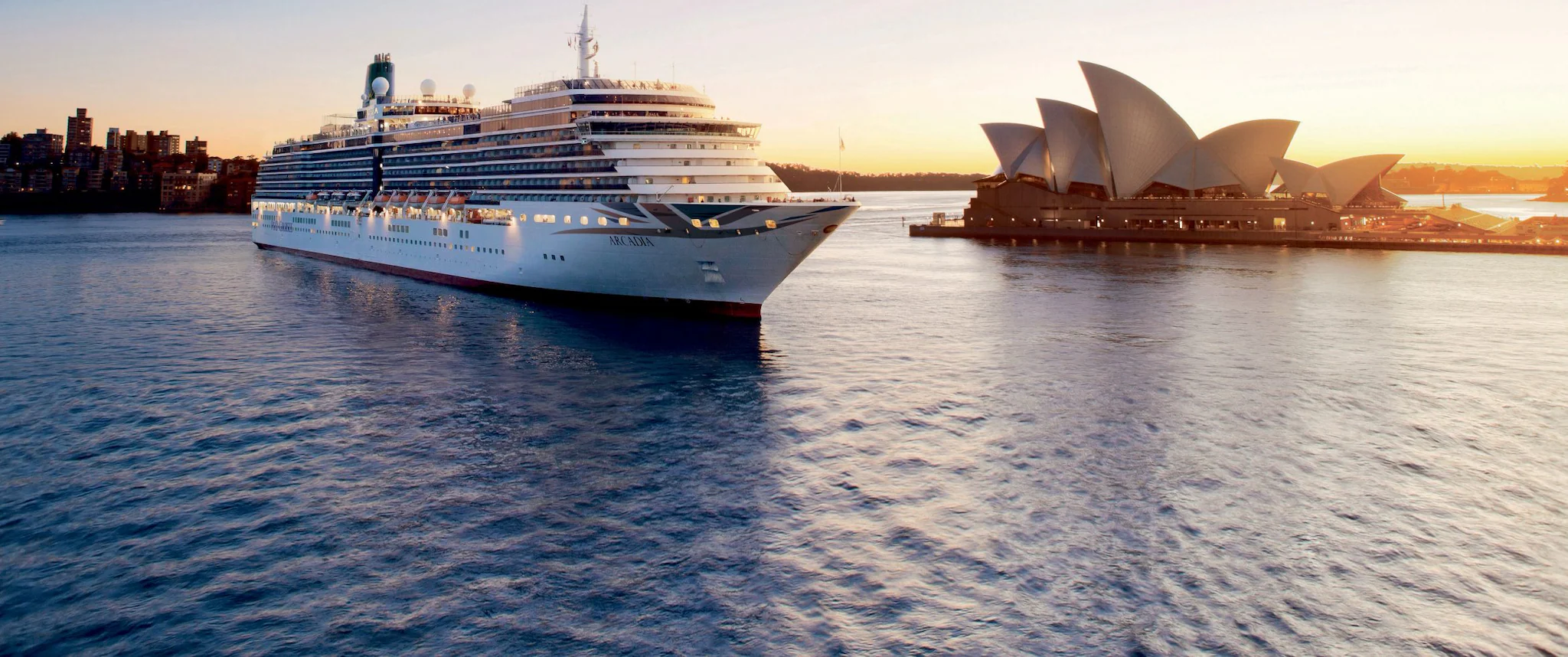
P&O operates seven ships with a combined capacity of approximately 24,193 passengers — nearly 2.5 times Cunard’s. The Excel-class flagships Arvia (184,700 GT, 5,200 guests, 2022) and Iona (184,000 GT, 5,200 guests, 2020) are the largest ships ever built for the UK market, powered by liquefied natural gas. Britannia (143,000 GT, 3,647 guests, 2015) is the mid-fleet workhorse. Ventura and Azura (approximately 116,000 GT each, 3,000-plus guests) serve as versatile mid-size options. Arcadia and Aurora — the fleet’s adults-only ships at 83,800 GT and 76,000 GT respectively — attract a quieter, more traditional demographic that most closely resembles Cunard’s passenger profile.
The destination overlap is substantial — both lines cover the Mediterranean, Norwegian Fjords, Canary Islands, Caribbean, and world voyages, all primarily from Southampton. But each has unique strengths.
Cunard’s trump card is the transatlantic crossing. Queen Mary 2’s scheduled Southampton-to-New York service (typically seven nights) is the only such route operating anywhere in the world. No other line offers this. It is the quintessential Cunard voyage and an experience without parallel. Beyond the crossing, Cunard offers world voyages of extraordinary ambition — in 2026, the line ran two simultaneous world voyages for the first time, with Queen Mary 2 transiting the Panama Canal for the first time in her history. Queen Victoria is the primary Mediterranean ship, while Queen Elizabeth has been redeployed to year-round North American operations from Seattle (Alaska) and Miami (Caribbean).
P&O’s strength is breadth and accessibility from Southampton. Seven ships provide significantly more departure dates and itinerary variety than Cunard’s four. Norwegian Fjords cruises are a flagship programme — Iona was specifically designed for fjord cruising. The Caribbean fly-cruise programme from Barbados, with air-inclusive packages via TUI Airways, Virgin Atlantic, and Norse Atlantic, is a strong winter product. Short breaks of three to five nights offer a taster experience that Cunard does not match. P&O’s world cruises — Arcadia’s 100-night circumnavigation and Aurora’s 75-night grand voyages — carry their own loyal following.
For Australian travellers, Cunard has the edge in direct relevance. World voyage segments pass through Australian waters annually, and shorter sectors are bookable from Sydney, Singapore, and Hong Kong. P&O Cruises UK has no regular Australian presence, though Arcadia’s world cruise has included Australian port calls.
Where each line excels
Cunard excels in:
- The transatlantic crossing. The only scheduled ocean liner service in the world. Queen Mary 2’s Southampton-to-New York voyage is a bucket-list experience with no competition from any line, including P&O.
- The Grills ship-within-a-ship. Butler service, exclusive restaurants, private outdoor decks, and dedicated concierge create a genuinely tiered luxury experience. The Queens Grill Grand Duplexes on QM2 at 2,249 square feet are among the most lavish suites at sea.
- Enrichment programming. Over 2,000 guest speaker talks annually, RADA acting workshops, the only planetarium at sea, and partnerships with the British Film Institute and the Royal Astronomical Society.
- Afternoon tea. Cunard’s daily white-glove service in the Queens Room — finger sandwiches, warm scones with clotted cream, fine china, live harp music — is widely considered the best afternoon tea at sea.
- Formal evening atmosphere. For travellers who love dressing for dinner, the Gala Evening tradition with live orchestras and ballroom dancing is unmatched. The dress code is part of the experience, not an imposition.
- World voyages. Ambitious 100-plus night circumnavigations with overnights in major cities across five continents, and bookable segments from as few as five nights.
P&O excels in:
- Value for money from Southampton. Lower base fares, included gratuities, and more frequent departure dates make P&O the more accessible entry point for British-heritage cruising.
- Celebrity chef dining. Marco Pierre White, Atul Kochhar, Olly Smith, and Food Hero sailings with live chef appearances create a culinary programme with genuine personality and variety.
- Family cruising. The Reef kids’ clubs, Aardman partnerships, Altitude adventure zone, Splash Valley, and dedicated family cabins make P&O the clear choice for families among British-heritage lines.
- SkyDome entertainment. The retractable glass-roof venue on Iona and Arvia — hosting aerial shows, open-air cinema, and deck parties — has no equivalent on Cunard or most other cruise lines.
- Adults-only ships. Arcadia and Aurora offer a quieter, more traditional cruise at a lower price than Cunard — the closest experience to Cunard’s atmosphere within the P&O fleet.
- All-inclusive flexibility. The new Classic and Deluxe packages from March 2026 allow guests to bundle drinks, Wi-Fi, and dining credit at meaningful savings — a modern approach to pricing that Cunard is only beginning to match.
- Norwegian Fjords expertise. Multiple ships, frequent departures, and Iona designed specifically for fjord cruising make this P&O’s signature seasonal programme.
Standout itineraries for Australian travellers
Cunard
QM2 Transatlantic Crossing — 7 nights, Southampton to New York. The voyage that defines Cunard and defines ocean travel itself. Multiple departures year-round. For Australians touring Europe and North America, the crossing provides a spectacular bridge between continents — fly into London, cruise to New York, continue your American journey. No other line offers this as a scheduled service.
QM2 World Voyage Segment — Sydney to Southampton. When Queen Mary 2 calls at Sydney during her annual world voyage, Australians can book a segment from Sydney through Asia and Africa to Southampton. The 2026 world voyage included overnights in Sydney, Hong Kong, Singapore, and Cape Town across 108 nights. Segments from five nights are available, making this accessible for travellers who cannot commit to a full circumnavigation.
Queen Anne World Voyage Segment — Australian Ports. Queen Anne made her Australian debut in February 2025, calling at Sydney, Brisbane, Airlie Beach, Yorkeys Knob, and Darwin. Future world voyages are expected to include Australian waters. For those wanting to experience Cunard’s newest ship, a world voyage segment offers the opportunity without flying to Southampton.
Queen Elizabeth Alaska from Seattle — 7 to 12 nights, May to September 2026. Fifteen roundtrip sailings from Seattle through Ketchikan, Glacier Bay, Juneau, Sitka, and Tracy Arm Fjord. Extended options combine Alaska with Caribbean and Panama Canal for up to 42 nights. Accessible from Australia via direct flights to Seattle, and described as among the “last opportunities” on Queen Elizabeth for this itinerary.
Queen Victoria Mediterranean — 14 nights from Southampton. Queen Victoria visits 73 unique Mediterranean destinations with overnights in ports including Istanbul, Funchal, and Amsterdam. For Australians spending time in England, a roundtrip Southampton Mediterranean sailing is easily integrated into a UK holiday. Balcony staterooms from approximately US$196 per night at the time of writing.
P&O Cruises
Iona 7-Night Norwegian Fjords from Southampton. The quintessential P&O experience — Iona was designed for fjord cruising and the SkyDome under Norwegian skies is spectacular. Multiple summer 2026 departures including school holiday dates. From approximately GBP 849 per person. For Australians visiting England in summer, this is an easy add-on to a UK trip.
Arvia 14-Night Caribbean Fly-Cruise from Barbados. P&O’s tropical flagship deployment includes St Lucia, Grenada, Martinique, St Kitts, St Maarten, and Tortola, with air-inclusive packages from the UK via Virgin Atlantic or TUI. Australian travellers would need to arrange their own flights to Barbados, but the itinerary and value represent P&O at its best.
Arcadia 100-Night World Cruise. The adults-only flagship voyage — 28 ports across six continents including an overnight in Sydney. For Australian travellers, this offers the possibility of joining or leaving Arcadia in Sydney, experiencing an extended P&O world cruise segment without flying to Southampton. Arcadia’s intimate adults-only atmosphere is the closest P&O comes to Cunard’s style.
Aurora 75-Night Grand Voyage from Southampton. Aurora, the fleet’s oldest and most classic-feeling vessel, offers an intimate world cruise for adults-only travellers. At 1,874 guests, Aurora delivers a more personal experience than the mega-ships. A strong option for experienced cruisers who value tradition over innovation.
Britannia 14-Night Canary Islands and Iberia from Southampton. The autumn-escape staple: Madeira, Tenerife, Gran Canaria, Lanzarote, and Lisbon with The Cookery Club and Marco Pierre White menus. For Australians visiting England in autumn, this warm-weather itinerary offers excellent value.
Ship-by-ship recommendations
Cunard
For your first Cunard sailing: Queen Anne. As the newest ship (May 2024), she offers the most dining variety with 15 restaurants, the most comprehensive spa with cryo-therapy and sea-view saunas, and 162 Britannia Club staterooms — a 200 per cent increase over the rest of the fleet. She represents Cunard’s modern expression while maintaining the traditional atmosphere. Currently deployed to Northern Europe and the Mediterranean.
For the bucket-list experience: Queen Mary 2. There is nothing else like her. The only ocean liner in service, the only planetarium at sea, the only ship with kennels, and the only scheduled transatlantic service. The Illuminations theatre, the double-height Britannia Restaurant, and the sheer engineering of a vessel built to cross the North Atlantic in any weather make QM2 an experience that transcends cruising. Choose the transatlantic crossing or a world voyage segment.
For traditional Cunard elegance: Queen Victoria. The most classically styled of the four ships, with an Art Deco-influenced interior that was refreshed in 2024. Primarily deployed to the Mediterranean, Canary Islands, and Norwegian coast. Queen Victoria is where Cunard’s heritage feels most tangible.
For the best all-round value: Queen Elizabeth. Following her comprehensive 2025 refit — refreshed Queens Room, new Pavilion Wellness Cafe, updated Grills suites, and Michel Roux Gala Evening menus — Queen Elizabeth represents a significantly updated product. Now deployed year-round from North America, she is accessible via Seattle for Alaska or Miami for Caribbean sailings.
A note on Queen Anne in rough weather: Some early reviewers flagged motion and stability issues on Queen Anne in choppy seas, particularly in aft cabins. If you are prone to seasickness, request a mid-ship, lower-deck cabin, or consider QM2 whose ocean-liner engineering provides exceptional stability.
P&O Cruises
For your first P&O sailing: Iona. The SkyDome, the breadth of dining options, and the Norwegian Fjords itinerary make Iona the best introduction to P&O. Recently refurbished in October 2025. The ship was designed specifically for the fjords, and that purpose shows.
For families: Arvia. The newest ship in the fleet (2022) with the Altitude Skywalk adventure experience, SkyDome, and the broadest entertainment programme. Splash Valley aqua zone and extensive Reef kids’ club facilities make this P&O’s best family ship. Currently deployed to Caribbean fly-cruises in winter and Mediterranean in summer.
For couples seeking quiet: Arcadia. The adults-only designation (on most sailings through to late 2026), smaller size at 2,094 guests, and more traditional atmosphere make Arcadia the P&O ship most likely to appeal to travellers considering Cunard. The Ocean Grill by Marco Pierre White is a highlight. World cruise segments offer excellent value.
For the most traditional P&O experience: Aurora. The oldest ship in the fleet (2000) but beloved by loyal guests for her classic proportions, intimate size at 1,874 guests, and adults-only atmosphere. If you value character over modernity, Aurora delivers warmth that the mega-ships cannot replicate.
A word on Iona and Arvia cabin size: Balcony cabins on the Excel-class ships are on the smaller side compared to the older fleet, with balconies of approximately 20 square feet. If outdoor space matters, consider upgrading to a Conservatory Mini-Suite with bi-folding doors, or choose one of the mid-size ships where standard balconies are more generous.
For Australian travellers specifically
This section requires careful context, because the P&O name carries very different associations in Australia than it does in the United Kingdom.
P&O Cruises Australia was a separate brand. It ceased operations in March 2025 after Carnival Corporation announced its closure in May 2024. Pacific Adventure and Pacific Encounter were absorbed into Carnival Cruise Line (now sailing as Carnival Adventure and Carnival Encounter from Sydney). Pacific Explorer was sold to Resorts World Cruises and renamed Star Voyager, now sailing Southeast Asia from Singapore. P&O Cruises Australia operated different ships, different routes, and a different onboard product from P&O Cruises UK. Australians who fondly remember P&O Australia should not expect the same experience from P&O UK — the ships are larger, the passenger base is almost exclusively British, the atmosphere is more formal, and the itineraries are centred on Southampton.
Cunard is significantly more accessible for Australian travellers. Cunard maintains a dedicated Australian website (cunard.com/en-au) with AUD pricing, and major Australian cruise retailers regularly feature Cunard sailings. Queen Elizabeth homeported seasonally in Sydney for years, and though that programme ended with her final Australian season in February 2025, Cunard ships continue visiting Australia on world voyages. Queen Mary 2’s 2026 world voyage included a Sydney overnight. Queen Anne made her Australian debut in February 2025 with calls at Sydney, Brisbane, Airlie Beach, Yorkeys Knob, and Darwin. World voyage segments from Sydney are bookable for Australians who want a Cunard experience without flying to Europe. Cunard has affirmed that “world voyages are key and will always include Australia.”
P&O Cruises UK has limited Australian infrastructure. There is no dedicated Australian sales operation, no AUD pricing equivalent, and no ships deployed in Australian waters outside occasional world cruise port calls. For Australians wanting to sail P&O UK, the practical approach is to fly to Southampton and join a cruise from there, or book a fly-cruise package — though flights on these packages typically originate from London, not Australian cities. Some Australian online travel agents list P&O UK sailings, but the booking process is less straightforward than Cunard.
Loyalty programmes offer no cross-brand benefit. Cunard’s World Club and P&O’s Peninsular Club are entirely separate despite shared Carnival Corporation ownership. Neither programme matches status to the other, and Carnival Corp has confirmed it has no plans to create cross-brand loyalty matching. This stands in contrast to Royal Caribbean Group, which matches loyalty across Royal Caribbean, Celebrity, and Silversea. For Australians building cruise loyalty, this means committing to one line or the other — there is no benefit to splitting your sailing history between Cunard and P&O.
The QM2 transatlantic crossing as a travel hack. For Australians planning a trip that spans both Europe and North America, Queen Mary 2’s Southampton-to-New-York crossing offers a unique alternative to a transatlantic flight. Fly to London, spend time in England, board QM2 for a seven-night crossing, arrive in Manhattan. It is not faster or cheaper than flying, but it is an experience that has no equivalent — and for Australians who already face 24-hour flights to reach the Northern Hemisphere, adding seven days of ocean travel feels proportionally modest.
The onboard atmosphere
The atmosphere difference between Cunard and P&O is the factor that will ultimately determine which line you rebook with — and it is felt within minutes of stepping aboard.
Cunard feels like a grand hotel crossing the ocean. The wood panelling, the chandeliers, the murmur of a string quartet, the crisp white gloves at afternoon tea — these are not affectations but the natural expression of a brand that has been doing this for 185 years. The passenger demographic averages approximately 60.5 years, though this varies by voyage length — shorter sailings attract guests in their 30s and 40s, while transatlantic crossings and world voyages skew older. The mix is genuinely international, with British, American, German, and Japanese passengers creating a cosmopolitan atmosphere that P&O does not replicate. The Cunard dress code is the most traditional in the industry. Gala Evenings bring out dinner jackets and floor-length gowns; Smart Attire evenings still require jackets and elegant dresses in restaurants and lounges from 6pm. The code is enforced — staff will politely redirect casually dressed guests to the Lido buffet. This formality is either Cunard’s greatest attraction or its greatest barrier, depending on your perspective. Many passengers self-identify as “Cunarders” — devoted loyalists who view sailing with the line as a social identity, not merely a holiday choice. The atmosphere rewards quiet pleasures: reading in the library, attending a lecture, watching the wake from a Grills terrace, waltzing in the Queens Room after dinner.
P&O feels like a floating British holiday resort. The atmosphere is lively, sociable, and unashamedly fun. The passenger base is almost exclusively British — 95 per cent or more on most sailings — and Australians will find themselves immersed in British holiday culture: fish and chips, pub quizzes, cricket references, Sunday roasts, and full English breakfasts. The demographic is younger and broader than Cunard’s, particularly on Iona and Arvia, which were designed to attract a new generation of cruisers. Families are a significant presence during school holidays, though Arcadia and Aurora provide adults-only alternatives. Celebration Nights (formal evenings) occur once per seven-night cruise, with black tie recommended but not enforced — guests who prefer casual can dine in the buffet. The evening energy peaks later than Cunard’s, with SkyDome performances, late-night DJ sets, and The 710 Club drawing social crowds. Daytime programming is dense, with activities scheduled every 15 to 30 minutes. The service style is warm and friendly rather than formal — crew are approachable, holiday-camp efficient, and generally well-regarded. P&O does not aspire to Cunard’s grandeur; it aspires to being the best holiday you have had all year.
For Australian travellers, the cultural question is relevant. On Cunard, you will be part of an international crowd and the British traditions feel curated and elegant. On P&O, you will be an Australian in an overwhelmingly British environment — charming for an Anglophile, potentially claustrophobic for someone who was hoping for cultural variety. Cunard’s atmosphere translates well across cultures; P&O’s atmosphere is specifically, deliberately, uncompromisingly British.
The bottom line
Cunard and P&O are proof that corporate ownership does not dictate passenger experience. These sister companies share a parent, share a headquarters, share ship platforms, and share a Southampton home port — yet they deliver such different holidays that recommending one to a client who belongs on the other would be a genuine disservice.
Choose Cunard when the voyage itself is the point. Choose it for the transatlantic crossing — the only scheduled ocean liner service left on Earth. Choose it for the Grills ship-within-a-ship, where butler service, exclusive restaurants, and private sun decks create a luxury tier that P&O has no equivalent to. Choose it for enrichment — 430 guest speakers, RADA workshops, the planetarium on QM2, ballroom dancing in the Queens Room. Choose it for the formality that transforms dinner into an occasion and a sea day into a civilised ritual. Choose it if you want an international passenger mix, a smaller ship, and a higher crew-to-guest ratio. And choose it if you are an Australian traveller who wants to experience British maritime heritage without flying to Southampton — Cunard’s world voyage segments through Australian waters make this possible.
Choose P&O when the voyage is a holiday, not a pilgrimage. Choose it for the lower price point with gratuities already included. Choose it for Marco Pierre White and Atul Kochhar in the galley. Choose it for the SkyDome under Norwegian skies and “Greatest Days” on Arvia. Choose it if you are travelling with children, want an adults-only escape on Arcadia, or simply prefer a relaxed dress code and a lively social scene. Choose it for the sheer breadth of seven ships offering more departure dates and itinerary options than Cunard’s four. Choose it if you are already planning time in England and want to add a cruise that departs from and returns to Southampton with minimal logistical complexity.
For the Australian traveller weighing both options from afar, here is the honest summary: Cunard is more accessible, more bookable, and more likely to bring a ship to your waters. P&O UK is a wonderful holiday, but it requires more effort to reach and caters primarily to a British audience. If your heart is set on a British-heritage cruise and you do not want to fly to Southampton, Cunard’s world voyage segments are the practical answer. If you are already planning a UK trip and the idea of a Norwegian Fjords week or a Canary Islands fortnight appeals, P&O will deliver a thoroughly enjoyable — and more affordable — holiday. Both lines carry nearly two centuries of maritime heritage. The question is simply which tradition speaks to you.