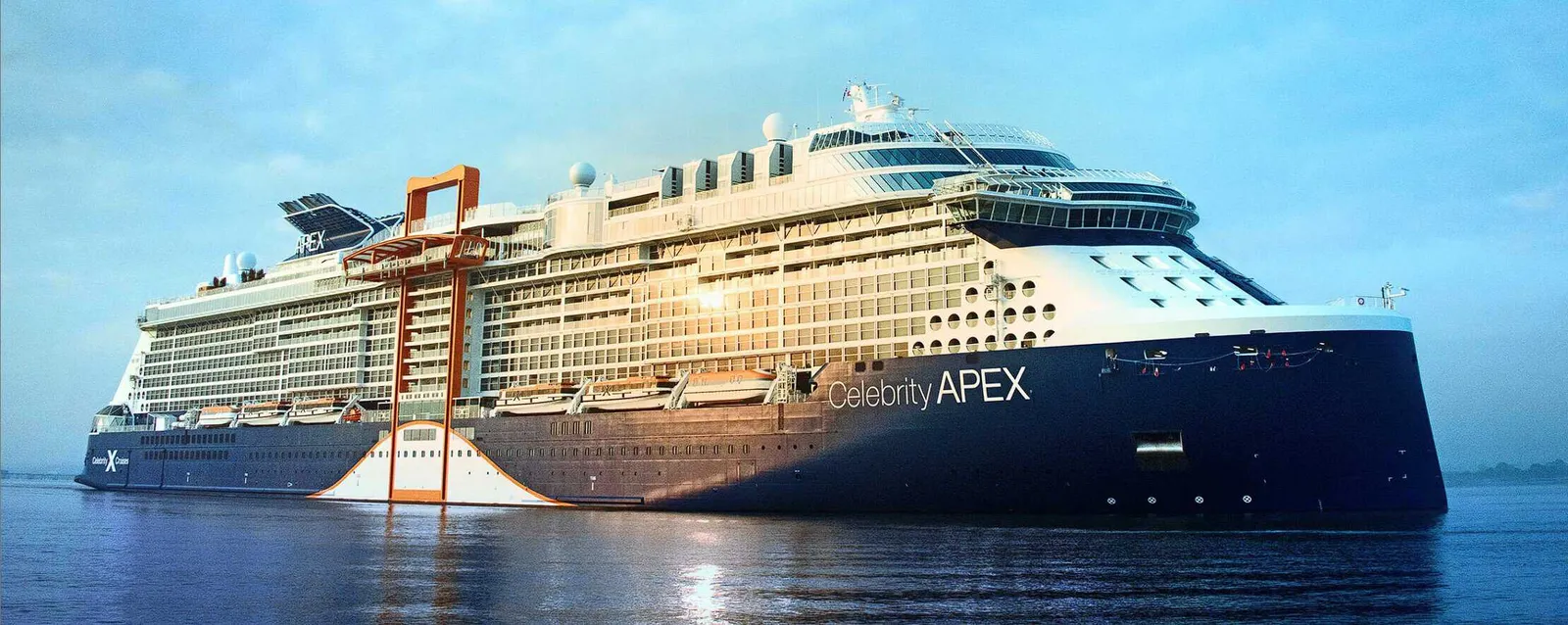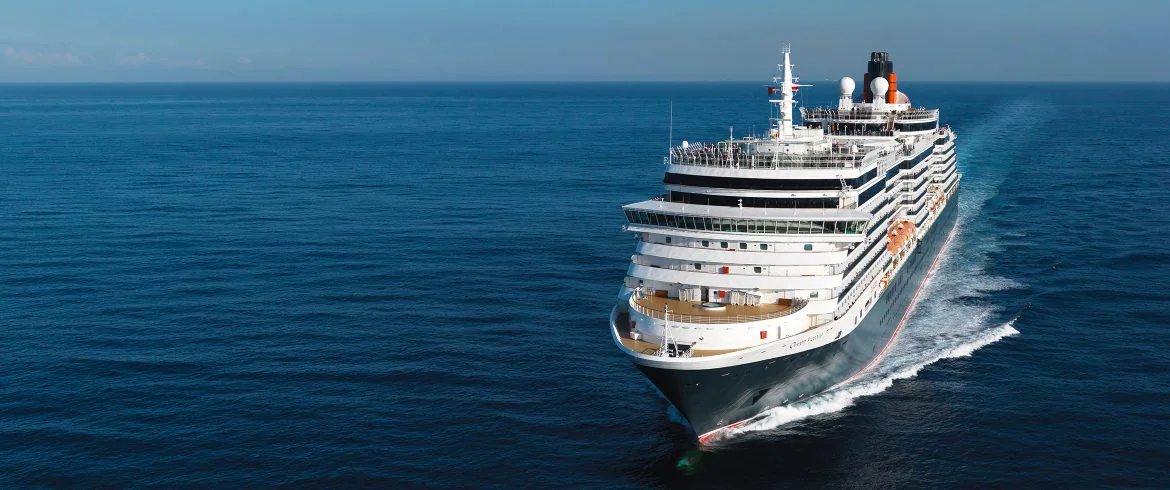
Cunard Line and Princess Cruises are both Carnival Corporation brands, yet one preserves 185 years of ocean liner formality while the other champions tech-forward accessible premium cruising. Jake Hower, drawing on 21 years of cruise advisory experience, unpacks the class system, inclusions, dining, and Australian deployment realities for travellers choosing between heritage elegance and modern convenience.
| Cunard Line | Princess Cruises | |
|---|---|---|
| Category | Luxury | Premium |
| Rating | ★★★★★ | ★★★★☆ |
| Fleet size | 4 ships | 17 ships |
| Ship size | Mid to Large | Large (2,500-4,000) |
| Destinations | Global | Caribbean, Alaska, Mediterranean, South Pacific |
| Dress code | Formal evenings | Smart casual |
| Best for | Tradition lovers | Multi-generational and couples cruisers |
Cunard and Princess serve fundamentally different needs despite sharing a parent company. Cunard is the right choice for travellers who want tradition, intellectual enrichment, and the romance of a genuine ocean liner experience — the transatlantic crossing, Gala Evenings, ballroom dancing, and the Grills ship-within-a-ship concept have no equivalent in Princess's fleet. Princess is the right choice for Australians who want to sail from home with maximum convenience — multiple ships across up to five Australian homeports, MedallionClass technology, bundled Plus and Premier packages, and a relaxed egalitarian atmosphere. For Australians specifically, Princess's growing local commitment (three ships by 2027/28, homeporting in Sydney, Brisbane, Melbourne, Fremantle, and Adelaide) versus Cunard's complete withdrawal from Australian homeporting makes Princess the overwhelmingly more accessible option. Cunard remains bookable via world voyage segments through Sydney or as a fly-cruise to Southampton or New York.
The core difference
Cunard Line and Princess Cruises sit under the same Carnival Corporation umbrella, yet stepping aboard a Queen and stepping aboard a Sun Princess are experiences separated by 185 years of philosophical distance. These two lines share a parent company, occasionally share ports, and both carry Australians to the world’s most desirable destinations — but they have almost nothing else in common.
Cunard exists to preserve a tradition. Founded in 1840 by Sir Samuel Cunard, the line has maintained continuous transatlantic service for over 185 years — the longest-running ocean passenger shipping company in history. Queen Mary 2 is the only purpose-built ocean liner still in active service, carrying the designation RMS (Royal Mail Ship) and designed with a reinforced hull, 40 per cent more steel than a standard cruise ship, and four stabilisers reducing roll by 90 per cent. The Grills class system, where your cabin category determines your restaurant, your lounge, and your butler, is the last genuine class hierarchy at sea. Gala Evenings bring out dinner jackets and floor-length gowns. Afternoon tea is served daily with white-gloved waiters, fine china, and live harp music. The Cunard Insights enrichment programme delivers lectures by historians, diplomats, scientists, and filmmakers. Ballroom dancing in the Queens Room with a live orchestra is the social centrepiece of each evening. This is a line that believes the voyage itself is the destination.
Princess exists to democratise premium cruising. Founded in 1965 by Stanley McDonald with a single chartered ship on the Mexican Riviera, the line rose to global fame through The Love Boat television series in the late 1970s and has spent the decades since building the most technologically advanced premium fleet afloat. MedallionClass, an industry-leading wearable technology platform rolled out across all 17 ships, enables touchless boarding, keyless cabin entry, and location-based food delivery to wherever you are standing on the ship. The new Sphere-class ships — Sun Princess and Star Princess at 175,500 gross tonnes — feature The Dome, a geodesic glass-enclosed entertainment venue, and 29 distinct dining and bar options. Princess operates an egalitarian model: all guests access all public areas, all pools, and all entertainment regardless of cabin category. The atmosphere is warm, sociable, and unpretentious. Formal nights exist but are optional — casual alternatives are always available.
The philosophical divide runs deeper than amenities. Cunard’s class system is a deliberate design choice rooted in ocean liner tradition. When you book a Britannia inside cabin, you dine in the Britannia Restaurant at your assigned seating time and cannot access the Grills Lounge, the Grills Terrace, or the Queens Grill restaurant. When you book a Queens Grill suite, you receive butler service, a dedicated restaurant where virtually any dish can be prepared on request, a private lounge, and a separate sun deck. This creates aspiration and exclusivity — and it creates boundaries. Princess’s approach reflects modern cruise industry norms: your cabin determines your sleeping arrangements, but your experience of the ship is identical whether you booked an interior or a Sky Suite. For Australians, who tend to be culturally egalitarian, this distinction matters.
What is actually included
Cunard follows a traditional a la carte pricing model where the base fare covers accommodation, dining in your assigned restaurant, basic beverages, afternoon tea, entertainment, and enrichment lectures. Specialty dining, alcoholic beverages, Wi-Fi, spa treatments, and shore excursions are all at additional cost for Britannia guests. Gratuities run approximately US$17 per person per night for Britannia and US$19 for Grills suites.
The picture changes meaningfully at the Grills level. Princess Grill and Queens Grill suite fares on voyages of five nights or more now include a complimentary drinks package and hotel and dining service charges. Queens Grill guests also receive butler service, a complimentary in-suite minibar restocked daily with spirits, wine, and unlimited soft drinks, fresh flowers, and personalised stationery. The Grills tier is genuinely all-inclusive in a way that Britannia is not.
Cunard has recently introduced Signature Packages for 2026 bookings — starting from GBP 60 per person per day for the Signature tier (beverage collection, essential Wi-Fi, and dining credit up to $100 per person) and GBP 70 per day for Premium Signature (premium beverages, premium Wi-Fi, and dining credit up to $150). These save up to 30 per cent versus purchasing individually onboard, but are currently available only for UK bookings.
Princess structures inclusions through two bundled packages that apply across all cabin categories.
Princess Plus at US$65 per person per day (US$70 on Sphere-class ships) includes a Plus Beverage Package covering up to 15 drinks per day (cocktails, wine, beer, and spirits up to US$15 each), unlimited specialty coffees and teas, Wi-Fi for one device, four casual dining meals per voyage, room service and OceanNow delivery fees waived, and daily crew appreciation (gratuities) included. A 25 per cent discount on bottled wine and water rounds out the package.
Princess Premier at US$100 per person per day (US$105 on Sphere class) includes a Premier Beverage Package with drinks up to US$20 each, four-device Wi-Fi, unlimited casual and specialty dining, all delivery fees waived, unlimited digital professional photos, reserved seating for production shows, gratuities included, and shore excursion credits of US$100 to $300 depending on voyage length.
The practical difference is transparency. Princess’s packages let you calculate your total daily cost before boarding. A couple in a Princess balcony cabin with Plus know they are paying the cabin fare plus US$130 per day for two — and that covers drinks, Wi-Fi, dining, and tips. A couple in a Cunard Britannia balcony need to estimate their bar bill, decide whether to buy Wi-Fi, factor in specialty dining covers, and add US$34 per night in gratuities. The Cunard bill can be lower if you barely drink and skip the extras, but most travellers find the uncertainty less comfortable than Princess’s upfront bundling.
Dining and culinary experience
Cunard’s dining is structured around the class hierarchy, and this is perhaps where the system delivers its strongest justification.
Britannia guests dine in the grand two-deck Britannia Restaurant at assigned tables with fixed seatings — typically 6:00 PM or 8:30 PM. The menu changes nightly with multi-course options and is reliably good without being exceptional. Britannia Club guests — a mid-tier category — dine in the separate Britannia Club Restaurant with flexible seating times, a reserved table throughout the voyage, and a dedicated wine menu. This is a meaningful upgrade that removes the rigidity of fixed seatings.
Princess Grill guests dine in an intimate, single-seating restaurant with an enhanced a la carte menu and premium ingredients. Queens Grill guests enjoy the most exclusive dining aboard — bespoke menus, a philosophy of “any dish, any time,” and the finest ingredients Cunard can source. On Queen Elizabeth, post-2025 refit, Gala Evening menus are designed by Michelin-starred chef Michel Roux. The Queens Grill experience is described consistently as “impeccable” by reviewers and is one of the finest dining experiences at sea.
Cunard’s specialty dining carries surcharges for Britannia guests. Queen Anne offers the most variety: Sir Samuel’s Steakhouse (US$58.50 to $65 for dinner), Aranya Indian cuisine (US$31.50 to $35), Tramonto Mediterranean (US$18.50 to $20), and Aji Wa Japanese with a seven-course tasting menu at US$62. The older ships offer Steakhouse at The Verandah at US$45 per person for dinner. The Golden Lion gastropub serves Michel Roux-designed pub food — fish and chips, burgers — with most items included in the fare.
Cunard’s signature culinary moment is afternoon tea. Served daily from 3:30 PM in the Queens Room with white-gloved waiters in formal uniforms, fine china, starched linen, silver trays, finger sandwiches, warm scones with clotted cream, and a selection of pastries, accompanied by live harp or piano music. It is widely regarded as the finest afternoon tea at sea and is complimentary for all guests.
Princess takes a different approach — variety and flexibility over hierarchy. The Dine My Way programme lets guests choose between fixed seating, reservable flexible dining, or walk-in dining each evening. No one tells you when or where to eat.
Main dining rooms serve multi-course rotating menus. On Sphere-class ships, the three-storey dining room complex includes the Soleil Dining Room open to all, Eclipse for Dine My Way reservations, and the Sanctuary Restaurant exclusive to Sanctuary Collection guests. Complimentary casual options include Alfredo’s Pizzeria (a fleet favourite for handmade Neapolitan-style pizza), the International Cafe open 24 hours, poolside grills, a gelato station, and on Sphere-class ships, the Americana Diner.
Specialty dining carries surcharges of US$45 to $60 per person on Sphere-class ships and US$39 to $55 on the standard fleet — though these are included with the Princess Premier package. Crown Grill is the signature steakhouse. Sabatini’s serves handmade Italian. Share by Curtis Stone — the Australian celebrity chef partnership — offers contemporary Australian-inspired small plates on Ruby Princess, Emerald Princess, and Sun Princess. The Chef’s Table experience at US$95 to $115 per person delivers a multi-course tasting menu with wine pairing. Sun Princess alone offers 29 dining and bar venues — the most in the fleet.
Princess also offers afternoon tea, though as a surcharge experience: US$10 for the Royal Afternoon Tea, or US$20 with champagne. It is pleasant but not in the same league as Cunard’s daily ritual.
For Australian travellers, Curtis Stone’s involvement gives Princess strong local culinary credentials. Cunard’s Michel Roux partnership and Queens Grill bespoke dining are objectively finer, but they operate at a different price point and within the constraints of the class system.
Suites and accommodation
This is where Cunard’s class system delivers its most compelling argument — and where the two lines diverge most sharply in their approach to premium accommodation.
Cunard’s Grills concept is a genuine ship-within-a-ship. Princess Grill suites (approximately 335 to 513 square feet) provide a reserved table in the exclusive Princess Grill restaurant, access to the Grills Lounge and Grills Terrace, a private Grills Courtyard on Queen Victoria and Queen Elizabeth, dedicated concierge service, priority embarkation and disembarkation, and 24-hour complimentary room service. Queens Grill suites start at approximately 484 square feet for a Queens Suite and extend to the extraordinary 2,249-square-foot Grand Duplex on Queen Mary 2 — a two-level suite with a separate living room, dining area, and personal butler. All Queens Grill guests receive butler service including unpacking, pressing of formal wear, in-suite dining, and daily canapes; a complimentary mini-bar with spirits, wine, and unlimited soft drinks; fresh flowers; and the included drinks package and gratuities.
The Grills creates a protected enclave. You have your own restaurant, your own lounge, your own outdoor space, and your own concierge — yet you can still access every public area of the ship, from the Royal Court Theatre to the casino to the library. It is the best of both worlds: exclusivity when you want it, full ship access when you do not. For travellers who have experienced ship-within-a-ship concepts on other lines, Cunard’s Grills is the original and arguably still the benchmark.
Princess’s accommodation is egalitarian and varied. Interior staterooms start at 150 to 190 square feet. Balcony staterooms on Royal and Sphere-class ships run approximately 222 square feet total. Mini-suites at 299 to 329 square feet add a separate sitting area and larger bathroom. The Reserve Collection (formerly Club Class) provides the best-located mini-suites with a dedicated dining section, priority boarding, and welcome amenities — the closest Princess comes to a tiered experience, though without the physical segregation of Cunard’s Grills.
Full suites on Princess offer penthouse-level accommodation at approximately 800 square feet with dedicated Suite Experience Managers on select ships, priority embarkation, a complimentary mini-bar, and upgraded amenities. The Sky Suites on Royal-class ships are genuinely spectacular — 1,792 square feet total with a 1,000-square-foot wraparound balcony offering 270-degree views, two bedrooms, and the ability to connect two adjacent suites for a four-bedroom, ten-guest configuration. On Sphere-class ships, the Sanctuary Collection elevates the concept further with an exclusive restaurant, adults-only pool deck, and curated amenities.
The Cabana Mini-Suite, exclusive to Sun Princess and Star Princess, introduces a private indoor/outdoor cabana area between the cabin and balcony — a creative new category that adds genuine living space.
The core difference remains philosophical. Cunard’s accommodation hierarchy creates distinct experiences within the same ship. A Queens Grill guest and a Britannia inside guest are on the same vessel but living different voyages. Princess ensures every guest, regardless of cabin, has the same access to entertainment, dining venues, and public spaces. Whether you find Cunard’s approach aspirational or exclusionary depends entirely on your perspective — and your budget.
Pricing and value
Direct comparison between these two lines is complicated by different inclusion models, fleet sizes, and deployment patterns. What follows are directional ranges to help frame the value conversation.
Cunard’s entry-level pricing for a 7-night voyage starts from approximately US$130 to $180 per person per night for a Britannia inside cabin, with gratuities at US$17 per night additional. Drinks, Wi-Fi, and specialty dining are all extra. A Britannia balcony runs approximately US$200 to $345 per night depending on itinerary and season. A 14-night Mediterranean on Queen Victoria in a balcony stateroom starts from approximately US$196 per night.
Princess’s entry-level pricing for a 7-night Mediterranean starts from approximately US$120 to $170 per person per night for an inside cabin, and US$180 to $280 for a balcony. Adding Princess Plus at US$65 per day brings the effective balcony rate to approximately US$245 to $345 per night all-in with drinks, Wi-Fi, and gratuities. Adding Princess Premier at US$100 per day pushes the effective rate to approximately US$280 to $380 per night, but with unlimited specialty dining, four-device Wi-Fi, photos, and shore excursion credits included.
At the premium tier, the comparison shifts. Cunard’s Princess Grill suites start from approximately US$400 to $600 per person per night with drinks, gratuities, and the dedicated Grills dining and lounge experience included. Queens Grill suites range from approximately US$600 to $1,500-plus per night with full butler service and all premium amenities. Princess’s full suites with Premier run approximately US$400 to $700 per night — a lower price point but without the physical exclusivity, butler service, or dedicated dining venue of the Grills.
Sphere-class ships (Sun Princess and Star Princess) carry a premium of approximately 10 to 20 per cent over the older Royal and Grand-class ships for comparable itineraries.
For most Australian travellers comparing these two lines at the balcony level with a drinks package included, the all-in daily cost converges to a similar range. Princess offers better transparency through its bundled packages. Cunard offers better value at the Grills tier for travellers seeking genuine exclusivity. The smartest approach is to compare total cost for your specific sailing, including every extra you plan to use, rather than relying on headline per-diems.
Spa and wellness
Both lines operate quality spa facilities, though with different branding and different inclusion models.
Cunard’s Mareel Wellness and Beauty programme was developed in partnership with Canyon Ranch and has been rolled out across all four ships. Queen Anne, as the newest vessel, offers the most comprehensive facilities: a wellness suite with sea-view massage beds, an infrared sauna with sea views, a Himalayan salt sauna, dry sauna, steam room, cold room, and a private couples suite with steam room and soaker bath. Queen Anne also introduced cryo-body therapy and micro-needling treatments — firsts for the Cunard fleet. The Harper’s Bazaar Wellness at Sea programme, launched in January 2024, offers three wellness packages combining spa treatments, nutritional menus, and ELEMIS products.
Cunard’s thermal suite and aqua therapy centre charges per session — US$49 for two hours on Queen Victoria and Queen Elizabeth, US$59 on Queen Mary 2 and Queen Anne, with weekly passes at approximately US$179. Treatment pricing is typical for a premium line: Mareel Massage from US$179 to $209, Aroma Stone Therapy from US$199 to $299. The gym and swimming pools are complimentary.
The Pavilion Wellness Studio on Queen Anne and, following the 2025 refit, Queen Elizabeth, offers yoga and meditation classes with ocean views, plus the Pavilion Wellness Cafe serving plant-based and sustainable menus.
Princess’s Lotus Spa is operated by OneSpaWorld across all 17 ships. On Sphere-class ships, the spa is triple the size of any previous Lotus Spa, with approximately 25 treatment rooms. The Enclave thermal suite features a hydrotherapy pool, cascading rain shower, heated stone and water beds, aroma infusions, steam rooms, and saunas — on Royal Princess specifically, this includes a Hammam, Caldarium, and Laconium. The Enclave is a surcharge facility with day passes available.
Princess’s unique wellness offering is The Sanctuary — an adults-only premium relaxation area on the open deck with plush lounge furniture, cabanas, and dedicated Serenity Stewards, priced at US$20 for a half day or US$40 for a full day. On Sphere-class ships, the Sanctuary Collection is an entire accommodation category, not just a deck area — guests receive an exclusive restaurant, private pool deck, and curated amenities.
Neither line includes thermal suite access in the base fare, placing them in similar territory. Cunard’s wellness programming is more curated and holistic, with the Harper’s Bazaar partnership and Pavilion Wellness Cafe adding distinctive touches. Princess offers more variety in facilities across its larger fleet. Both charge comparable rates for treatments.
Entertainment and enrichment
This is where the two lines’ philosophies diverge most dramatically — and where personal preference will drive the decision more than any objective quality comparison.
Cunard’s entertainment is cerebral, cultural, and rooted in tradition. The Cunard Insights programme is the headline offering — a complimentary enrichment lecture series featuring prominent historians, explorers, diplomats, politicians, scientists, authors, and filmmakers, with a dedicated speaker schedule published for every voyage. The partnership with the Royal Academy of Dramatic Art (RADA) brings short theatrical productions and acting workshops to selected voyages — a programme unique to Cunard in the cruise industry. Ballroom dancing is central to the Cunard experience: the Queens Room features a proper sprung dance floor, dance hosts are available on Queen Anne and Queen Elizabeth, and professional instructors lead classes in waltz, foxtrot, quickstep, tango, and cha-cha. On Gala Evenings, a live eight-piece orchestra fills the Queens Room while guests dance under chandeliers. The Royal Court Theatre hosts West End-calibre production shows and classical concerts. Queen Mary 2 features the only planetarium at sea, housed in the Illuminations auditorium. The libraries aboard each ship are well-stocked and well-used — Queen Mary 2 carries over 8,000 volumes.
What Cunard does not have: waterslides, outdoor movie screens, rock climbing walls, go-karts, large-scale circus or acrobatic shows, or any resort-style adventure features. The entertainment is deliberately unhurried.
Princess’s entertainment blends tradition with modern spectacle. The Princess Arena on Sun Princess and Star Princess is a revolutionary flexible theatre seating up to 980 guests in three configurations — in-the-round, 270-degree keyhole, and traditional proscenium — hosting immersive productions created in collaboration with Cirque Eloize. The Dome, a geodesic glass-enclosed venue above the bridge on Sphere-class ships, transforms from a daytime pool lounge to an evening entertainment venue with acrobatic performances, immersive light shows, live DJ sets, and themed parties. Movies Under the Stars — the iconic outdoor cinema with a 300-square-foot LED screen, 69,000-watt sound, complimentary popcorn, and blankets — is available fleet-wide and remains one of the most beloved features in the cruise industry.
Princess also offers enrichment through the ScholarShip@Sea programme with guest lecturers, cooking demonstrations, wine tastings, and photography workshops. The Discovery at Sea partnership with Discovery Communications delivers stargazing programmes, Shark Week events, and destination-focused content. Princess Live hosts comedy, music, and interactive game shows. Multiple bars and lounges feature nightly live entertainment, and the Piazza atrium comes alive with live music and social events.
The divide is genuine. Cunard rewards intellectually curious travellers who value lectures, literary discussion, and the art of dancing. Princess rewards travellers who want a broader menu of entertainment options spanning culture, spectacle, technology, and casual fun. Cunard’s evenings feel like a London club; Princess’s evenings feel like a modern resort. Neither approach is wrong — they simply serve different appetites.
Fleet and destination coverage
The scale difference is enormous. Cunard operates four ships — the “Four Queens” — with a total capacity of approximately 9,800 passengers. Princess operates 17 ships with a total capacity exceeding 50,000 passengers. This shapes everything from itinerary variety to destination dominance.
Cunard’s fleet comprises Queen Mary 2 (148,528 GT, 2,691 guests, the only ocean liner in service), Queen Victoria (90,049 GT, 2,061 guests), Queen Elizabeth (90,400 GT, 2,081 guests), and Queen Anne (113,000 GT, 2,996 guests — the newest, launched May 2024). Queen Anne is the first new Cunard ship in 14 years, bringing the fleet to four for the first time since 1999. The design ethos across the fleet is classic ocean liner aesthetics — dark wood panelling, grand staircases, libraries, and ballrooms. Ships feel intimate and refined rather than resort-like.
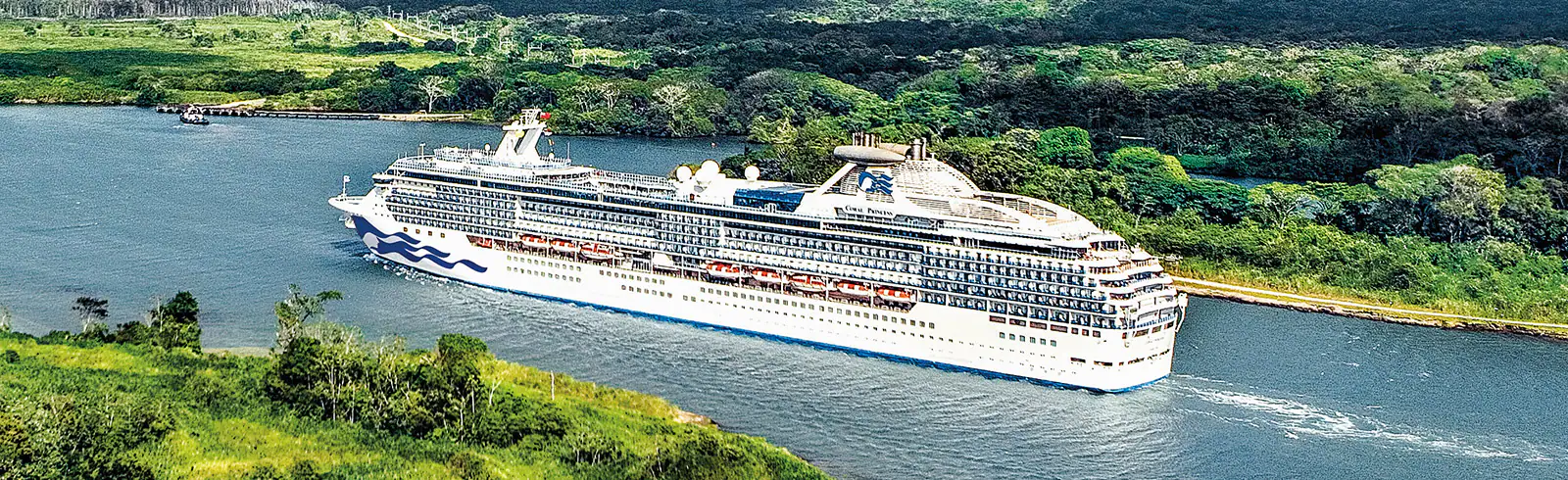
Princess’s fleet spans four classes. The Sphere class (Sun Princess and Star Princess, 175,500 GT, 4,310 guests each) is the newest and largest — LNG-powered with 29 dining venues and The Dome. The Royal class (six ships, 142,000 to 145,000 GT, 3,560 to 3,660 guests) introduced the SeaWalk glass walkway and Sky Suites. The Grand class (seven ships, 107,000 to 116,000 GT) is the fleet workhorse ranging from 1998 to 2008. The Coral class (two ships, approximately 91,000 GT, 2,000 to 2,210 guests) suits Panama Canal transits and smaller ports.
Both lines are world cruise specialists. Cunard’s 2026 programme features two simultaneous world voyages for the first time — Queen Mary 2’s 108-night westbound voyage (including the ship’s first-ever Panama Canal transit) and Queen Anne’s eastbound world voyage, together covering 30-plus ports across five continents. Princess’s 2026 World Cruise aboard Island Princess covers 115 days from Los Angeles (or 131 days from Fort Lauderdale), visiting 52 destinations across 19 countries with 45 UNESCO World Heritage Sites.
Where the lines diverge on destinations is telling. Cunard owns the transatlantic crossing — Queen Mary 2 operates the only scheduled ocean liner service between Southampton and New York, with approximately 20 to 25 crossings per year. No other cruise line offers anything comparable. This is a genuine monopoly product. Princess dominates Alaska like no other line — named Best Cruise Line in Alaska by Travel Weekly for 21 consecutive years, deploying up to eight ships with 180 departures from five homeports in 2026, holding exclusive Glacier Bay National Park permits, and operating its own wilderness lodges and glass-domed railcars for cruisetour combinations.
Cunard’s Mediterranean programme centres on Queen Victoria with seasonal Queen Anne deployments. Princess sends multiple ships to the Mediterranean with its largest-ever European season in 2026. Both lines serve Northern Europe, the Caribbean, and Asia — Princess with significantly more ships and departure options.
Where each line excels
Cunard excels in:
- Transatlantic crossings. Queen Mary 2’s scheduled 7-night Southampton-to-New York service is unique in the world. No other line offers a purpose-built ocean liner crossing at 26 knots through the North Atlantic. This is a bucket-list experience with no competition.
- Heritage and tradition. 185 years of maritime history, the Grills class system dating to 1914, afternoon tea as a daily ritual, ballroom dancing with a live orchestra, and Gala Evenings that bring genuine glamour to sea travel.
- Intellectual enrichment. The Cunard Insights programme, RADA acting workshops, the QM2 planetarium, and well-stocked libraries create a culturally stimulating environment that no mainstream-premium line can match.
- Ship-within-a-ship luxury. The Grills experience — dedicated restaurants, exclusive lounges, private sun decks, butler service, and included drinks — delivers genuine luxury-tier service within a premium-line setting.
- World voyages. Annual circumnavigations with overnight stays in global capitals, segments bookable from five nights, and the prestige of crossing oceans on ships named after queens.
Princess excels in:
- Alaska. Twenty-one consecutive years as the best cruise line in Alaska, exclusive Glacier Bay access, owned wilderness lodges, glass-domed railcars, and the deepest Alaskan programme in the industry.
- Technology. MedallionClass is the most advanced guest technology platform in cruising — touchless boarding, keyless entry, location-based delivery, family tracking, and ship-wide navigation.
- Australian deployment. Multiple ships across up to five homeports, 50-plus years of local history, AUD pricing, and growing investment in the Australian market.
- Bundled value. Plus and Premier packages provide transparent, predictable all-in daily costs that include drinks, Wi-Fi, gratuities, and dining.
- Fleet variety and scale. Seventeen ships across four classes provide unmatched choice of itinerary, ship size, and departure port. From the intimate 2,000-guest Coral Princess to the 4,310-guest Sun Princess, there is a ship for every preference.
- Accessible formality. Optional formal nights, Dine My Way flexibility, and a welcoming atmosphere that does not require packing a dinner jacket.
Standout itineraries for Australian travellers
Cunard
QM2 Full World Voyage 2026 (108 nights from Southampton, departed January 2026). Queen Mary 2’s first-ever Panama Canal transit, 30 ports across five continents including overnight stays in Los Angeles, San Francisco, Sydney, Hong Kong, Singapore, and Cape Town. A historic return to the Port of Los Angeles after a 17-year absence. World voyage segments are bookable from five nights — Australians can join in Sydney for the Asia or homebound legs.
QM2 Transatlantic Crossing (7 nights, Southampton to New York or reverse). The quintessential Cunard experience and the only scheduled ocean liner service in the world. Multiple departures year-round from April through December. Accessible to Australians as part of a broader European or North American holiday, with fly-cruise packages available.
Queen Elizabeth Alaska from Seattle 2026 (7 to 12 nights, roundtrip Seattle, May to September). Fifteen roundtrip voyages with ports including Ketchikan, Glacier Bay, Haines, Tracy Arm Fjord, Juneau, and Sitka. Extended voyages of up to 42 nights combine Alaska with Caribbean and Panama Canal segments. Described as among the final Alaska opportunities on Queen Elizabeth.
Princess
2026 World Cruise (115 days from Los Angeles, or 131 days from Fort Lauderdale, Island Princess). Twenty-nine thousand nautical miles, 19 countries, 52 destinations — the most ever on a Princess world cruise — with 45 UNESCO World Heritage Sites. Thirteen late-night port stays including Singapore and Sydney. Inaugural call at Boracay in the Philippines.
Star Princess Alaska Voyage of the Glaciers 2026 (7-night cruise plus 3 to 7-night land tour from Vancouver or Anchorage). The brand-new Sphere-class ship in its first Alaska season, visiting Juneau, Skagway, Ketchikan, and Glacier Bay with optional cruisetour extensions to Princess Wilderness Lodges and Denali National Park via glass-domed railcars.
Diamond Princess Japan Spring Flowers (10 to 11 nights, 2026). Following the predicted cherry blossom season south to north across all four main Japanese islands with ports including Kagoshima, Nagasaki, Osaka, and Tokyo. Cultural enrichment with local specialists.
2026/27 Australian season (Royal Princess, Grand Princess, and Crown Princess from Sydney, Melbourne, Brisbane, Fremantle, and Adelaide). Forty-two itineraries with 62 departures covering New Zealand, the South Pacific, New Caledonia, Vanuatu, Papua New Guinea, and Hawaii. Voyages from 8 to 37 nights. This is the most convenient option for Australians wanting to sail premium without a long-haul flight to embarkation.
Ship-by-ship recommendations
Cunard
Queen Mary 2 — The ship every cruise enthusiast should experience at least once. She is not a cruise ship — she is an ocean liner, and the distinction is real: a hull block coefficient of 0.61 versus a typical cruise ship’s 0.73, purpose-built for the North Atlantic, with a service speed of 26 knots and a maximum of 30. The planetarium, the grand Britannia Restaurant, and the sheer presence of sailing aboard the world’s only active liner make QM2 a bucket-list vessel. Book the transatlantic crossing for the purest Cunard experience, or join a world voyage segment from Sydney.
Queen Anne — Cunard’s newest ship (May 2024) and largest by passenger capacity at 2,996 guests. She brings a fresh design language with 15 restaurants — the most of any Cunard ship — including fleet-exclusive venues like Aranya (Indian), Aji Wa (Japanese), and Tramonto (Mediterranean). The Mareel Wellness spa introduces cryo-therapy and micro-needling treatments. Britannia Club staterooms are increased by over 200 per cent versus the older ships. Queen Anne modernises the Cunard experience while maintaining the traditions. She is the best choice for travellers new to Cunard who want the brand’s heritage without the older fleet hardware.
Queen Victoria — The primary Mediterranean ship, spending summers in the Western and Eastern Med and winters on Canary Islands itineraries from Southampton. Refreshed in 2024, she is the most intimate of the four Queens at 2,061 guests. A solid choice for European itineraries.
Queen Elizabeth — Freshly refitted in early 2025 with a refreshed Queens Room, new Pavilion Wellness Cafe, Michel Roux Gala Evening menus, and upgraded Grills suites. Now deployed year-round to North America — Alaska from Seattle in summer, Caribbean from Miami in winter. The best Cunard option for Alaska, and the ship Australians will know best from her years of Sydney homeporting.
Princess
Sun Princess or Star Princess — The Sphere-class ships are the flagship product and represent a generational leap in Princess ship design. The Dome, the Arena, 29 dining venues, the Sanctuary Collection, and LNG propulsion make these the most ambitious Princess ships ever built. Sun Princess has been named number one mega cruise ship by Conde Nast Traveler for two consecutive years. Star Princess, delivered September 2025, features expanded non-smoking casino areas and refined entertainment. Book either for the definitive modern Princess experience.
Discovery Princess — The newest Royal-class ship (2022) and a strong Australian deployment vessel. Features the SeaWalk glass walkway and all Royal-class innovations. Currently homeported in Sydney for the 2025/26 season. A solid middle ground between the scale of Sphere class and the intimacy of the older fleet.
Diamond Princess — The Japan specialist. Purpose-deployed for cherry blossom season cruises, Southern Islands itineraries, and Sea of Japan voyages. If Japan is your destination, Diamond Princess is the ship.
Island Princess or Coral Princess — The smallest ships in the fleet at approximately 91,000 to 93,000 gross tonnes carrying 2,000 to 2,210 guests. Better suited for Panama Canal transits and ports where larger ships cannot call. Island Princess handles the 2026 World Cruise. These are the best choice for travellers who prefer a more intimate Princess experience without the crowds of the larger classes.
Grand Princess and Royal Princess — Homeporting in Sydney and Brisbane for the 2026/27 Australian season. Mature ships that deliver the core Princess experience at a lower price point than the newer classes. Solid choices for no-fly Australian departures.
For Australian travellers specifically
This is the section that matters most for readers of this site, and the reality is stark.
Princess has been sailing to Australia since 1975. The original Pacific Princess arrived in Sydney Harbour in December 1975 — a full two years before The Love Boat debuted on television. The year 2025 marked Princess’s 50th anniversary in Australia, celebrated with the arrival of Discovery Princess in Sydney and a visit from Love Boat actor Ted Lange. Australian cruises were originally sold through P&O (which owned Princess at the time), giving the line deep distribution roots in the Australian travel trade that persist today.
Princess’s Australian commitment is not just stable — it is growing. The 2025/26 season deploys Discovery Princess and Crown Princess from Sydney, Brisbane, and Hobart with 75 unique itineraries. The 2026/27 season expands to three ships — Royal Princess, Grand Princess, and Crown Princess — across five homeports: Sydney, Melbourne, Brisbane, Fremantle, and Adelaide, with 42 itineraries and 62 departures. The 2027/28 season adds Sapphire Princess as a third dedicated ship, homeported in Fremantle — making Princess the only large premium line to homeport in Western Australia.
Princess prices Australian departures in AUD on a dedicated Australian website. The EZair flight programme offers negotiated airfares with flight delay protection from all major Australian gateways. MedallionClass technology is available on every ship deployed to Australian waters. Curtis Stone’s culinary partnership resonates with the local market. The Princess OneSource training portal supports Australian travel advisors. This is a line that treats Australia as a core market, not an afterthought.
Cunard is moving in the opposite direction. Queen Elizabeth homeported in Sydney seasonally for multiple years, building an Australian following and injecting an estimated AUD 80 million into local economies during her final season across 59 ports in Australia and New Zealand. But the 2024/25 season was the final homeport season. Queen Elizabeth departed Australia for the last time on 11 February 2025, redeployed to year-round North American operations — Alaska from Seattle in summer, Caribbean from Miami in winter. The decision was controversial among Australian cruisers, with some speculation that the formal dress code deterred parts of the Australian market.
Cunard has stated that “world voyages are key and will always include Australia” — Queen Mary 2’s 2026 world voyage includes a Sydney overnight, and Queen Anne visited Sydney, Brisbane, Airlie Beach, Yorkeys Knob, and Darwin during her maiden world voyage in early 2025. But world voyage segments are fundamentally different from a homeport programme. You cannot do a quick 10-night round trip to New Zealand from Sydney on Cunard anymore. You can only join a longer world voyage segment passing through, or fly to an international departure port.
For Australians who want to try Cunard, the practical options are: join a world voyage segment from Sydney when one is available; fly to Southampton for a transatlantic crossing, Mediterranean, or Northern Europe sailing; fly to Seattle for Cunard’s Alaska season on Queen Elizabeth; or fly to Miami for a Caribbean season. None of these are as convenient as walking aboard a Princess ship at Circular Quay.
The loss of Cunard’s Australian homeporting means Australian travel agents lose a locally accessible premium product, Cunard loses momentum in the Australian cruise market, and Australian travellers lose the ability to experience Cunard without international flights. It is, by any measure, a retreat — and it makes Princess the overwhelmingly more accessible option for the Australian market.
The onboard atmosphere
Formality and technology are the two biggest differentiators between these lines, and they shape every aspect of the onboard atmosphere.
Cunard is the most formal major cruise line operating today. Daytime is relaxed — smart casual throughout the ship, with swimwear reserved for pool decks and the gym. But from 6:00 PM, the atmosphere shifts. Most evenings are designated “Smart Attire” — collared shirts and trousers for men, cocktail dresses or tailored separates for women. Gala Evenings, scheduled two to three times per 7-night voyage, require dinner jackets or tuxedos with tie or bow tie for men and floor-length gowns or cocktail dresses for women. Themed Gala nights — Black and White, Red and Gold, Masquerade — invite creative participation. The dress code is enforced. The Queens Room transforms into a grand ballroom with a live orchestra. Dance hosts partner with solo travellers. The White Star Service training philosophy ensures crew deliver discreet, anticipatory service with a distinctly British formality. The passenger demographic skews older — predominantly 55-plus — and heavily British, with well-travelled, culturally engaged guests who appreciate heritage, protocol, and tradition.
Princess is relaxed, sociable, and tech-forward. Smart casual is the default most evenings — slacks, open-neck shirts, and clean jeans are all acceptable. Formal nights (one on 5 to 6-night cruises, two on 7 to 13-night cruises) suggest tuxedos and evening gowns, but enforcement is gentle — guests who prefer casual can dine at the buffet or casual venues without issue. The atmosphere is warm and approachable. The Piazza creates a natural gathering point. Pool decks are social. Entertainment is participatory rather than passive.
And then there is technology. Princess’s MedallionClass is the single most advanced guest technology platform in the cruise industry. The OceanMedallion — a wearable device worn as a pendant, clip, or wristband — enables touchless boarding via facial recognition, keyless cabin entry as you approach your door, touchless payments throughout the ship, location-aware food and drink delivery (order from the app and crew find you via GPS, whether you are at the pool, in the theatre, or on your balcony), real-time turn-by-turn navigation via the app, family tracking to locate anyone in your party, and interactive gaming experiences throughout the ship. The technology enables hyper-personalisation — crew can see your name and preferences on their devices, creating a sense of being known without being intrusive.
Cunard’s technology approach is deliberately understated. The My Cunard app handles booking management and pre-cruise check-in. Onboard Wi-Fi is available for purchase. A traditional cruise card provides cabin access and payments. There is no wearable technology, no keyless entry, no location-based services, and no app-based food delivery. Cunard emphasises human interaction and personal service over digital innovation. Some guests appreciate this as part of the traditional experience. Others find it dated.
The atmosphere distinction is the single most important factor in this comparison. Travellers who want to dress for dinner, dance in a ballroom, attend a lecture by a former ambassador, and sip champagne while reading in a well-stocked library will find their spiritual home on Cunard. Travellers who want technology that anticipates their needs, a relaxed dress code, Movies Under the Stars with popcorn and blankets, and the flexibility to dine wherever and whenever they choose will find their match in Princess. The question is not which atmosphere is objectively better — it is which atmosphere matches how you want to spend your holiday.
The bottom line
Cunard and Princess are both excellent Carnival Corporation brands, but they solve cruising in ways so different that direct comparison almost misses the point. Choosing between them is not about quality — both deliver on their promises. It is about what you want from your time at sea.
Choose Cunard if you value 185 years of maritime heritage and ocean liner tradition. Choose it for the transatlantic crossing aboard the world’s only active liner. Choose it for Gala Evenings where guests dress with genuine elegance. Choose it for the Cunard Insights lectures, RADA acting workshops, and ballroom dancing under chandeliers. Choose it for the Grills ship-within-a-ship — dedicated restaurants, exclusive lounges, and butler service that deliver genuine luxury within a premium-line framework. Choose it for afternoon tea served with white gloves and fine china. Accept that you will need to fly internationally to reach the ship, that the dress code is non-negotiable, that the class system creates visible boundaries, and that the fleet of four ships limits itinerary options compared to Princess’s seventeen.
Choose Princess if you want to sail from your home port in Australia — Sydney, Melbourne, Brisbane, Fremantle, or Adelaide — without a long-haul flight. Choose it for MedallionClass technology that transforms the onboard experience with keyless entry, location-based delivery, and seamless personalisation. Choose it for the Plus and Premier packages that make daily costs transparent and predictable. Choose it for Alaska, where Princess’s 60-year heritage, exclusive Glacier Bay access, and owned wilderness lodges are unmatched. Choose it for the flexibility of Dine My Way and the variety of 29 dining venues on Sphere-class ships. Choose it for a relaxed, egalitarian atmosphere where your cabin determines your bed, not your experience of the ship. Accept that the entertainment skews more toward spectacle than enrichment, that the older Grand-class ships show their age, that package pricing has been increasing with some benefits removed, and that the largest ships can feel crowded at peak occupancy.
For most Australian travellers making this decision today, the practical reality of deployment will be the deciding factor. Princess is here, growing, and investing in the Australian market. Cunard has left. That does not make Cunard a lesser line — it makes it a less accessible one. If you are willing to fly to Southampton, New York, or Seattle to experience the magic of Cunard, the reward is a voyage unlike anything else at sea. If you want premium cruising from your doorstep with modern convenience and excellent value, Princess delivers exactly that.