Emerald Cruises and Sea Cloud Cruises both deliver intimate yacht experiences with fewer than 140 guests — but one is a modern Australian-owned superyacht with an infinity pool and marina platform, the other a fleet of heritage tall ships where crew hand-set sails on a vessel built in 1931. Jake Hower compares two fundamentally different philosophies of small-ship cruising for Australian travellers.
| Emerald Cruises | Sea Cloud Cruises | |
|---|---|---|
| Category | River / Yacht-Style / Luxury | Yacht-Style |
| Rating | ★★★★☆ | ★★★★☆ |
| Fleet size | 11 ships | 3 ships |
| Ship size | River (under 200) | Yacht (under 140) |
| Destinations | European rivers, Mekong, Mediterranean, Adriatic | Mediterranean, Caribbean, Northern Europe |
| Dress code | Smart casual | Elegantly casual |
| Best for | Premium-value river and yacht cruisers | Tall-ship sailing romantics |
These lines offer such different experiences that the choice is less about quality and more about what kind of traveller you are. Emerald Azzurra delivers a contemporary superyacht experience — modern suites with balconies, an infinity pool, included excursions, and the practical advantage of Australian ownership through Scenic Group. Sea Cloud delivers a once-in-a-lifetime sailing experience aboard vessels of genuine maritime heritage, where the spectacle of hand-set sails and the romance of a 1931-built yacht create memories that no modern ship can replicate. For Australians wanting a polished, accessible superyacht holiday with local support and strong value, choose Emerald. For those seeking an extraordinary, unrepeatable sailing experience steeped in history, choose Sea Cloud.
The core difference
Emerald Cruises and Sea Cloud Cruises represent two entirely different answers to the same question: what does intimate, small-ship cruising look like at its best? One answer is modern, sleek, and forward-looking. The other is historic, romantic, and rooted in a maritime tradition stretching back nearly a century. Understanding this distinction is essential, because booking the wrong one does not mean a bad holiday — it means missing the kind of experience you actually wanted.
Emerald Azzurra is a purpose-built superyacht launched in 2022, carrying 100 guests across 50 suites with 88 per cent featuring step-out balconies. She is part of the Scenic Group fleet — an Australian-owned travel company headquartered in Newcastle, New South Wales — and her design reflects contemporary luxury: an infinity pool on the upper deck, a water-sports marina deployed from the stern, regionally sourced dining, and included shore excursions. The fleet is expanding rapidly, with sister ships Kaia, Raiya, and Xara entering service between 2026 and 2027. Everything about Emerald’s yacht product is modern, well-priced, and designed for the traveller who wants a superyacht experience without the ultra-luxury price tag.
Sea Cloud Cruises operates the world’s only fleet of luxury tall sailing ships from its Hamburg base. The original Sea Cloud was built in 1931 for cereal heiress Marjorie Merriweather Post and her husband E.F. Hutton as the world’s largest private yacht. Today she carries just 64 guests in cabins that retain their original mahogany panelling, marble fireplaces, and gold-plated bathroom fixtures. Sea Cloud II (2001) expanded the concept to 94 guests aboard a three-masted barque. Sea Cloud Spirit (2021) carries 136 guests with balcony cabins, a wellness area, and a swimming platform while preserving the authentic windjammer sailing experience. Across all three vessels, every billowing sail is raised and managed entirely by hand — the crew climb the rigging and unfurl canvas exactly as sailors did centuries ago.
For Australian travellers, the choice is not about which is better but which experience you are seeking. If you want a modern superyacht holiday with Australian support, good value, and contemporary comforts, Emerald is the logical choice. If you want to stand on the deck of a vessel built in 1931 and watch crew hand-set 29 sails across 3,000 square metres of canvas — an experience available nowhere else on earth — Sea Cloud is in a category of one.
What is actually included
The inclusion models reflect the different philosophies of these two operators, and the details matter when calculating total cost.
Emerald’s yacht fare includes all onboard dining, selected beverages with meals (house wine, beer, soft drinks), a programme of included shore excursions at most ports, access to the marina platform with kayaks, paddleboards, and snorkelling equipment, and crew gratuities. Premium beverages carry a surcharge. The inclusion of shore excursions is a meaningful benefit — guided walking tours, cultural visits, and active excursions at most ports are bundled into the fare, saving AUD $500 to $1,000 per person over a week.
Sea Cloud’s fare includes all meals aboard, port charges, and the sailing experience itself. Beverages beyond water, coffee, and tea are typically charged separately, though wine packages may be available. Shore excursions are offered as optional add-ons at additional cost. Gratuity policies vary by voyage. There is no marina platform, no infinity pool, and no onboard water-sports programme — the ship’s identity is sailing, not resort-style amenities.
The comparison is complicated by the fact that these lines offer such different products. Emerald’s inclusions are broader in a conventional cruise sense — more meals, more drinks, more excursions, more activities. Sea Cloud’s inclusion is the sailing itself — an experience that cannot be quantified in the same terms. The value of watching a crew hand-set 29 sails on a vessel with 93 years of history does not appear on any inclusion checklist, yet it is the primary reason guests choose Sea Cloud. Australian travellers should assess these lines by what they deliver emotionally and experientially rather than by a line-by-line comparison of what is technically covered in the fare.
Dining and culinary experience
Dining aboard these two lines reflects their different scales, settings, and philosophies — one modern and regionally inspired, the other intimate and tradition-anchored.
Emerald’s dining aboard Azzurra is served in a single restaurant with regionally sourced menus designed to reflect each port of call. The intimate guest count — 100 — means the kitchen operates at a manageable scale, allowing for dietary accommodations and fresh preparation. The quality is strong for the price bracket, with attractive presentation and competent execution. An al fresco dining option on the upper deck adds ambiance on warm evenings. The overall culinary experience is a pleasure rather than a destination — good food in a beautiful setting, served attentively.
Sea Cloud’s dining is a single open-seating affair across all three vessels, with cuisine that balances European tradition with regional influences from the ports visited. On the original Sea Cloud, just 64 guests dine together in a setting that feels like a private dinner party aboard a historic yacht — the intimacy is unmatched. Sea Cloud II and Sea Cloud Spirit serve slightly larger groups but maintain the same philosophy of a single sitting where guests gather as a community. The wine list is curated and European-leaning. There are no alternative restaurants, no buffet, and no room service in the conventional sense.
Neither line competes on culinary credentials with the Michelin-starred programmes of ultra-luxury competitors. Both serve food that is well-prepared, regionally appropriate, and enjoyed in settings that enhance the experience. The difference is in the atmosphere: Emerald’s dining room is modern and contemporary; Sea Cloud’s is set within a vessel whose dining saloon may feature original 1930s fixtures and the knowledge that Marjorie Merriweather Post once hosted dignitaries in the same space.
Suites and accommodation
The accommodation comparison is shaped by the fundamental difference between a purpose-built modern yacht and vessels spanning nine decades of maritime design.
Emerald Azzurra’s suites range from stateroom categories at approximately 210 square feet to the Owner’s Suite at roughly 515 square feet. Eighty-eight per cent feature step-out balconies — a strong ratio for a yacht of this size. The interiors are contemporary, with clean lines, quality textiles, modern bathrooms, and functional layouts. Every suite is climate-controlled with modern entertainment systems and connectivity. The consistency is a strength — guests in any category receive a well-designed, well-finished space that feels modern and comfortable.
Sea Cloud’s accommodation varies dramatically by vessel and category. On the original 1931 Sea Cloud, the owner’s cabins (numbers 1 and 2) retain their original mahogany panelling, marble fireplaces, period furniture, and gold-plated bathroom fixtures — museum-quality interiors that are genuinely historic. Other cabins range from comfortable mid-ship staterooms to compact former officers’ quarters on lower decks. There are no balconies on the original ship. Sea Cloud II offers more standardised cabin sizes with portholes. Sea Cloud Spirit, launched in 2021, introduced balcony cabins, a more spacious layout, and modern comforts while retaining the tall-ship aesthetic. Across the fleet, cabin sizes are generally more compact than Emerald’s, and the design is nautical rather than contemporary.
The tradeoff is between consistency and character. Emerald delivers modern, reliable suite accommodation where every cabin meets a predictable standard. Sea Cloud delivers cabins that range from compact and functional to genuinely extraordinary — the original owner’s suite on the 1931 vessel is one of the most remarkable spaces at sea, while the lower-deck cabins are practical rather than luxurious. For travellers who prioritise a well-appointed, modern cabin, Emerald wins clearly. For those willing to accept cabin variability in exchange for sleeping aboard a vessel with genuine maritime history, Sea Cloud offers something no modern ship can replicate.
Pricing and value
The pricing gap reflects different markets, different scales of operation, and the premium that scarcity and heritage command.
Emerald’s yacht per-diem runs approximately AUD $500 to $800 per person per night for standard suite categories, with seven-night Mediterranean and Adriatic voyages typically starting from approximately AUD $4,000 to $6,000 per person including meals, selected beverages, excursions, and gratuities. The value proposition is strong — a 100-guest superyacht with modern suites, a marina platform, and included excursions at a price that undercuts most yacht-category competitors. Scenic Group’s Australian presence means AUD pricing, local phone support, and familiarity with Australian travel agent commission structures.
Sea Cloud’s per-diem runs approximately AUD $800 to $1,500 per person per night depending on vessel, cabin category, and itinerary. Voyages on the original 1931 Sea Cloud command the highest premiums — the vessel’s 64-guest capacity and irreplaceable heritage mean demand consistently outstrips supply. Sea Cloud Spirit, with 136 guests and more modern accommodation, offers a slightly lower entry point. Beverages and shore excursions are generally additional costs. The pricing reflects a simple market reality: there are only three tall ships in the Sea Cloud fleet, and there will never be more vessels like the original — she is a one-of-one artifact.
For Australian travellers evaluating pure value per dollar, Emerald delivers more tangible amenities and inclusions at a lower price. But value in travel is not purely transactional. Sea Cloud offers an experience that money cannot buy anywhere else — the chance to sail aboard a 1931-built yacht with hand-set sails, to sleep in a cabin with original mahogany panelling, and to witness a maritime tradition that is disappearing from the world. That experience commands a premium because it is genuinely irreplaceable. Emerald commands its price because it delivers a modern superyacht experience with exceptional efficiency.
Spa and wellness
The spa and wellness comparison highlights the fundamental difference between a modern resort-style yacht and a heritage sailing vessel.
Emerald Azzurra offers a dedicated spa and wellness area with treatment rooms, a beauty salon, and a fitness centre. The infinity pool on the upper deck is both a visual centrepiece and a relaxation space. The marina platform provides kayaks, paddleboards, and snorkelling gear for active water-based wellness. The overall wellness offering is well-rounded for a 100-guest yacht — massage, facial treatments, and beauty services are available, and the active programme ashore (walking tours, cycling through EmeraldACTIVE) adds a fitness dimension.
Sea Cloud does not position wellness as a selling point in the traditional cruise sense. The original 1931 vessel has no spa, no pool, and no fitness centre. Sea Cloud II carries a small spa area and fitness room. Sea Cloud Spirit, the newest vessel, added a wellness and spa area, a swimming platform, and an ocean-view fitness centre — a meaningful step toward modern expectations while preserving the sailing experience. Across the fleet, the primary “wellness” is the act of sailing itself — standing on deck with salt air and wind, the gentle motion of a vessel under canvas, and the meditative rhythm of a ship responding to the sea.
The difference is philosophical. Emerald offers the wellness amenities that modern travellers expect. Sea Cloud offers a form of wellbeing that no spa can replicate — the elemental experience of being aboard a sailing ship, disconnected from the digital world, with the wind and the waves as the primary sensory input. Both are valid. They serve different needs.
Entertainment and enrichment
Neither line promises Broadway shows or elaborate production entertainment — and both attract travellers who consider that a feature rather than a limitation.
Emerald’s enrichment is destination-focused, with the EmeraldACTIVE programme providing guided excursions that double as cultural immersion — walking tours, cycling, and local experiences included in the fare. Evening entertainment consists of live music, cultural performances reflecting the destinations visited, and the social atmosphere of the yacht’s public spaces. The 100-guest capacity creates a naturally convivial atmosphere where conversation and shared experience replace structured programming.
Sea Cloud’s enrichment is the sailing itself. Watching the crew climb the rigging and hand-set 29 sails is a spectacle that no other cruise line can offer — it is living theatre, performed several times per voyage, that connects guests to a maritime tradition stretching back centuries. Guest lecturers on select voyages cover maritime history, navigation, and the cultural heritage of ports visited. Evening entertainment is the company of fellow guests — 64 on the original Sea Cloud, 94 on Sea Cloud II, 136 on Sea Cloud Spirit — in an atmosphere that feels like a private dinner party. There is no casino, no pool, no production show. The ship is the entertainment.
The distinction is clear. Emerald provides the enrichment and entertainment that travellers expect from a modern yacht — curated, professional, and destination-relevant. Sea Cloud provides an experience so inherently absorbing that conventional entertainment is irrelevant. For travellers who need structured activities and evening programming, Emerald is the better fit. For those who can spend an hour watching a crew unfurl sails and consider it the highlight of the voyage, Sea Cloud delivers something no other line can match.
Fleet and destination coverage
The fleet comparison reveals different scales of operation and different growth trajectories.
Emerald’s yacht fleet currently centres on Azzurra, with three sister ships entering service between 2026 and 2027, bringing the total to four approximately 100-guest yachts. Deployment covers the Mediterranean, Adriatic, Red Sea, and select seasonal rotations. The broader Emerald Cruises fleet includes river vessels across European waterways and the Mekong, giving the brand unusual breadth. The rapid expansion signals serious investment in the ocean segment, with increasing itinerary choice and departure dates for Australian travellers.
Sea Cloud’s fleet comprises three vessels: Sea Cloud (64 guests, 1931), Sea Cloud II (94 guests, 2001), and Sea Cloud Spirit (136 guests, 2021). The fleet sails the Caribbean in winter and the Mediterranean, Canary Islands, and Northern Europe in summer, with itineraries ranging from four to nineteen nights. The ships access small harbours and anchorages unreachable by larger vessels. There is no plan to build additional ships resembling the original Sea Cloud — she is irreplaceable — though Sea Cloud Spirit represents a modern interpretation of the tall-ship concept.
For Australian travellers, neither line offers domestic departures. Both are primarily Mediterranean and Caribbean operators accessible via international flights through Middle Eastern, Asian, or European hubs. Emerald’s expanding fleet will offer more departure dates and itinerary options. Sea Cloud’s limited fleet means voyages sell out well in advance, particularly on the original 1931 vessel — Australian travellers should book 12 to 18 months ahead for preferred dates and cabin categories.
Where each line excels
Emerald Cruises excels in:
- Modern superyacht amenities. Infinity pool, marina platform with water sports, balcony suites, contemporary design, and a well-rounded resort-style experience at sea. Everything a modern yacht traveller expects, delivered competently and attractively.
- Value for money. A 100-guest superyacht with included excursions and balcony suites at approximately AUD $500 to $800 per night — arguably the best value in the yacht category.
- Australian ownership and support. Scenic Group provides AUD pricing, local phone support, and Australian-specific service that no other yacht operator matches.
- Fleet growth. Four yachts by 2027 provides increasing choice and availability for Australian travellers planning ahead.
- Included excursions. Shore excursions bundled into the fare represent genuine savings and convenience at every port.
Sea Cloud Cruises excels in:
- Maritime heritage. The original 1931 Sea Cloud is a genuine historical artifact — the world’s former largest private yacht, with original interiors and a living connection to the golden age of sail. Nothing else afloat compares.
- Authentic sailing. Crew hand-set up to 29 sails across 3,000 square metres of canvas. The ships sail under wind power when conditions allow. This is not motorised cruising with decorative masts — it is real sailing, and the spectacle is unforgettable.
- Ultra-intimacy. Sixty-four guests on the original Sea Cloud creates an atmosphere of genuine exclusivity that even Emerald’s 100-guest yacht cannot match. Every voyage feels like a private charter.
- Unplugged atmosphere. No casino, no pool, no production shows, no digital distractions. The ship, the sea, the sails, and the company of a small group of like-minded travellers. For those who find modern cruising over-stimulating, Sea Cloud is the antidote.
- Scarcity and exclusivity. Only three ships in the fleet, with the original vessel carrying just 64 guests. Voyages sell out well in advance. The experience is genuinely rare.
Standout itineraries for Australian travellers
Emerald Cruises
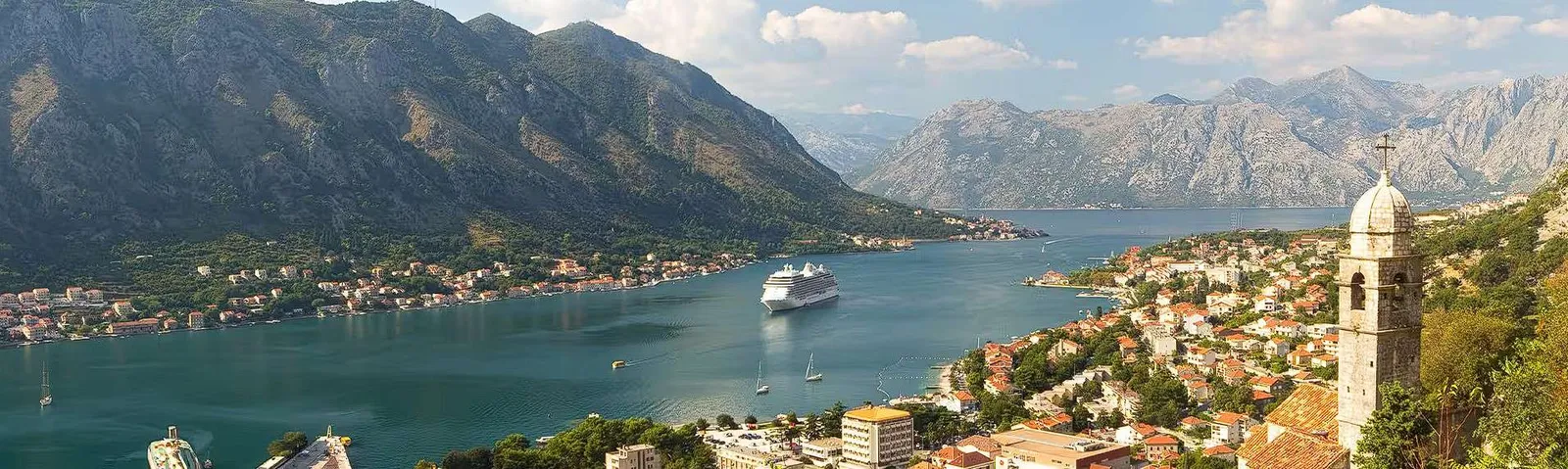
Emerald Azzurra: Adriatic and Dalmatian Coast (7-10 nights, seasonal) — Threading through Croatia’s islands and Montenegro’s Bay of Kotor with included walking tours and cultural excursions. The marina platform deploys in the warm, clear Adriatic. Fly to Venice or Dubrovnik from Australian gateways via Singapore, Dubai, or Doha.
Emerald Azzurra: Greek Islands and Turkish Coast (7-10 nights, seasonal) — Cyclades and Dodecanese island-hopping with calls at Santorini, Mykonos, Bodrum, and Rhodes. The 100-guest yacht accesses harbours that larger ships bypass entirely. Embark from Athens — accessible via a single connection from Australian east coast cities through Singapore or the Middle East.
Sea Cloud Cruises
Sea Cloud: Mediterranean (7-14 nights, summer season) — The original 1931 vessel sailing the same waters that Marjorie Merriweather Post once cruised, with 64 guests and 29 hand-set sails. Itineraries cover the western Mediterranean, Italy, Greece, and the Dalmatian coast. The intimate guest count and shallow draft allow access to harbours and anchorages that even Emerald’s superyacht cannot always reach. Fly to Rome, Barcelona, or Athens from Australian gateways.
Sea Cloud Spirit: Caribbean (7-14 nights, winter season) — The newest vessel with 136 guests, balcony cabins, and a swimming platform, sailing the Caribbean islands under canvas. The modern comforts of Spirit combined with the hand-set sailing experience create a compelling blend of heritage and contemporary. Fly to Barbados or Antigua via London, Miami, or Dallas from Australian east coast cities.
Sea Cloud: Canary Islands (7-10 nights, shoulder season) — Sailing between the volcanic islands with the trade winds filling 29 sails. The Canaries are accessible via Madrid or London from Australian gateways, and the shorter flight connections make this an attractive option for Australian travellers seeking to minimise transit time to a Sea Cloud experience.
Ship-by-ship recommendations
Emerald Cruises
Emerald Azzurra (100 guests, launched 2022) — The proven original, with the strongest track record and most refined service patterns. Choose for the most established Emerald yacht experience. The infinity pool, marina platform, and 88 per cent balcony ratio deliver a complete modern superyacht package.
Emerald Kaia, Raiya, Xara (approximately 100 guests each, 2026-2027) — Sister ships with design refinements informed by Azzurra’s operational experience. Book early for inaugural departures — first sailings attract strong interest from repeat Scenic Group guests.
Sea Cloud Cruises
Sea Cloud (64 guests, 1931) — The icon. Choose this vessel if you want the most extraordinary, unrepeatable experience in this comparison — sleeping aboard a 1931-built yacht with original interiors, watching crew hand-set 29 sails, and sharing the experience with just 63 other guests. Cabins vary from museum-quality owner’s suites to compact officers’ quarters. Book 12 to 18 months ahead; the most desirable cabins and itineraries sell out rapidly.
Sea Cloud II (94 guests, 2001) — A purpose-built three-masted barque that balances traditional sailing with more standardised accommodation. Choose for a slightly more predictable cabin experience than the original while retaining the authentic hand-set sailing heritage.
Sea Cloud Spirit (136 guests, 2021) — The most modern Sea Cloud vessel, with balcony cabins, a wellness area, and a swimming platform. Choose for the closest Sea Cloud experience to a conventional yacht in terms of amenities, while still enjoying the hand-set sails and the romance of a tall-ship voyage. The best entry point for travellers new to Sea Cloud who want modern comfort with sailing heritage.
For Australian travellers specifically
Both lines require international flights from Australian gateways, and neither operates in Australian waters — but the practical considerations differ in ways that matter.
Emerald’s Australian advantage is substantial. As part of Scenic Group, Emerald offers AUD-priced brochures, Australian-hours phone support, local travel agent relationships, and a company that understands Australian travel patterns. For Australian travellers who prefer to deal with a locally headquartered operator, this is a genuine differentiator. The familiarity of Scenic Group — well-known in Australia for river cruising — provides confidence for travellers stepping into the ocean yacht category for the first time.
Sea Cloud’s Australian presence is minimal. The company is headquartered in Hamburg, Germany, with primary sales operations in Europe and North America. Australian travellers typically book through specialist travel agents who access Sea Cloud via international wholesale channels. There is no dedicated Australian office, no AUD brochure pricing, and no local marketing team. The booking process is straightforward through experienced agents — including Pan Australian Travel — but requires comfort with international transactions and European-based communication.
The flight routing is comparable for both lines’ Mediterranean programmes. Athens, Rome, Barcelona, and Venice are accessible from Sydney, Melbourne, Brisbane, and Perth via a single connection through Singapore, Dubai, Doha, or Hong Kong. Sea Cloud’s Caribbean departures require US-routed connections, adding complexity. Emerald’s Adriatic departures from Dubrovnik or Venice are well-served by Middle Eastern hub connections.
The booking timeline matters more for Sea Cloud. With just 64 guests on the original vessel and 94 on Sea Cloud II, voyages sell out well in advance — Australian travellers planning a Sea Cloud voyage should book 12 to 18 months ahead for preferred dates. Emerald’s expanding fleet provides more availability and shorter booking windows, particularly on the newer sister ships during their first seasons.
The onboard atmosphere
The atmospheres aboard these two lines are so different that comparing them risks missing the point — but understanding the distinction helps Australian travellers choose correctly.
Emerald’s atmosphere is contemporary, relaxed, and sociable. The 100-guest capacity creates a friendly dynamic where guests recognise each other by the second day. The passenger demographic trends younger than many luxury lines — typically couples in their forties to sixties, active, well-travelled, and often stepping up from premium cruise lines or river cruising. The dress code is smart casual throughout. Australian and British travellers are typically well-represented. The vibe is modern and unpretentious — a superyacht holiday that feels accessible rather than intimidating.
Sea Cloud’s atmosphere is romantic, unplugged, and steeped in history. On the original 1931 vessel, the awareness of the ship’s heritage pervades everything — you are sleeping, dining, and sailing aboard a vessel that once hosted royalty, diplomats, and Hollywood icons. The 64-guest capacity creates an intimacy that borders on family — by the third day, every guest knows every other guest by name, and the crew are part of the social fabric. The dress code is elegantly casual, with a Captain’s dinner adding a touch of formality. The passenger mix is predominantly European, with a strong German and Austrian contingent reflecting the company’s Hamburg base. The atmosphere is intellectual, curious, and quietly sophisticated — guests tend to be well-read, well-travelled, and drawn to history and culture.
The fundamental difference is modern comfort versus historical romance. Emerald offers the atmosphere of a contemporary boutique hotel on the water. Sea Cloud offers the atmosphere of a private yacht with nine decades of stories embedded in her timbers. Both are beautiful. They appeal to different sensibilities.
The bottom line
Emerald Cruises and Sea Cloud Cruises are not truly competitors — they are different genres of travel that happen to share the yacht category label. Choosing between them is less about weighing features and more about knowing what kind of experience will resonate most deeply with you.
Choose Emerald for a modern, well-priced superyacht holiday from an Australian-owned operator. Choose it for balcony suites, an infinity pool, a marina platform, included excursions, and the practical comfort of Scenic Group’s local support. Choose it for the expanding fleet that will offer four yachts by 2027, for AUD pricing, and for an experience that delivers genuine luxury without requiring the budget or the adventurous spirit that Sea Cloud demands. Emerald is the intelligent entry into superyacht cruising for Australian travellers who want contemporary comfort, strong value, and local backing.
Choose Sea Cloud for an experience that exists nowhere else on earth. Choose it for the spectacle of 29 hand-set sails unfurling on a vessel built in 1931, for cabins with original mahogany panelling and marble fireplaces, for the intimacy of 64 guests who become travelling companions rather than fellow passengers. Choose it for the chance to disconnect from the modern world and connect with a maritime tradition that is vanishing. Accept the compact cabins on the original vessel, the absence of balconies, the lack of a pool or spa, the premium pricing, and the need to book well in advance. Sea Cloud is not a cruise — it is a pilgrimage for those who believe that the way you travel matters as much as where you go.
For Australian travellers with the budget and the inclination for both, these lines complement each other perfectly. An Emerald Adriatic voyage for a polished modern superyacht experience, followed by a Sea Cloud Mediterranean sailing for the romance of a lifetime — that combination captures the full breadth of what the yacht category offers, and both deserve a place on any serious cruise wish list.