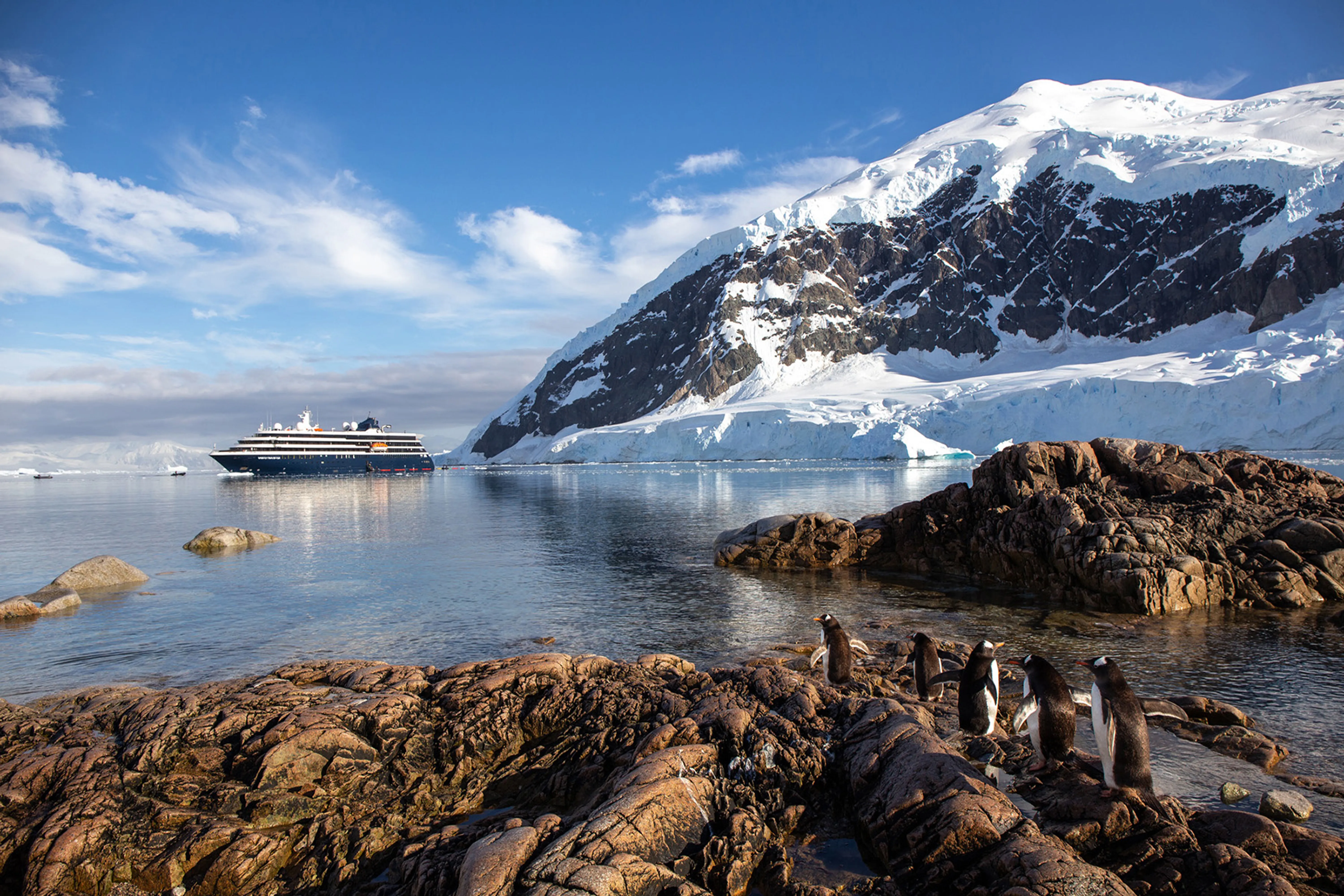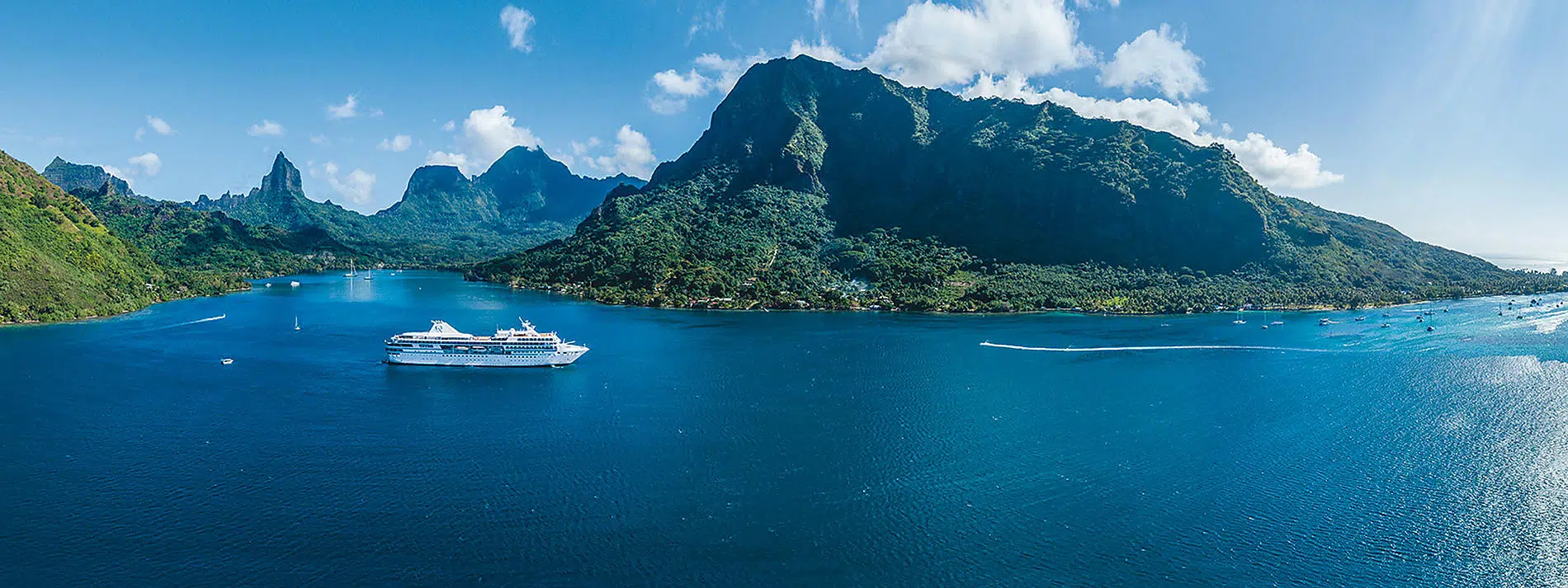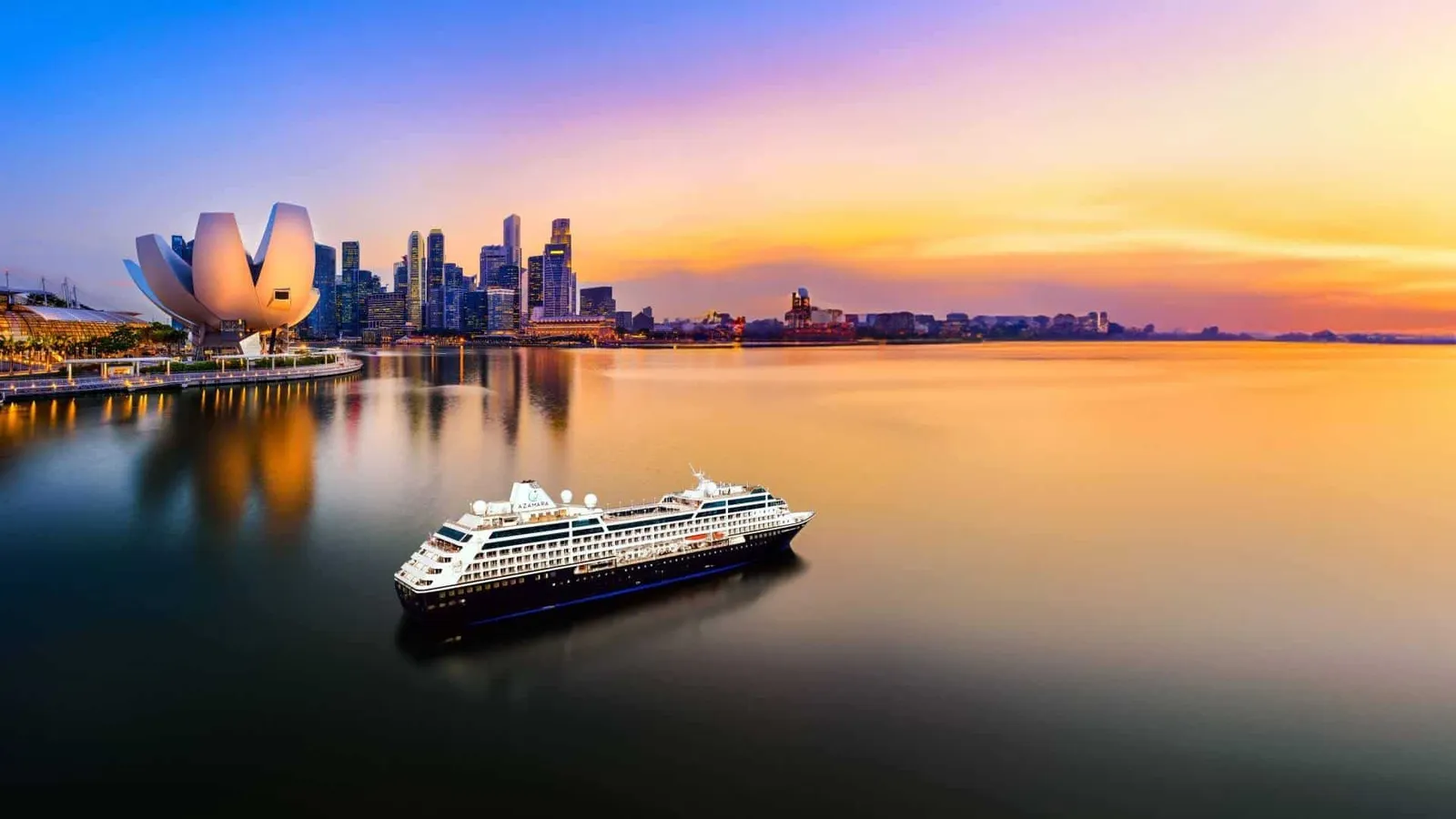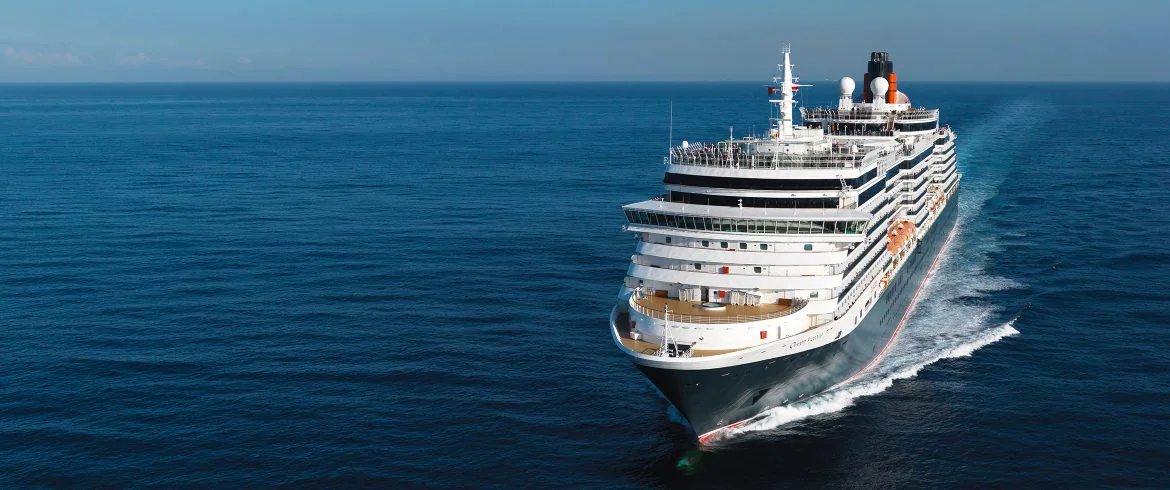
Oceania Cruises and Paul Gauguin were once siblings under Norwegian Cruise Line Holdings — now Paul Gauguin sails under Ponant ownership while Oceania remains NCLH's culinary flagship. Jake Hower compares the eight-ship global fleet against the single-ship Tahiti specialist, weighing Jacques Pépin's cuisine, French Polynesian immersion, inclusions, and value for Australian travellers.
| Oceania Cruises | Paul Gauguin | |
|---|---|---|
| Category | Luxury | Luxury |
| Rating | ★★★★☆ | ★★★★☆ |
| Fleet size | 8 ships | 1 ships |
| Ship size | Mid-size (1,000-2,500) | Small (under 500) |
| Destinations | Mediterranean, Asia, South Pacific, Caribbean | French Polynesia, South Pacific |
| Dress code | Country club casual | Resort casual |
| Best for | Food-focused culturally curious cruisers | South Pacific luxury escape seekers |
Oceania is the finest culinary cruise line at sea — Jacques Pépin's programme spans up to ten dining venues across eight ships sailing globally, with Country Club Casual elegance and the strongest per-diem value in the upper-premium segment. Paul Gauguin counters with total Polynesian immersion — a single purpose-built ship carrying 332 guests year-round through French Polynesia's shallow lagoons, with drinks included, a private island, Tahitian hosts, and watersport access no Oceania ship can match. For Australians wanting culinary breadth on classic ocean itineraries, choose Oceania. For Australians wanting the definitive South Pacific cruise with drinks flowing and lagoons lapping, choose Paul Gauguin.
The core difference
Oceania Cruises and Paul Gauguin were once corporate siblings — both operated under Norwegian Cruise Line Holdings until Ponant acquired Paul Gauguin Cruises in 2019. That shared history creates a natural comparison, but the two lines could hardly be more different in purpose, scale, or experience.
Oceania’s identity is culinary. Jacques Pépin — former personal chef to three French heads of state, author of thirty cookbooks, and Oceania’s Executive Culinary Director since 2003 — has shaped a dining programme that spans up to ten venues on the O-class ships: Jacques (French bistro), Polo Grill (steakhouse), Red Ginger (pan-Asian), Toscana (Italian), Aquamar Kitchen (wellness), and more. The $12 million Culinary Center on Vista and Allura-class ships offers hands-on cooking classes across twenty-four workstations — a professional teaching kitchen at sea. All speciality dining is included without surcharges. Eight ships carry 684 to 1,200 guests across the Mediterranean, Caribbean, Alaska, Asia, and increasingly Australian waters in a Country Club Casual atmosphere where jackets and ties are never required.
Paul Gauguin’s identity is Polynesian immersion. One ship, 332 guests, purpose-built in 1998 with a shallow draft designed specifically for French Polynesia’s lagoons and small harbours. Refurbished in 2025, the ship operates year-round from Papeete — the Society Islands, Cook Islands, Fiji, Tonga, Marquesas, and Tuamotus across seven to fourteen-night voyages. Tahitian and Polynesian cultural hosts sail on every departure, performing traditional dance, teaching pareo tying and flower crown making, and guiding guests to the private island of Motu Mahana. French-Polynesian cuisine blends local ingredients with French technique. Drinks are included throughout the voyage. The Algotherm spa draws on marine-derived treatments. Under Ponant ownership since 2019, Paul Gauguin retains its independent character while benefiting from the resources of a thirteen-ship expedition group.
For Australian travellers, the choice is rarely between these two lines on the same voyage — it is between two fundamentally different holiday types. Oceania delivers the finest restaurant experience at sea on global itineraries. Paul Gauguin delivers the most immersive French Polynesian cruise available. The question is not which is better, but which experience you are seeking.
What is actually included
Both lines market inclusivity, but the specifics differ — and the details matter for Australian wallets.
Oceania’s “Your World Included” programme covers all speciality restaurant dining without surcharges, shipboard gratuities, unlimited Wi-Fi, speciality coffees and non-alcoholic beverages, laundry services, and in-stateroom dining. Guests choose one amenity: either complimentary wine and beer by the glass during lunch and dinner, or a shore excursion credit scaled by voyage length. Premium spirits, cocktails, wines by the bottle, spa treatments, and shore excursions beyond any credit remain additional costs. The La Reserve by Wine Spectator experience carries a surcharge.
Paul Gauguin’s inclusion model is simpler and more generous on beverages. The fare covers all dining, selected wines, beer, spirits, and soft drinks throughout the voyage, watersport equipment (kayaking, paddleboarding, snorkelling from the marina), access to Motu Mahana private island, and onboard entertainment. Wi-Fi is available but bandwidth in the South Pacific is inherently limited. Gratuities are not included and are at guests’ discretion. Shore excursions beyond the standard programme are additional.
The net effect: Paul Gauguin’s drink inclusion is genuine daily value — champagne, cocktails, and wine flowing without signing from morning to night. Oceania’s included dining across up to ten venues and included gratuities are substantial. For a seven-night voyage, Paul Gauguin’s drink inclusion saves roughly AUD $700 to $1,200 per person compared to purchasing drinks on Oceania without the beverage amenity. Oceania’s included gratuities save approximately AUD $150 to $200 per person per week. The lines are closer in total value than headline fares suggest.
Dining and culinary experience
This is where the comparison is most lopsided — not in quality, but in scope. Oceania is a restaurant ship; Paul Gauguin is a destination dining experience.
Oceania is unmatched for dining variety. On O-class ships, guests choose nightly from Jacques, Polo Grill, Red Ginger, Toscana, Aquamar Kitchen, The Grand Dining Room, Terrace Café, and Waves Grill. The Vista and Allura-class ships add the Culinary Center with twenty-four cooking stations — a genuine professional teaching kitchen where guests learn regional cuisines. On R-class ships, six venues maintain Oceania’s culinary standard in a more intimate setting. Every restaurant except La Reserve is included. The breadth is unmatched in the segment.
Paul Gauguin delivers regional authenticity. L’Etoile, the main restaurant, serves French-Polynesian cuisine with locally sourced seafood, tropical fruits, and French technique. La Veranda offers casual poolside dining that converts to a more refined evening venue. The cuisine reflects where the ship sails — poisson cru with coconut milk, grilled mahi-mahi, vanilla from Taha’a — rather than attempting global breadth. The galley is French-trained, and the integration of Polynesian ingredients gives the food a sense of place that no globally deployed ship can replicate. With just 332 guests and a near 1:1 crew ratio, service is attentive and personal.
The verdict: Oceania wins overwhelmingly on variety, venue count, and the professional cooking school. Paul Gauguin wins on regional culinary immersion — when the poisson cru arrives and you can see the lagoon it came from through the restaurant window, the experience transcends what any Jacques Pépin recipe on an Oceania ship can deliver. These are complementary rather than competing culinary philosophies.
Suites and accommodation
Oceania offers more space at every category — but Paul Gauguin’s cabins are designed for a ship where life happens outdoors.
Oceania’s O-class ships offer Veranda staterooms from 282 to 291 square feet — generous for the segment. Penthouse Suites reach 440 square feet with butler service. Owner’s Suites span approximately 2,000 square feet. All feature Prestige Tranquility Beds, premium bath amenities, and twice-daily housekeeping. The R-class ships are tighter at 165 to 216 square feet in standard categories but remain functional.
Paul Gauguin’s staterooms start at approximately 200 square feet for a Porthole Stateroom, with Balcony Staterooms at roughly 249 square feet including a private balcony. The Grand Suite reaches approximately 588 square feet. Accommodation was refreshed during the 2025 refurbishment with updated soft furnishings, improved bathrooms, and modern amenities. Every cabin reflects the ship’s tropical positioning — lighter colour palettes, natural materials, and a design philosophy that assumes guests will spend the majority of their time on deck, in the water, or ashore.
The practical difference matters less than you might expect. On a Paul Gauguin voyage, you wake early to kayak in a lagoon, spend the morning on Motu Mahana, return for lunch al fresco, snorkel in the afternoon, and dine under Polynesian skies. The cabin is for sleeping and showering. On an Oceania Mediterranean voyage, sea days between ports make the stateroom a genuine living space — reading, in-suite dining, relaxing between restaurant meals. Each ship’s cabin size suits its purpose.
Pricing and value
The pricing structures reflect fundamentally different products — and comparing per-diems requires understanding what each fare actually buys.
Oceania’s per-diem on classic itineraries runs approximately AUD $600 to $800 per person per night for entry-level Veranda staterooms on O-class ships. A fourteen-night Mediterranean voyage costs roughly AUD $12,000 to $16,000 per person including gratuities, all dining, and Wi-Fi. The value proposition is consistently described as luxury dining at premium prices.
Paul Gauguin’s per-diem runs approximately AUD $700 to $1,100 per person per night depending on season, cabin category, and itinerary length. A seven-night Society Islands voyage costs roughly AUD $6,000 to $9,000 per person including drinks, watersports, and Motu Mahana. The Marquesas and Tuamotus itineraries command a modest premium. Promotional fares periodically reduce per-diems significantly.
The comparison is complicated by the fact that these lines serve different purposes. Oceania’s lower per-diem buys a classic ocean cruise with global itinerary options. Paul Gauguin’s fare buys a destination-specific immersion with included drinks, watersports, and a private island. For Australians calculating total holiday cost, Paul Gauguin’s proximity advantage matters — an eight-hour direct flight from Sydney versus twenty-plus hours to a Mediterranean embarkation port. When flights are factored in, a Paul Gauguin Tahiti week can cost less than an Oceania Mediterranean fortnight despite the higher per-diem.
Spa and wellness
Both lines offer spa facilities, but the wellness philosophies differ as much as the destinations.
Oceania’s Canyon Ranch SpaClub operates in partnership with the renowned Tucson-based wellness brand. On O-class ships, the spa spans approximately 5,000 square feet with treatment rooms, a thalassotherapy pool, steam room, sauna, and relaxation lounge. The fitness centre features Technogym equipment with ocean views. The dedicated Aquamar Kitchen restaurant extends wellness into dining with calorie-conscious menus. Canyon Ranch health consultations and nutrition counselling are available.
Paul Gauguin’s Deep Nature Spa by Algotherm draws on marine-derived ingredients suited to the tropical environment. Treatments include Polynesian-inspired rituals using monoi oil, coconut, and vanilla from the islands the ship visits. The spa is intimate — appropriate for 332 guests — with treatment rooms, a fitness centre, and a beauty salon. The real wellness on Paul Gauguin happens in the water: snorkelling in pristine lagoons, kayaking at sunrise, paddleboarding across glassy bays from the ship’s watersport marina. This active, ocean-based wellness is built into the fare at no extra cost.
Oceania wins on traditional spa scale and the Canyon Ranch partnership. Paul Gauguin wins on experiential ocean wellness — the spa is the lagoon itself.
Entertainment and enrichment
Neither line delivers production shows. Both focus on intimate evenings suited to their respective audiences.
Oceania’s enrichment programme centres on culinary education. The Culinary Center on O-class ships offers hands-on cooking classes at twenty-four workstations. Guest lecturers cover history, science, and culture. Evenings feature live piano in the Martini Bar, cocktails, and conversation. The atmosphere is quiet, social, and food-obsessed. No formal nights, no production theatre. Country Club Casual throughout.
Paul Gauguin’s enrichment is culturally immersive. Tahitian hosts — Les Gauguines and Les Gauguins — perform traditional dance, teach Polynesian arts, and serve as cultural ambassadors throughout the voyage. Local musicians board in port. Guest lecturers cover Polynesian navigation, marine ecology, and the history of French Polynesia. The private island day at Motu Mahana includes barbecue, watersports, and Polynesian cultural activities in a natural setting. Evenings feature local entertainment, cocktails under the stars, and a relaxed informality that suits the tropical setting.
The distinction is clear. Oceania makes the kitchen the stage. Paul Gauguin makes Polynesian culture the curriculum. Both deliver enrichment that is genuine rather than manufactured.
Fleet and destination coverage
This is the starkest difference — eight ships covering the globe versus one ship covering one region.
Oceania operates eight ships across two classes. The O-class (Marina, Riviera, Vista, Allura) carry 1,200 guests with the full ten-venue dining programme and Culinary Center. The R-class (Regatta, Insignia, Nautica, Sirena) carry 684 guests with six dining venues and a more intimate character. The fleet covers the Mediterranean, Caribbean, Alaska, Asia, Australia, New Zealand, South Pacific, and world voyages. Over 230 Mediterranean cruises per season alone.
Paul Gauguin is one ship. The 332-guest vessel operates year-round from Papeete across six archipelagos — the Society Islands, Tuamotus, Marquesas, Cook Islands, Fiji, and Tonga. This singular focus is both limitation and strength. No other cruise line offers the depth of French Polynesian coverage that Paul Gauguin provides, with itineraries ranging from seven-night Society Islands loops to fourteen-night Marquesas expeditions visiting some of the most remote inhabited islands on earth.
For Australians wanting a cruise line they can return to across many destinations and many years, Oceania offers vastly more flexibility. For Australians wanting the definitive South Pacific cruise — and potentially returning to explore different Polynesian archipelagos each time — Paul Gauguin offers depth no fleet of eight ships can match in that specific region.
Where each line excels
Oceania excels in:
- Culinary breadth. Up to ten complimentary dining venues spanning more cuisines than any other luxury line. The Culinary Center has no equivalent on Paul Gauguin.
- Mediterranean depth. Over 230 cruises per season with itineraries from seven to fifty-six nights and frequent overnight port stays.
- Classic ocean cruising. Sea days, multiple restaurant choices, in-stateroom dining, and the Country Club Casual atmosphere define the category.
- Value positioning. The lowest per-diem of any luxury line with this calibre of dining — consistently the best value in the segment.
- Fleet flexibility. Eight ships across global itineraries mean more choices on dates, durations, and destinations year-round.
Paul Gauguin excels in:
- French Polynesian immersion. Year-round from Papeete across six archipelagos with Tahitian cultural hosts, a private island, and twenty-five-plus years of regional expertise.
- Included drinks. Wine, beer, spirits, and selected cocktails included in the fare — genuine daily value that simplifies budgeting.
- Watersport access. Kayaking, paddleboarding, and snorkelling from the ship’s marina platform — included in the fare and available at nearly every port.
- Proximity to Australia. Eight-hour direct flight from Sydney to Papeete. No twenty-hour positioning flights required.
- Shallow-draft access. Purpose-built to enter lagoons and harbours that deeper-draft ships cannot reach — unlocking the true French Polynesia.
Standout itineraries for Australian travellers
Oceania
Riviera: Sydney to Bali (14 nights, seasonal) — Oceania’s Australian departure sailing. Departs Sydney via Brisbane, Cairns, and Darwin to Bali. No international flights for the embarkation. Ten dining venues and the Jacques Pépin culinary programme throughout.
Regatta: Mediterranean Grand Voyage (28–42 nights, combinable segments) — The best Oceania experience for food-motivated Australians. Sea days between Mediterranean ports allow proper exploration of all dining venues. Included Wi-Fi, gratuities, and laundry make extended voyages practical.
Paul Gauguin
Society Islands and Tuamotus (10 nights, year-round, roundtrip Papeete) — The signature itinerary combining Moorea, Bora Bora, Taha’a, and Rangiroa with the private island of Motu Mahana. Air Tahiti Nui direct from Sydney. Drinks included. Watersports at every anchorage.
Marquesas, Tuamotus and Society Islands (14 nights, seasonal, roundtrip Papeete) — The expedition-style itinerary visiting some of the most remote inhabited islands in the Pacific. Nuku Hiva, Hiva Oa (Gauguin’s final home), Fakarava, and Rangiroa. For Australians wanting the deeper Polynesia beyond the resort islands.
Cook Islands and Society Islands (11 nights, seasonal, roundtrip Papeete) — Extends into the Cook Islands with Aitutaki and Rarotonga alongside the classic Society Islands stops. A rare luxury ship deployment to the Cooks.
Ship-by-ship recommendations
Oceania
Riviera or Marina (1,200 guests) — The flagship experience with all ten dining venues, the Culinary Center, and Canyon Ranch SpaClub. Start here for the definitive Oceania voyage. Riviera deploys to Australian waters — the easiest entry point.
Regatta or Insignia (684 guests) — The most intimate Oceania ships. Fewer dining venues but a devoted following. Best suited to travellers who want the culinary standard with a smaller ship feel.
Vista or Allura (1,200 guests) — The newest ships with the $12 million Culinary Center featuring twenty-four cooking stations. Worth watching for introductory pricing and the latest design refinements.
Paul Gauguin
Paul Gauguin (332 guests, refurbished 2025) — There is only one ship, and it is purpose-built for exactly what it does. The 2025 refurbishment refreshed interiors while maintaining the ship’s character. The seven-night Society Islands itinerary is the ideal introduction. The fourteen-night Marquesas voyage is for the committed Polynesia enthusiast. Both are excellent.
For Australian travellers specifically
Both lines are accessible from Australia, but the logistics differ dramatically.
Paul Gauguin’s accessibility from Australia is exceptional. Air Tahiti Nui operates direct Sydney to Papeete flights in approximately eight hours — roughly the same as flying to Bali. Every sailing departs year-round from Papeete with no positioning required. For east coast Australians, a Friday departure from Sydney puts you in Papeete Saturday morning, boarding Paul Gauguin by afternoon. The total travel time is among the shortest for any luxury cruise from Australia. Auckland also connects to Papeete, offering a second gateway for Australian travellers.
Oceania’s Australian presence operates through the Norwegian Cruise Line Holdings Sydney office. Riviera’s Australian debut for 2025–2026 signals growing commitment, with Sydney departures to New Zealand, Bali, and the South Pacific. Oceania’s strength for long-haul Australian travellers is the Mediterranean programme — accessible via Qantas, Emirates, or Singapore Airlines from Australian gateways, though requiring twenty-plus hours of travel.
The loyalty pathway matters. Oceania’s Club integrates with Norwegian Cruise Line Holdings — status earned on Norwegian or Regent carries to Oceania. Paul Gauguin, now under Ponant ownership, sits within the Ponant Yacht Club programme with cross-brand status matching across Ponant Explorations, Paul Gauguin Cruises, and Aqua Expeditions. For Australians building luxury cruise loyalty, Oceania leads toward Regent Seven Seas (ultra-luxury ocean); Paul Gauguin leads toward Ponant expedition (Kimberley, Antarctica, Arctic).
The onboard atmosphere
The cultural feel of these ships is entirely different — and choosing correctly on atmosphere matters.
Oceania’s atmosphere is the Country Club. The passenger base skews 55–70, predominantly American and Canadian with growing Australian representation. Country Club Casual dress throughout — slacks, polo shirts, sundresses. No formal nights. The evening energy is conversational and quiet: jazz in the Martini Bar, a lingering dinner in Jacques, aperitifs in the library. The mid-size format means familiar faces without crowding. There is a casino.
Paul Gauguin’s atmosphere is island resort afloat. The passenger mix is international — North American, Australian, European, and French travellers drawn to the South Pacific. The dress code is resort casual bordering on barefoot. The mood is relaxed, sun-drenched, and romantic. Les Gauguines perform traditional dance on the pool deck. Cocktails flow freely from the included bar. The private island day at Motu Mahana — barbecue on the beach, snorkelling in warm lagoons, hammocks under palms — sets a tone that carries throughout the voyage. Average age skews slightly younger than Oceania, with honeymooners and anniversary couples alongside experienced travellers. The pace is deliberately unhurried.
The bottom line
Oceania and Paul Gauguin are not competing for the same guest — they are solving different travel problems, and the choice reveals your priorities rather than your budget.
Choose Oceania for the finest culinary cruise experience at a competitive per-diem. Choose it for up to ten dining venues, a professional cooking school, classic global itineraries, and a relaxed English-speaking atmosphere where the food is the centrepiece. Choose it for larger staterooms, the Canyon Ranch spa partnership, and the breadth of eight ships covering every major cruise region. Accept that the fleet has no Polynesian specialist, that drinks require the beverage amenity, and that reaching Mediterranean embarkation ports from Australia involves serious flying.
Choose Paul Gauguin for the definitive French Polynesian immersion. Choose it for a purpose-built ship that enters lagoons deeper-draft vessels cannot reach, Tahitian cultural hosts who bring Polynesia alive, a private island barbecue, watersports from the marina, and drinks included throughout. Choose it for the eight-hour direct flight from Sydney — among the shortest travel times to any luxury cruise from Australia. Accept that there is one ship, one region, two dining venues, and limited cabin space by Oceania standards.
For Australian travellers with the appetite for both, the ideal combination is an Oceania Mediterranean for culinary depth followed by a Paul Gauguin Tahiti for island immersion. The flights connect logically, the experiences complement perfectly, and the loyalty pathways — NCLH and Ponant respectively — both reward the investment.