Ponant and Silversea are the two luxury lines Australian travellers most frequently weigh against each other — both operate dual fleets spanning ocean voyages and genuine expedition cruising, both reach Antarctica and the Kimberley, and both include champagne, fine dining, and expert-led excursions. Jake Hower compares their fleets, inclusions, cuisine, expedition capability, and total value for Australians.
| Ponant | Silversea Cruises | |
|---|---|---|
| Category | Luxury / Expedition | Expedition / Ultra-Luxury |
| Rating | ★★★★★ | ★★★★★ |
| Fleet size | 13 ships | 12 ships |
| Ship size | Small (under 500) | Small (under 1,000) |
| Destinations | Antarctica, Mediterranean, Arctic, South Pacific | Mediterranean, Antarctica, Asia-Pacific, Arctic |
| Dress code | Smart casual | Casual elegance |
| Best for | French-inspired luxury expedition travellers | Ultra-luxury all-inclusive travellers |
Ponant delivers the largest luxury expedition fleet afloat — thirteen ships, the world's only luxury PC2 icebreaker, Ducasse-trained French cuisine, an included open bar with Henri Abelé champagne, the Blue Eye underwater lounge, and sixteen Kimberley sailings per season. Silversea counters with the broadest dual-fleet luxury programme — brand-new Nova-class ocean ships, four expedition vessels with butler service in every suite, the S.A.L.T. culinary programme, a dedicated Galapagos ship, and 23+ Australian sailings annually. For Australians wanting French culinary finesse, the deepest polar penetration, and waived solo supplements, choose Ponant. For Australians wanting universal butler service, brand-new ocean ships, English-language expedition excellence, and cross-brand loyalty with Royal Caribbean, choose Silversea.
The core difference
Ponant and Silversea are the two luxury cruise lines that most Australian travellers compare when they want both refined ocean cruising and genuine expedition capability from a single brand. Both operate dual fleets. Both reach Antarctica and the Kimberley. Both include champagne in the fare. But the philosophies behind these two companies — and the practical experience aboard their ships — are fundamentally different.
Ponant is French expedition heritage at scale. Founded in 1988 by Jean-Emmanuel Sauvée and twelve merchant navy officers, the line was rebranded as Ponant Explorations Group in March 2025 and now operates thirteen ships — from the 32-guest sailing yacht Le Ponant to the 245-guest Le Commandant Charcot, the only luxury icebreaker afloat with PC2 ice class capable of reaching the Geographic North Pole. Owned by Groupe Artémis (the Pinault family investment holding that also controls Kering, Christie’s, and Chateau Latour), Ponant is unambiguously French — in language, culinary philosophy, and passenger mix. The Ducasse Conseil culinary partnership brings Michelin-star heritage to the fleet. The open bar pours Henri Abelé champagne. Announcements are delivered in French first, then English. Six Explorer-class ships carry the Blue Eye underwater multi-sensory lounge — a feature without equivalent on any other cruise ship. The fleet deploys simultaneously across eight to ten regions with over three hundred departures per year. The Ponant Explorations Group also encompasses Paul Gauguin Cruises and Aqua Expeditions, creating the world’s largest luxury exploration travel group.
Silversea is Italian ultra-luxury that expanded into world-class expedition capability. Founded in 1994 by the Lefebvre D’Ovidio family in Rome, the line was built on the promise of butler service in every suite — a commitment that extends across all twelve ships. Acquired by Royal Caribbean Group (initial stake 2018, full ownership 2020), Silversea now operates an eight-ship ocean fleet anchored by the brand-new Nova-class Silver Nova and Silver Ray, alongside four expedition ships: the flagship Silver Endeavour (200 guests, PC6 ice class), Silver Cloud (240–254 guests), Silver Wind (274 guests), and the Galapagos-dedicated Silver Origin (100 guests). The S.A.L.T. culinary programme on ocean ships offers destination-changing menus and cooking classes that no competitor matches. The expedition fleet carries up to twenty-eight specialists per voyage with the best guide-to-guest ratio in the industry.
The comparison is richer than most because it spans both worlds. On the ocean side, Silversea’s Nova-class ships are the newest ultra-luxury vessels afloat, while Ponant’s Explorer-class ships double as ocean and expedition vessels with more intimate scale. On the expedition side, Ponant’s Charcot reaches destinations no Silversea ship can approach, while Silversea’s Silver Endeavour carries a larger expedition team and offers every guest butler service regardless of suite category. For Australian travellers, the choice is not which line is better — it is which combination of luxury philosophy, expedition ambition, and practical accessibility matters most.
What is actually included
Both lines market all-inclusive fares, but the specifics diverge in ways that affect total cost — particularly for Australian travellers budgeting in AUD.
Ponant’s inclusion model is genuinely comprehensive. All dining across two to three restaurants is included without surcharges — including the Ducasse-trained Nuna restaurant on Le Commandant Charcot, which would justify a supplement based on pedigree alone. An open bar operates at all hours: beer, wine, spirits, Henri Abelé Brut Champagne (a genuine Maison de Champagne dating to 1757), cocktails, soft drinks, mineral water, coffee, and tea. The minibar is restocked daily in every stateroom. Unlimited Wi-Fi is included (Starlink-enhanced on Charcot, satellite VSAT on other ships). All Zodiac excursions and shore landings led by the expedition team are included. A complimentary polar parka (Ponant-branded, yours to keep) is provided on polar voyages. Waterproof expedition boots are loaned for the duration of polar voyages at no charge. Port taxes and fees are covered. On most Antarctic Peninsula sailings, an overnight hotel stay in Buenos Aires and a charter flight from Buenos Aires to Ushuaia are included — a significant logistical and financial benefit. What is not included: gratuities (voluntary but expected, approximately EUR 10–12 per person per day), spa treatments, optional activities at extra cost on select itineraries, personal laundry, and a small selection of ultra-premium wines.
Silversea’s inclusion model adds several elements that Ponant does not. Butler service is included in every suite category on every ship — even the entry-level Classic Veranda Suite on both ocean and expedition vessels. Gratuities are fully included in the fare. All dining is included on ocean ships except La Dame (USD 60 per person supplement) and Kaiseki (USD 40–80 per person on Nova-class). On expedition ships, La Dame carries the same supplement. The open bar covers champagne, wines, spirits, beer, soft drinks, water, and juices, with the minibar restocked daily. Wi-Fi is complimentary. A polar parka is gifted on polar voyages. Kayaking equipment is provided at no charge on expedition ships. A door-to-door transfer programme (via Blacklane partnership) provides private chauffeured transport up to 50 miles from home to the airport or port — included on all full-fare bookings and available in Australian cities. Under the All-Inclusive Plus fare, charter flights, pre/post hotel stays, and transfers are bundled. The S.A.L.T. culinary programme on ocean ships — including cooking classes, destination-specific menus, and culinary shore excursions — is included. What is not included: La Dame and Kaiseki supplements, boot rental on expedition ships (USD 98 per cruise plus USD 100 refundable deposit), waterproof pants rental, spa treatments, medical centre consultations, and laundry (complimentary after 100 Venetian Society days).
The boot inclusion is a notable point of difference. Ponant loans waterproof expedition boots at no charge on polar voyages — guests simply collect them onboard and return them at voyage end. Silversea charges USD 98 per cruise for boot rental plus a USD 100 refundable deposit. On a supposedly ultra-luxury all-inclusive product, charging nearly USD 100 for essential expedition equipment is a consistent point of criticism from guests and advisors alike.
Gratuities create a cost gap. Ponant’s voluntary gratuities (suggested at approximately EUR 10–12 per person per day) add roughly AUD 250–350 per person on a twelve-night voyage. Silversea includes all gratuities in the fare. This is a genuine financial advantage for Silversea, though Ponant’s technically voluntary approach means guests can choose their own level.
The net effect: Silversea’s fare covers butler service, gratuities, and door-to-door transfers that Ponant charges separately or does not offer. Ponant’s fare includes boots, the Buenos Aires hotel and charter flight, and surcharge-free dining at every venue. Both include parka, open bar, all expedition activities, and Wi-Fi. Silversea’s universal butler service and included gratuities give it a slight edge in all-inclusive completeness on expedition ships, while Ponant’s boot inclusion and Buenos Aires logistics are practical advantages for Antarctic-bound travellers.
Dining and culinary experience
Both lines deliver culinary standards that sit at the top of the luxury cruise market — but they approach dining through fundamentally different cultural lenses, and the comparison now spans ocean ships as well as expedition vessels.
Ponant’s culinary programme is anchored by French heritage. On Explorer-class ships, Le Nautilus serves a la carte four-course dinners with amuse-bouche and regional French wines. Le Nemo offers poolside casual dining. The bread and pastries are consistently described as boulangerie-quality — genuine French bakery production each morning. The wine list is curated with French specificity, and the included Henri Abelé champagne elevates every evening. On Le Commandant Charcot, dining reaches another level entirely through the Ducasse Conseil partnership — the consulting arm of Alain Ducasse, whose name ranks among the most decorated in world gastronomy. The flagship Nuna restaurant features Bernardaud porcelain, Ligne Roset furniture, and menus including soft-boiled eggs with caviar and saffron fettuccine with seafood. Pierre Hermé macarons and Kaviari caviar appear across the fleet. A French cheese course at dinner is standard. All dining is included without surcharges on every Ponant ship. The culinary experience is a genuine destination in itself — particularly on Charcot, where Nuna is cited as one of the finest restaurants at sea.
Silversea’s dining offers more venues, more variety, and the unique S.A.L.T. programme on ocean ships. Silver Endeavour features six dining options: The Restaurant (main dining, open seating), La Dame (fine French, twenty-seat capacity, USD 60 per person supplement), Il Terrazzino (Italian, handmade pastas), The Grill (poolside), Arts Cafe (casual), and twenty-four-hour in-suite dining via butler. On the ocean fleet, Nova-class ships add the S.A.L.T. programme: S.A.L.T. Kitchen serves menus that change at every destination — the only restaurant at sea to do this. S.A.L.T. Lab offers hands-on cooking classes teaching regional techniques. S.A.L.T. Bar serves regionally crafted cocktails. S.A.L.T. Shore provides culinary excursions to local markets, vineyards, and artisan producers. Atlantide serves refined global fare. Kaiseki on Nova-class ships features Japanese fine dining (USD 40–80 per person supplement). The in-suite dining experience is elevated by butler service — white tablecloth, proper service, a genuine alternative to the restaurants on any evening.
The La Dame supplement is a persistent point of critique. At ultra-luxury pricing with an all-inclusive marketing promise, charging USD 60 per person for the fine French restaurant strikes many guests and advisors as incongruous — particularly when Ponant’s Nuna on Charcot, which could justify a supplement based on Ducasse pedigree alone, is included without surcharge.
The cultural distinction matters. Ponant’s cuisine is French in execution — French chefs, French technique, French ingredients where possible. The experience is at its best on French-majority sailings where the kitchen operates in its natural orientation. Silversea’s cuisine is international with Italian influences on expedition ships and destination-driven through the S.A.L.T. programme on ocean ships — broader in scope, reliable across nationalities, and offering a culinary immersion concept that Ponant does not attempt. For food-motivated travellers who value focused French culinary excellence and the Ducasse pedigree, Ponant. For those who want reliable variety, more dining venues, and the S.A.L.T. culinary immersion experience, Silversea.
Suites and accommodation
Both lines offer all-suite or all-balcony accommodation, but the comparison now spans two very different fleet types — Ponant’s expedition-focused cabins and Silversea’s purpose-built ocean suites alongside its expedition ships.
Ponant’s Explorer-class staterooms are compact by luxury standards — the Prestige Stateroom starts at approximately 200 square feet of interior with a 43-square-foot balcony. All ninety-two staterooms have private balconies. Deluxe Suites offer roughly 290 square feet, Privilege Suites 390 square feet, and the Owner’s Suite tops at approximately 580 square feet interior with an 85-square-foot balcony. Butler service is available only from Privilege Suite level upward. On Le Commandant Charcot, the accommodation is substantially more generous: Prestige Staterooms start at 215 square feet with a 53-square-foot balcony, and the Duplex Suite (1,010 square feet interior plus 280-square-foot terrace with Jacuzzi, separate dining room seating six) and Owner’s Suite (1,240 square feet interior plus a remarkable 2,000-square-foot private terrace with Jacuzzi) are the most extravagant suites in the entire expedition cruise industry.
Silversea’s Silver Endeavour suites start larger than Ponant’s Explorer-class. The Classic Veranda Suite offers 304 square feet of interior with a 50-square-foot balcony — over fifty per cent more interior space than Ponant’s entry-level Explorer-class stateroom. Silver Suites step up to 457 square feet. The 2023 refit added Signature Suites (721–850 square feet) and Master Suites (1,163 square feet interior with 312-square-foot balcony and 270-degree panoramic glazing). On the ocean side, Nova-class entry-level Classic Veranda Suites offer approximately 357 square feet including a 60-square-foot veranda — competitive with any ultra-luxury line. The Otium Suite on Nova-class spans 1,324 square feet with a 431-square-foot balcony and a complimentary spa treatment.
The critical amenity difference is butler service. Every suite on every Silversea ship — from the 304-square-foot Classic Veranda to the Owner’s Suite, on both expedition and ocean ships — receives butler service. Butlers manage in-suite dining with white tablecloth service, restock the customised minibar daily, assist with unpacking and packing, handle laundry, make dining reservations, and respond to personal requests. On Ponant, butler service is reserved for top-tier suites only. For travellers who value personalised service as part of the daily rhythm — returning from a morning Zodiac landing to find the suite refreshed, hot drinks prepared, and wet gear managed — Silversea’s universal butler service is a genuine differentiator.
The balcony debate in expedition context: On a polar expedition, a private balcony becomes your own private Antarctica at 2 AM — watching icebergs drift past in the midnight light from the warmth of your suite. Both lines offer all-balcony accommodation on their primary expedition ships. Ponant’s Explorer-class balconies at 43 square feet are functional; Silversea’s at 50 square feet on Silver Endeavour offer slightly more space. The real spectacle is on Charcot, where the Owner’s Suite terrace at 2,000 square feet is essentially a private deck overlooking polar ice.
Solo travellers should note that Ponant has waived the single supplement on over 160 voyages — an industry-leading initiative for solo expedition travellers. Silversea’s standard solo supplement is 25 per cent above double-occupancy fare, with promotional reductions to 10 per cent or occasionally zero on select sailings. For solo travellers, Ponant’s policy is substantially more favourable.
Pricing and value
Both lines sit at the top of the luxury cruise market, and pricing reflects the positioning of each — but the structures create different total cost outcomes depending on whether you are comparing ocean or expedition products.
Ponant’s pricing varies by ship class and destination. Explorer-class Antarctic Peninsula sailings (ten to eleven nights) start from approximately AUD 11,000 to 13,000 per person for an entry-level Deluxe Stateroom with balcony, typically including the Buenos Aires hotel night and charter flight to Ushuaia. Le Commandant Charcot Antarctic voyages (Emperor Penguins of the Weddell Sea, approximately fourteen nights) start from approximately AUD 18,000 to 22,000 per person. Charcot North Pole sailings (approximately fifteen nights from Longyearbyen) start from approximately USD 46,450 per person. Kimberley Fly, Stay & Cruise packages start from approximately AUD 13,670 per person including return flights from Australian and New Zealand cities. Mediterranean sailings on Explorer-class ships run approximately AUD 7,500 to 9,200 for shorter voyages. The Ponant Bonus early-booking discount of up to thirty per cent off the reference fare substantially improves value for planners willing to commit early.
Silversea’s pricing sits at a premium for expedition, with competitive ocean fleet options. Silver Endeavour Antarctic Peninsula fly-cruise (six nights) starts from approximately USD 16,100 per person for a Classic Veranda in double occupancy. Silver Origin Galapagos (seven days) starts from approximately USD 11,600 per person. On the ocean side, Nova-class Mediterranean sailings run approximately AUD 780 to 1,200 per person per night. Australian and New Zealand sailings run approximately AUD 780 to 1,200 per person per night. Promotional pricing can drop to AUD 140 per day on repositioning sailings.
For a direct Antarctic comparison in AUD terms: Ponant’s Explorer-class entry-level cabin for a ten to eleven-night Antarctic Peninsula sailing costs approximately AUD 11,000 to 13,000 per person, typically including the Buenos Aires hotel and Ushuaia charter flight. Add voluntary gratuities (approximately AUD 250–350) for total cost around AUD 11,500 to 13,500. Silversea’s comparable traditional Antarctic Peninsula sailing on Silver Endeavour starts higher but includes butler service, all gratuities, and the door-to-door transfer from home — though boots cost an additional USD 98 per person. The per-night cost favours Ponant at entry level, but Silversea’s inclusions bridge some of the gap.
The Charcot factor sits entirely outside this comparison. No Silversea ship can reach where Charcot goes — the Geographic North Pole, the deep Weddell Sea, Peter I Island, the East Antarctic coast. The pricing premium for Charcot reflects a product that has no competitor. Travellers choosing between Charcot and Silversea are not making a value comparison — they are choosing between a once-in-a-lifetime deep-ice expedition and a superb luxury Antarctic cruise.
Solo supplement comparison: Ponant’s waived single supplement on over 160 voyages — including many Antarctic and Arctic sailings — is a major advantage for solo expedition travellers. At Silversea’s standard 25 per cent supplement (even reduced to 10 per cent on select sailings), a solo traveller on Silver Endeavour pays meaningfully more than on a Ponant Explorer-class ship. For the growing solo expedition market, this pricing difference alone could determine the choice.
Spa and wellness
Different approaches reflecting different fleet philosophies — and Silversea’s Nova-class ocean ships bring a spa concept that Ponant’s expedition-focused fleet does not attempt.
Ponant’s signature wellness experience is the Blue Eye underwater lounge on all six Explorer-class ships — two whale-eye-shaped glass portholes below the waterline, hydrophones capturing ocean acoustics across a three-mile radius, and Body Listening Sofas that vibrate with underwater sounds. It is not a spa in the traditional sense but a unique wellness-adjacent experience without equivalent in the cruise industry. Explorer-class ships offer compact spas with massage cabins and a hammam. On Le Commandant Charcot, the Nuan Wellness Lounge features Biologique Recherche treatments, the Ikuma sauna, the Siku snow room, and the Blue Lagoon heated outdoor pool — where guests swim surrounded by polar ice in one of the most extraordinary wellness settings afloat.
Silversea’s Otium Spa on Nova-class ships (Silver Nova, Silver Ray) draws from the Roman concept of otium — leisure devoted to intellectual and physical well-being. The 3,638-square-foot spa includes an indoor relaxation pool, eight treatment rooms (including two Otium rooms with experiential showers), gender-separated steam and sauna rooms, and floor-to-ceiling ocean views. Products are by ESPA, 111SKIN, and Pisterzi. Otium Suite guests receive a complimentary treatment valued at up to USD 399 per person. On expedition ships, spa facilities are more compact, comparable to Ponant’s Explorer-class.
Ponant offers the more experiential wellness — swimming in a heated pool surrounded by Antarctic ice, listening to whale song through the hull via the Blue Eye. Silversea’s Otium concept on Nova-class ships is the more comprehensive spa product. Neither line is a spa destination in the way Regent or Seabourn positions itself, but Ponant’s unique experiences and Silversea’s purpose-built Otium facilities both elevate the wellness offering above the expedition norm.
Entertainment and enrichment
Both lines reject production entertainment in favour of destination-focused enrichment — but their approaches differ, and the comparison gains depth when you consider the full fleet picture.
Ponant’s enrichment programme draws on three major institutional partnerships. The Explorers Club partnership (expanded late 2025) places scientists, filmmakers, authors, photographers, and explorers on twenty-one or more voyages globally — with speakers including mountaineer Peter Hillary and filmmaker John Heminway. Smithsonian Journeys (fourth consecutive year, with thirty-five ocean cruise departures planned for 2027) brings geologists, museum curators, and archaeologists. National Geographic branding appears on select Le Commandant Charcot voyages. These partnerships are event-driven — a specific sailing with an Explorers Club speaker creates a marquee voyage that is qualitatively different from a standard departure. On Charcot, citizen science is most active: guests participate in data collection, ice floe research station setup, Argos satellite transmitter deployment, microplastic sampling, and algae cataloguing alongside visiting scientists. The Blue Eye underwater lounge on Explorer-class ships is a genuinely unique enrichment experience — the hydrophones, the Body Listening Sofas vibrating with underwater acoustics, and the blue-lit space below the waterline create a contemplative encounter with the marine environment that no competitor offers. Evening entertainment is a musical duo, cocktails, and the Soirée Blanche (White Party) on warm-climate sailings.
Silversea’s enrichment programme is more structurally consistent across both fleets. Every expedition voyage carries a substantial specialist team (up to twenty-eight on Silver Endeavour) delivering daily lectures, briefings, and evening recaps. The Royal Geographical Society partnership provides bespoke scientific and historical content curated specifically for each voyage route — not generic presentations but itinerary-specific enrichment drawing on RGS archival material and expertise. On the ocean fleet, the S.A.L.T. programme extends enrichment into culinary territory: cooking classes in the S.A.L.T. Lab, food-focused shore excursions through S.A.L.T. Shore, and destination lectures connecting cuisine to culture. Port talks, cultural workshops, and production shows in the multi-deck Show Lounge round out the ocean offering. There is no casino on expedition ships (there is on select ocean ships).
The distinction: Ponant’s partnerships create peaks — a sailing with a National Geographic photographer or an Explorers Club mountaineer is a genuinely elevated experience. But between those marquee departures, the standard enrichment programme is solid rather than exceptional, with smaller expedition teams (ten to twelve guides versus Silversea’s twenty to twenty-eight). Silversea’s enrichment is more consistently excellent across every sailing — the depth of the expedition team ensures strong daily programming regardless of departure date, and the S.A.L.T. concept on ocean ships adds a culinary dimension that Ponant’s ocean voyages do not match. For travellers who book specific dates for specific speakers, Ponant. For travellers who want guaranteed enrichment depth on any departure, Silversea.
Fleet and destination coverage
Fleet size shapes destination coverage, and the two lines have taken fundamentally different approaches — Ponant with expedition breadth, Silversea with a balanced dual-fleet strategy.
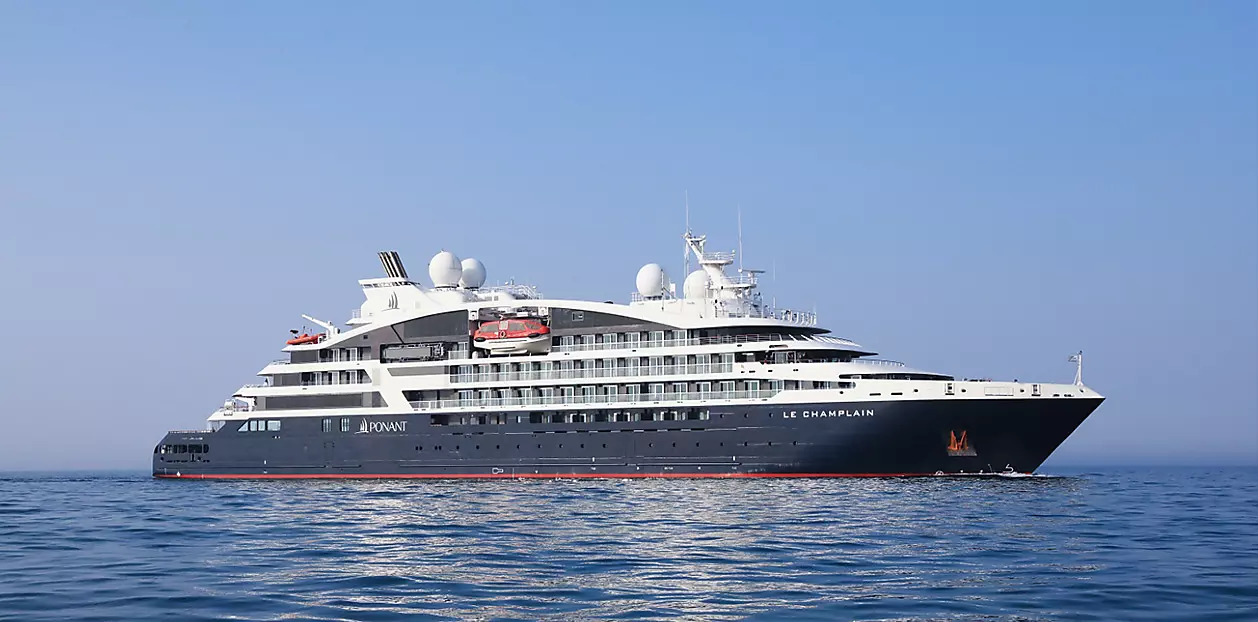
Ponant operates thirteen ships across five classes, making it the largest small-ship expedition fleet in the luxury segment. Le Commandant Charcot (2021, 245 guests Arctic / 200 Antarctic, PC2 ice class, 31,757 GT) is the crown jewel — the world’s first and only luxury passenger vessel with Polar Class 2 hull, capable of breaking through multi-year ice up to 2.5 metres thick. Six Explorer-class ships (2018–2020, 184 guests each, Ice Class 1C) are identical sisters featuring the Blue Eye underwater lounge. Four Boreal-class ships (2010–2015, 264 guests each, Ice Class 1C) are the oldest in the fleet. The sailing yacht Le Ponant carries 32 guests on warm-water itineraries. The Paspaley Pearl superyacht (30 guests) operates Kimberley and Raja Ampat voyages. Expedition coverage spans Antarctica, the Arctic, the Kimberley (sixteen sailings per season), French Polynesia (year-round via Paul Gauguin and Explorer-class ships), Papua New Guinea, the Mediterranean, Northern Europe, Caribbean, Alaska, Japan, and Central America. Over three hundred departures annually across 600+ destinations.
Silversea operates twelve ships across two divisions. The ocean fleet comprises Silver Nova (2023, 728 guests), Silver Ray (2024, 728 guests), Silver Dawn (2022, 596 guests), Silver Moon (2020, 596 guests), Silver Muse (2017, 596–632 guests), Silver Spirit (2009, 608 guests), Silver Shadow (2000, 382 guests), and Silver Whisper (2001, 392 guests). The expedition fleet comprises Silver Endeavour (2021, 200 guests, PC6 ice class), Silver Cloud (1994/converted 2017, 240–254 guests), Silver Wind (1995/converted 2021, 274 guests), and Silver Origin (2020, 100 guests, Galapagos-only). The ocean fleet deploys to the Mediterranean (102 voyages in 2026 alone), Australia and New Zealand (23+ seasonal sailings), Asia-Pacific, Alaska, Caribbean, and around-the-world. The expedition fleet covers Antarctica (approximately 38–40 voyages per season across three ships), the Arctic (21 voyages for 2026), Galapagos (year-round), the Kimberley (seven sailings from May to August 2026), and select warm-water expedition destinations.
Destination exclusives: Ponant offers French Polynesia year-round — Silversea has no equivalent. Silversea offers the Galapagos year-round via Silver Origin, the only purpose-built luxury expedition ship dedicated exclusively to the archipelago — Ponant has no Galapagos presence. Ponant reaches the Geographic North Pole, the deep Weddell Sea, and Peter I Island via Charcot — destinations no Silversea ship can approach. Silversea offers a fly-cruise programme that bypasses the Drake Passage entirely — Ponant does not.
The ice class comparison is critical. Le Commandant Charcot at PC2 is in a class entirely its own. However, Ponant’s remaining fleet at Ice Class 1C is actually below Silversea’s Silver Endeavour at PC6. This means Silver Endeavour can handle heavier ice conditions than any Ponant ship except Charcot — a meaningful advantage for travellers booking standard Antarctic Peninsula or Arctic itineraries.
Where each line excels
Ponant excels in:
- Expedition fleet breadth. Thirteen ships covering Antarctica, the Arctic, the Kimberley, French Polynesia, Papua New Guinea, and beyond — the most extensive luxury expedition programme available.
- Deep polar capability. Le Commandant Charcot reaches the Geographic North Pole, deep Weddell Sea emperor penguin colonies, and Peter I Island — destinations available on no other luxury ship.
- French culinary excellence. Ducasse Conseil-trained kitchens, boulangerie-quality bread, Pierre Hermé macarons, Kaviari caviar, and an included open bar with Henri Abelé champagne.
- The Blue Eye underwater lounge. A Jacques Rougerie-designed space below the waterline with hydrophones and Body Listening Sofas — entirely unique in the cruise industry.
- Kimberley depth. Sixteen sailings per season with Fly, Stay & Cruise packages from Australian capitals — the most extensive Kimberley programme of any luxury line.
- Solo traveller value. Waived single supplement on over 160 voyages — the best solo policy in luxury expedition cruising.
- Institutional partnerships. The Explorers Club, National Geographic, and Smithsonian Journeys create marquee voyages with world-class speakers.
Silversea excels in:
- Universal butler service. Every suite on every ship — expedition and ocean — receives dedicated butler service regardless of category. No other line matches this.
- Ocean fleet modernity. Silver Nova and Silver Ray are the newest ultra-luxury ships afloat, with asymmetric design, the S.A.L.T. programme, and the Otium spa concept.
- S.A.L.T. culinary programme. Destination-changing menus, cooking classes, culinary excursions, and regionally crafted cocktails — a multi-platform culinary immersion concept unique in the industry.
- Expedition team depth. Up to twenty-eight specialists on Silver Endeavour with a 1:7 guide-to-guest ratio — among the highest in expedition cruising.
- English-language expedition. All briefings, lectures, and safety instructions delivered in English without bilingual delay.
- Galapagos exclusivity. Silver Origin is the only purpose-built luxury expedition ship dedicated year-round to the Galapagos — Ponant has no equivalent.
- Australian accessibility. Twenty-three-plus sailings from Australian ports annually on the ocean fleet, plus Kimberley expeditions. More Australian departures than any other ultra-luxury line.
- Cross-brand loyalty. Venetian Society status matches one-for-one with Royal Caribbean and Celebrity Cruises — a three-brand ecosystem for frequent cruisers.
Standout itineraries for Australian travellers
Ponant
Le Jacques Cartier: Kimberley (10 nights, May–September 2026, Broome to Darwin) — Sixteen sailings with Fly, Stay & Cruise packages from approximately AUD 13,670. Return flights from Australian and New Zealand cities, one-night hotel, and all-inclusive expedition cruise. Explorer-class with Blue Eye underwater lounge, Zodiac fleet, and French cuisine. King George Falls, Montgomery Reef, Indigenous cultural encounters. The most departure dates of any luxury Kimberley programme.
Le Commandant Charcot: Emperor Penguins of the Weddell Sea (approximately 14 nights from Punta Arenas) — From approximately AUD 18,000 to 22,000 per person. PC2 ice class penetrates deep Weddell Sea pack ice to approach Snow Hill Island emperor penguin colonies — an experience available on no other luxury ship. Nuna restaurant, scientific programme, helicopter scouting. Fly Sydney to Santiago to Punta Arenas (approximately eighteen hours total).
Le Commandant Charcot: Antarctica Circumnavigation (62 nights, departing Ushuaia 11 January 2028) — The first-ever full circumnavigation of Antarctica. From approximately USD 147,360 per person. The Hobart arrival segment connects directly with Australia — the most ambitious Australian polar itinerary of the decade.
Le Jacques Cartier: French Polynesia (7–14 nights, roundtrip Papeete, September 2026–March 2027) — Society Islands, Tuamotu, Marquesas, Cook Islands, Fiji, and Tonga. Air Tahiti Nui flies direct Sydney to Papeete in approximately eight hours. Blue Eye underwater lounge and Zodiac excursions. No Silversea equivalent exists.
Silversea
Silver Nova: Sydney to Auckland (13 nights, departing December 2025) — Embark Sydney, visit Eden, Hobart, Milford Sound, Dunedin, Christchurch, and Napier. Silversea’s newest ship with the full S.A.L.T. programme and Otium spa. No international flight required for Sydney residents.
Silver Endeavour: Antarctic Peninsula Fly-Cruise (6 nights, from Puerto Williams via charter flight to King George Island) — The most time-efficient luxury Antarctic option for time-poor Australian travellers. From approximately USD 16,100 per person. Charter flight bypasses the Drake Passage entirely. Butler service, up to twenty-eight expedition specialists, eighteen Zodiacs. Fly Sydney to Santiago to Puerto Williams.
Silver Endeavour: Falklands, South Georgia and Antarctic Peninsula (18–20 nights from Ushuaia) — The definitive comprehensive Antarctic voyage. South Georgia’s king penguin colonies, Falklands wildlife, and Antarctic Peninsula landings in a single expedition. Butler service, PC6 ice class, the industry’s leading guide-to-guest ratio.
Silver Origin: Galapagos (7 days, roundtrip San Cristobal or Baltra, year-round) — From approximately USD 11,600 per person. The only purpose-built luxury expedition ship dedicated exclusively to the Galapagos. One hundred guests maximum, 1:10 guide-to-guest ratio (highest in Galapagos), dynamic positioning, Horizon Balconies. No Ponant equivalent exists. Fly Sydney to Los Angeles or Houston to Guayaquil or Quito.
Silver Cloud: Kimberley (10–17 days, May–August 2026, Darwin to Broome and reverse) — Silversea’s inaugural Kimberley season. Seven departures with twenty Zodiacs, ten kayaks, full expedition team. Butler service adds a dimension that Ponant’s Kimberley programme does not offer.
Ship-by-ship recommendations
Ponant — which ship for which traveller
Le Jacques Cartier or Le Bougainville (Explorer-class, 184 guests, 2020/2019) — The best introduction to Ponant. Blue Eye underwater lounge, Zodiac fleet, all-balcony layout, and compact size that sits just below the 200-passenger IAATO threshold for efficient Antarctic landings. Choose for the Kimberley, French Polynesia, or a first Antarctic Peninsula voyage. Ideal for couples and solo travellers (waived single supplement on many sailings).
Le Commandant Charcot (245 guests, 2021) — For the ultimate polar expedition. PC2 ice class reaches destinations no other luxury ship can approach. Ducasse-trained Nuna restaurant, scientific programme, and the most extravagant suites in expedition cruising. Choose for the North Pole, deep Weddell Sea emperor penguins, or the 2028 circumnavigation. Not for first-time expedition cruisers who are uncertain about extended polar conditions.
Le Soléal or Le Lyrial (Boreal-class, 264 guests, 2013/2015) — The budget-friendly entry point to Ponant’s expedition fleet. Ninety-five per cent balcony staterooms, proven expedition performers. At 264 passengers, they exceed the IAATO 200-passenger threshold and lack the Blue Eye lounge — accept these trade-offs for a lower per-night fare. Choose for seasonal Kimberley or polar itineraries where value is the priority. These are the oldest ships in the fleet and may feel dated compared to Explorer-class.
Paspaley Pearl (30 guests, 2021) — The ultra-intimate option. A joint venture with the Paspaley Pearling Company for the Kimberley, Raja Ampat, and Papua New Guinea. Dynamic positioning, four exploration vessels, and the most exclusive guest count of any Ponant product.
Silversea — which ship for which traveller
Silver Nova or Silver Ray (728 guests, 2023/2024) — The flagship ocean experience and the best introduction to Silversea. Full S.A.L.T. programme with destination-changing menus, Otium spa, asymmetric design, and eight dining venues. Choose Silver Nova for Australian waters or Silver Ray for the Mediterranean. The most modern ultra-luxury ships afloat.
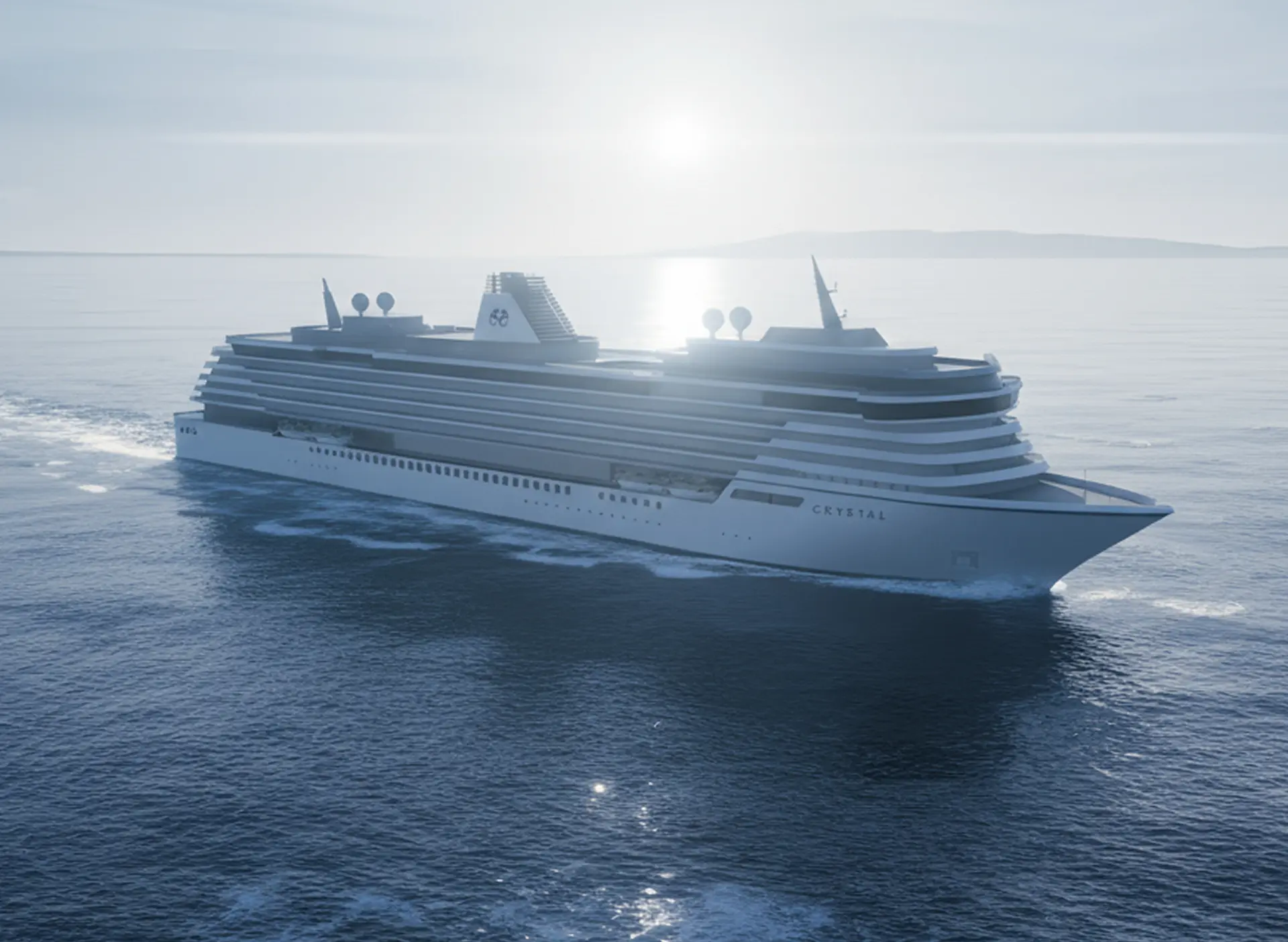
Silver Endeavour (200 guests, 2021, PC6 ice class) — The most luxurious expedition ship afloat. Originally Crystal Endeavor. Up to twenty-eight expedition specialists, eighteen Zodiacs, butler service in every suite. Choose for Antarctica (especially the fly-cruise for time efficiency), the Arctic, or the Northwest Passage. The most intimate Silversea experience at 200 guests.
Silver Origin (100 guests, 2020) — Purpose-built exclusively for Galapagos. The highest guide-to-guest ratio in the archipelago, Horizon Balconies, and dynamic positioning that protects the seabed. Choose for the definitive luxury Galapagos experience — no Ponant equivalent exists. Consistently the highest-rated Silversea ship across all review platforms.
Silver Cloud (240–254 guests, 1994, converted 2017) — Choose for the Kimberley (2026 inaugural season) or warm-water expeditions. Butler service, twenty Zodiacs, ten kayaks. Be aware that the ship is over thirty years old and multiple reviews note ageing hardware — pipes, fixtures, and general condition lag behind Silver Endeavour. The crew and service remain excellent.
Silver Moon or Silver Dawn (596 guests, 2020/2022) — Muse-class ocean ships with the S.A.L.T. programme. Choose Silver Moon for Australian waters (2026–2027 deployment). A strong option for travellers wanting S.A.L.T. on a slightly more intimate ship than Nova-class.
For Australian travellers specifically
Both lines maintain Australian offices and actively court the Australian market, but the maturity and scale of their operations differ — and the fleet types create distinct opportunities for local travellers.
Ponant’s Australian operation is the more established in the expedition segment. The North Sydney office was built under Sarina Bratton AM — described as “Australia’s First Lady of Cruising” — who grew the APAC operation from less than one per cent to approximately twenty per cent of global revenue. Current CEO Asia Pacific Deb Corbett leads the operation, with the APAC region contributing roughly a fifth of Ponant’s global business. Le Commandant Charcot made its Australian debut in Hobart on 14 February 2026, arriving after a half-circumnavigation of Antarctica through East Antarctica. The Kimberley programme is Ponant’s second most popular region for Australian guests, with sixteen sailings and Fly, Stay & Cruise packages from five Australian capitals. Ponant runs Discovery Sessions in five Australian cities with exclusive cruise offers. The line regularly offers AUD-denominated pricing through Australian trade partners. For Australians, Ponant feels like a line that genuinely understands the expedition market. The contact number is 1300 737 178.
Silversea’s Australian office operates from Spring Street, Sydney, managing a broader local market across both ocean and expedition fleets. The ocean fleet deploys to Australian waters for an entire season (November to March) with 23+ sailings from Sydney, Melbourne, and Auckland between 2026 and 2028 — vastly more Australian departures than Ponant offers. The expedition fleet’s Australian presence begins in earnest with the Silver Cloud Kimberley deployment in 2026 — seven sailings from May to August. The door-to-door transfer programme covers major Australian cities via the Blacklane partnership. The Royal Caribbean Group ownership gives Silversea access to a broader infrastructure of Australian marketing, trade relationships, and loyalty crossover. The contact number is (02) 9255 0600.
Loyalty pathways diverge significantly. Ponant’s Yacht Club is a lifetime-status programme — one credit per sailing, no requalification. Cross-brand matching across Ponant Explorations, Paul Gauguin Cruises, and Aqua Expeditions creates an appealing ecosystem for travellers who plan across multiple expedition and cultural brands. The waived single supplement on over 160 voyages is an exceptional benefit for solo travellers. Silversea’s Venetian Society accumulates days at sea toward milestone rewards — including complimentary voyages at 350 and 500 days. The Royal Caribbean Group status match extends benefits across three major cruise brands. Australians who cruise domestically on Royal Caribbean or Celebrity build status that carries into Silversea ultra-luxury voyages — a loyalty pathway no Ponant equivalent can offer.
Getting to embarkation ports from Australia: For Silversea ocean voyages, Australians can embark in Sydney, Melbourne, or Auckland — no international flight required. For Ponant, the nearest equivalent is the Kimberley (Broome and Darwin, domestic flights). For Antarctic sailings, both lines route through South America — Sydney to Santiago (approximately thirteen hours), connecting to Ushuaia or Puerto Williams. Ponant includes the Buenos Aires hotel and Ushuaia charter flight; Silversea’s All-Inclusive Plus fare bundles comparable logistics. For Arctic sailings, both route through European gateways. For Galapagos (Silversea only), route via Los Angeles or Houston to Guayaquil. For French Polynesia (Ponant only), Air Tahiti Nui flies direct Sydney to Papeete.
Travel insurance is essential for both lines. Standard Australian travel policies often exclude Antarctica and expedition activities. Minimum recommended coverage: AUD 500,000 medical and AUD 250,000 evacuation. Evacuation from remote polar locations can cost hundreds of thousands of dollars without adequate cover. Both lines recommend comprehensive insurance but neither provides it.
The onboard atmosphere
The cultural feel of these two lines is the single most important non-technical difference — and it matters profoundly for Australian travellers making a choice.
Ponant’s atmosphere is distinctly French. The passenger mix is approximately fifty per cent French, with significant Australian, European, and smaller North American contingents. French officers command the bridge. Announcements are delivered in French first, then English — and this is the point of feedback that English-speaking travellers raise most consistently. Multiple guests report that the French version of briefings is longer, more detailed, and delivered with more warmth than the English translation. The Soirée Blanche (White Party) on warm-climate sailings captures Ponant’s convivial French spirit at its best — all-white dress, music, dancing on the outer decks. The dress code is “Casual Chic” most evenings with one or two gala evenings per sailing. The design aesthetic is understated Parisian elegance — muted tones, quality materials, more boutique hotel than convention centre. For Australians who love French culture, this atmosphere is a genuine attraction. For those who want to fully understand every announcement and feel equally prioritised in briefings, the language dynamic can detract from the experience. The French orientation is not a flaw — it is the product. But it is important to understand before booking.
Silversea’s atmosphere differs between the ocean and expedition fleets. On expedition ships, the atmosphere is English-speaking, polished, and service-oriented. The Italian heritage manifests in attention to detail, warmth of service, and personal recognition — crew learn guest names quickly on ships carrying 200 to 274 passengers. Butler service creates a personal relationship that threads through the entire voyage. The expedition team’s daily briefings and evening recaps create a communal rhythm. The dress code on expedition ships is “Elegant Casual” with no formal nights — significantly more relaxed than the ocean fleet. On the ocean fleet, the Nova-class ships feel more contemporary and cosmopolitan — asymmetric design, sculptural European aesthetics, and the S.A.L.T. programme adding a culinary social dimension. The passenger base is predominantly North American and European with a growing Australian contingent, generally aged fifty-five and above, well-travelled and affluent. No casino on expedition ships; library and card room for quieter evenings. The evening atmosphere across both fleets is convivial rather than glamorous — bar conversations over included champagne, shared stories from the day.
The language factor cannot be overstated for Australian travellers. On Silversea, every briefing, every announcement, every safety instruction, every lecture is in English. There is no translation delay, no sense of secondary priority, no doubling of presentation time. On Ponant, every briefing takes roughly twice as long, and English-speaking guests consistently report feeling that the French audience receives more detailed information. For some Australians, the French ambiance is charming and cosmopolitan. For others — particularly on an expedition where precise briefing information matters for safety and enjoyment — the bilingual dynamic is a genuine negative.
The bottom line
Ponant and Silversea are the two highest-quality luxury cruise programmes available to Australian travellers who want both refined ocean cruising and genuine expedition capability from their chosen brand. Choosing between them is not a question of one being better — it is a question of which philosophy of luxury travel resonates with you.
Choose Ponant for the most extensive expedition fleet in the luxury segment — thirteen ships reaching the Geographic North Pole, French Polynesia year-round, and the Kimberley across sixteen annual sailings. Choose it for Ducasse-trained French cuisine, the Blue Eye underwater lounge, included expedition boots, and the Buenos Aires hotel and charter flight on Antarctic sailings. Choose it for institutional partnerships with the Explorers Club, National Geographic, and Smithsonian Journeys that create marquee voyages. Choose it for the Ponant Bonus early-booking discount and the waived single supplement that makes it the best luxury expedition option for solo travellers. Choose it for Le Commandant Charcot — the one ship that transcends this comparison entirely, offering deep-ice expeditions that no Silversea vessel and no other luxury ship on earth can attempt.
Choose Silversea for the broadest dual-fleet programme in ultra-luxury — brand-new Nova-class ocean ships with the S.A.L.T. culinary programme alongside four expedition vessels with butler service in every suite. Choose it for the industry’s best guide-to-guest ratio on Silver Endeavour (1:7, with up to twenty-eight specialists), a Royal Geographical Society content partnership, and consistently excellent enrichment on every sailing regardless of date. Choose it for larger entry-level suites, the fly-cruise option that puts you in Antarctica in six nights, and the purpose-built Silver Origin for the definitive luxury Galapagos experience. Choose it for 23+ annual sailings from Australian ports on the ocean fleet — more domestic departures than any other ultra-luxury line. Choose it for the Royal Caribbean Group loyalty ecosystem that extends status across three cruise brands.
For Australian travellers drawn to both — and many of my clients are — the lines complement each other beautifully. A Ponant Kimberley for the French culinary intimacy and the Blue Eye underwater experience, followed by a Silversea Nova-class Australian voyage for the S.A.L.T. programme and the Otium spa. A Charcot North Pole expedition for the ultimate polar experience, paired with a Silver Origin Galapagos for the world’s best luxury island expedition. A Silversea Sydney departure with no international flight, and a Ponant French Polynesia on the direct Air Tahiti Nui route. Together, they represent the pinnacle of what luxury cruising — ocean and expedition — offers Australian travellers in 2026.