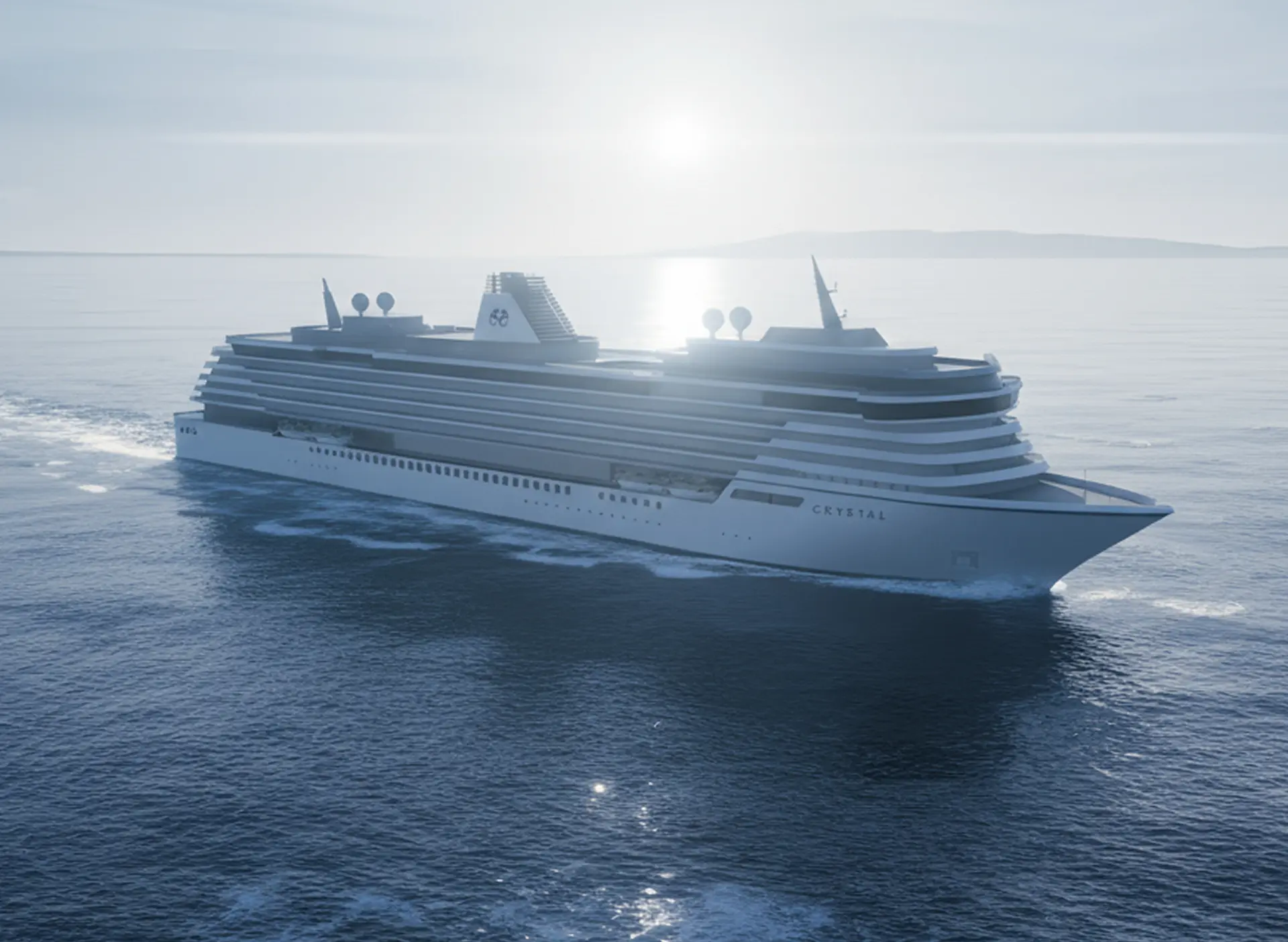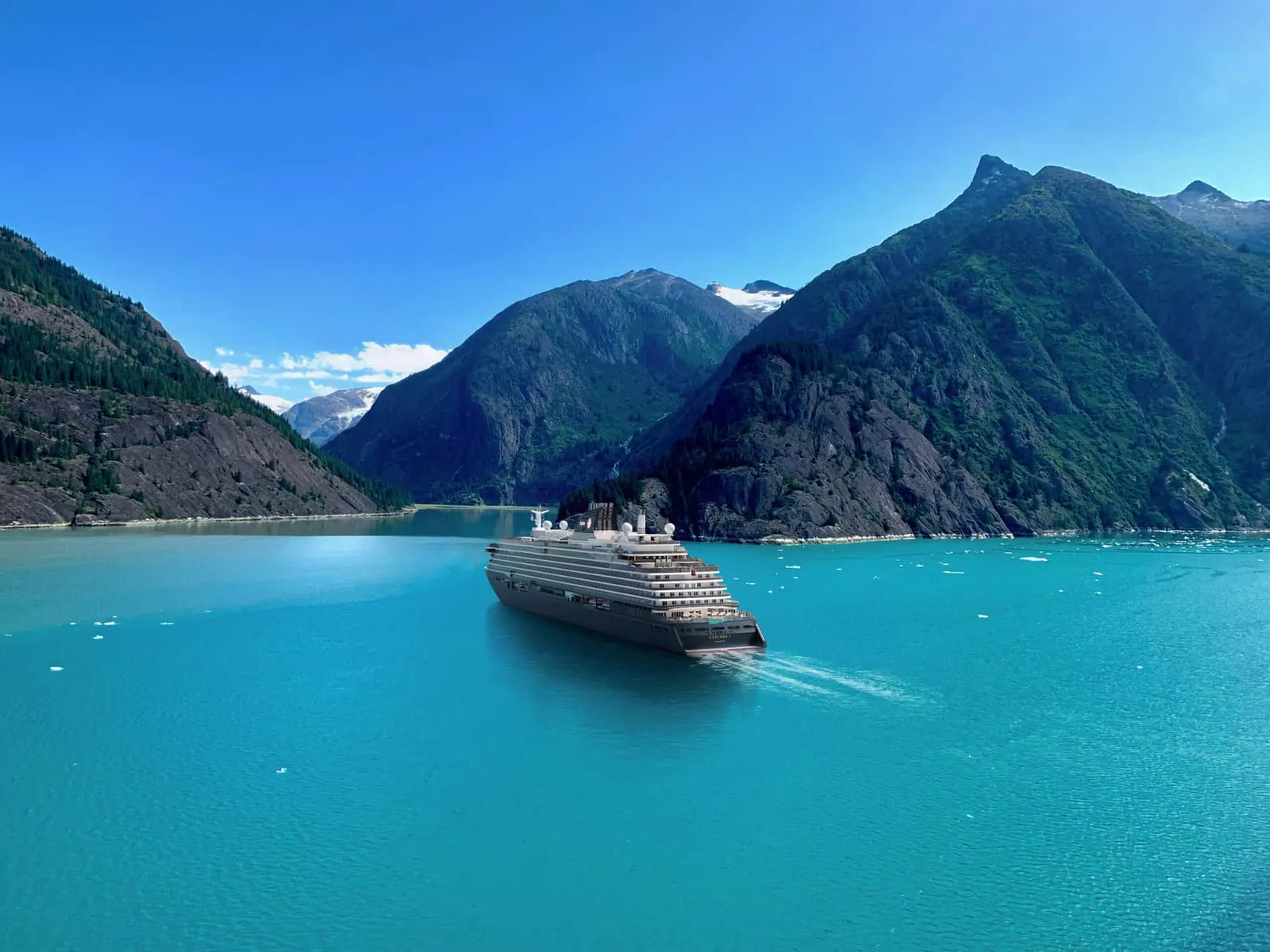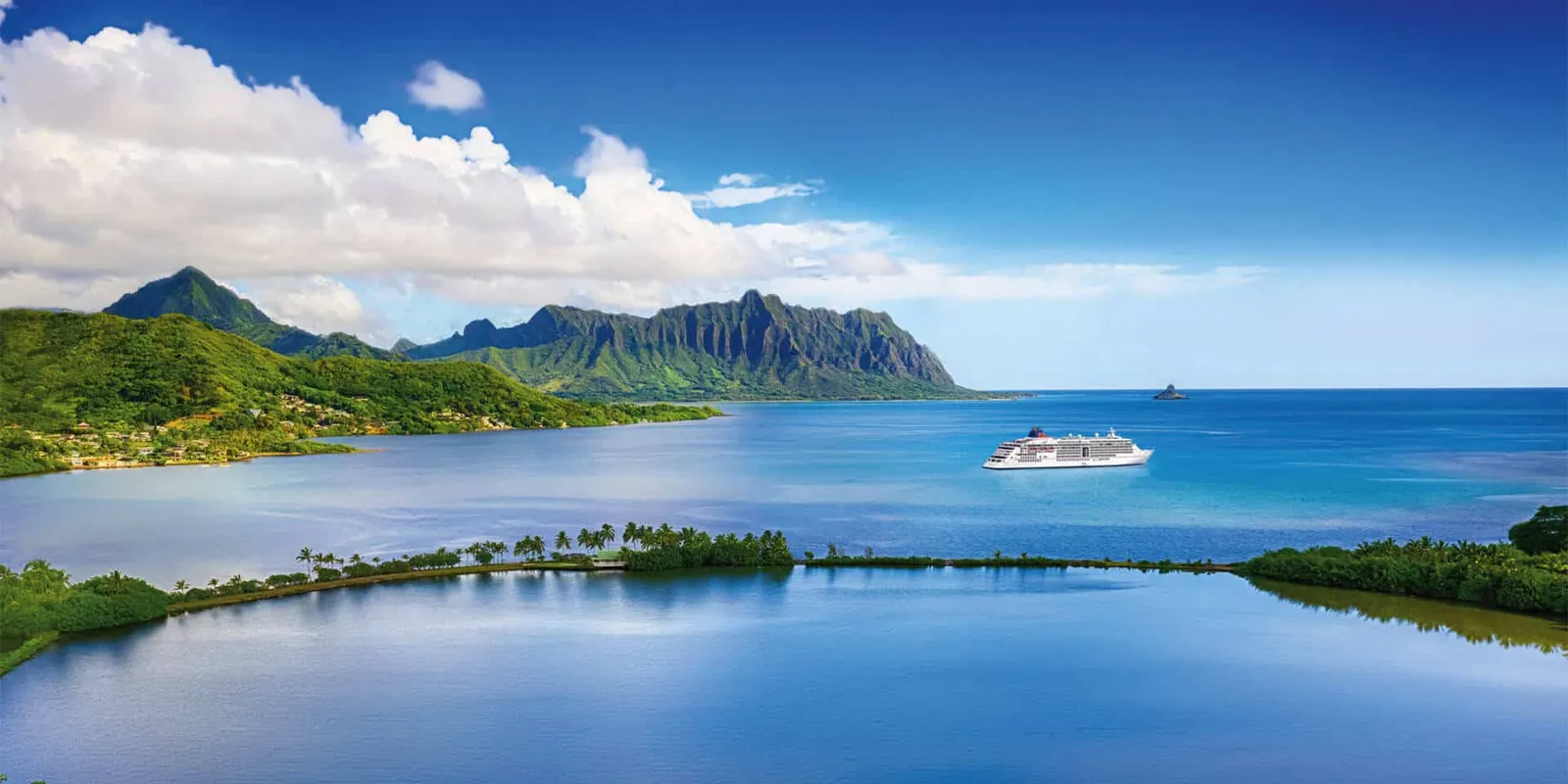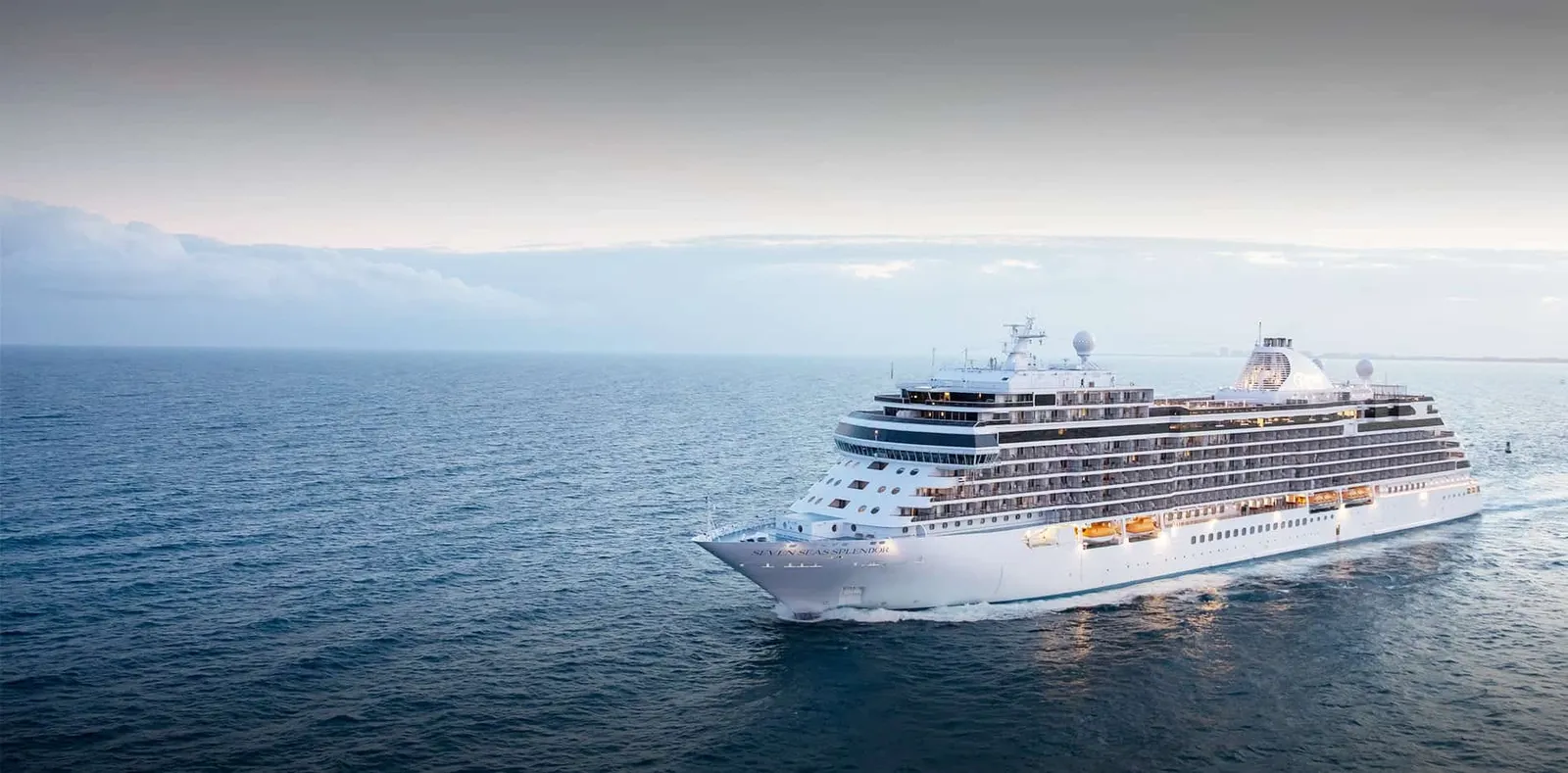
| Regent Seven Seas | The Ritz-Carlton Yacht Collection | |
|---|---|---|
| Category | Ultra-Luxury | Yacht-Style / Ultra-Luxury |
| Rating | ★★★★★ | ★★★★★ |
| Fleet size | 6 ships | 3 ships |
| Ship size | Small (under 1,000) | Yacht (under 300) |
| Destinations | Mediterranean, Caribbean, Alaska, Northern Europe | Mediterranean, Caribbean, Northern Europe, Central America |
| Dress code | Formal evenings | Casual elegance |
| Best for | All-inclusive luxury seekers | Ultra-luxury yacht lifestyle travellers |
This is the ultra-luxury segment's definitive scale-versus-intimacy showdown — the most comprehensively all-inclusive cruise line afloat against a luxury hotel brand that went to sea on boutique yachts. Regent delivers everything in one fare: business-class air from Australian gateways, unlimited shore excursions at every port, all dining without surcharges, the largest suites in the segment, and a proven fleet of six ships (soon seven) sailing every major cruise region. Ritz-Carlton delivers the most intimate ultra-luxury experience at sea: 298-452 guests on Forbes Five-Star yachts, a water sports marina unique in the industry, Marriott Bonvoy integration, and a contemporary atmosphere that draws 75 per cent first-time cruisers. For Australians, the practical gap is enormous. Regent has approximately 24 sailings in Australian waters between 2026 and 2028 with included business-class flights worth AUD $12,000-$24,000 per couple. Ritz-Carlton has no Australian sailings, though Luminara from Singapore (7.5 hours) and the brand's Sydney headquarters signal intent. Choose Regent if all-inclusive completeness, Australian accessibility, and suite space matter most. Choose Ritz-Carlton if intimate yacht-scale cruising, the marina experience, and a luxury hotel atmosphere at sea speak to you — and you are willing to arrange your own flights and excursions to get there.
The core difference
This comparison pits the ultra-luxury segment’s most complete all-inclusive proposition against its most intimate yacht experience — and the choice reveals whether you prioritise having everything handled or having a genuinely different kind of vessel beneath your feet.
Regent Seven Seas Cruises has spent three decades perfecting a simple promise: pay one fare and never sign a bill again. Business-class flights from Australian gateways on Emirates, Qantas, or Singapore Airlines. Unlimited shore excursions at every port — over 4,500 options across 550+ destinations. Every restaurant, every night, with no caps, surcharges, or reservation fees. Airport transfers. A pre-cruise hotel night. Valet laundry. The fleet of six all-suite ships (soon seven with Seven Seas Prestige in December 2026) carries 490 to 822 guests and covers every major cruise region on earth. The suites are the largest in the segment at every category level. The experience is polished, proven, and designed to remove every friction point a luxury traveller might encounter.
The Ritz-Carlton Yacht Collection took a fundamentally different approach. Rather than perfecting the cruise, it rejected it. Three purpose-built superyachts — Evrima (149 suites, 298 guests), Ilma (224 suites, 448 guests), and Luminara (226 suites, 452 guests) — were designed to feel like a floating Ritz-Carlton property, not a cruise ship. There is no buffet, no public-address system, no cruise director, and no casino. A hydraulic marina platform lowers from the stern for paddleboarding, kayaking, Seabobs, and ocean swimming — a feature no other ultra-luxury ocean line offers. In February 2026, Ilma became the first cruise vessel in the 68-year history of Forbes Travel Guide to receive a Five-Star rating. The atmosphere is contemporary, understated, and deliberately hotel-like. Approximately 75 per cent of guests have never cruised before.
For Australian travellers, the practical dimension is decisive. Regent has approximately 24 sailings in Australian and New Zealand waters between 2026 and 2028, with roundtrip Sydney departures, a new Seven Seas Navigator winter season in Australia for 2027, and included business-class flights for every international itinerary. Ritz-Carlton has no Australian sailings — the closest option is Luminara from Singapore (7.5 hours from Sydney) or Evrima in French Polynesia (8 hours from Sydney via Auckland). The brand has opened a Sydney headquarters and is actively analysing Australian destinations, but today, every Ritz-Carlton departure requires an international flight that you arrange and pay for yourself.
What is actually included
This is where the comparison is most consequential — and where the gap between the two lines is the widest in any ultra-luxury pairing.
Regent includes in every fare: unlimited shore excursions at every port (4,500+ options globally); all dining at every restaurant without surcharges, caps, or reservation fees; premium spirits, wines, and cocktails; Starlink Wi-Fi; all gratuities; valet laundry (wash, press, fold); and 24-hour in-suite dining. From Concierge suites upward, you also get roundtrip business-class air from international gateways (including Sydney, Melbourne, Brisbane, Perth, and Adelaide on Emirates, Qantas, or Singapore Airlines); airport-to-ship transfers; a pre-cruise luxury hotel night with breakfast; and a private chauffeur credit of up to USD $500 via Blacklane. Butler service is available from Penthouse Suites upward.
Ritz-Carlton includes: premium spirits, wines, and cocktails throughout the yacht; Personal Concierge service (a less hands-on alternative to a traditional butler) in all suite categories; complimentary high-speed Wi-Fi; all gratuities for housekeeping, dining, and bar staff; 24-hour in-suite dining; and complimentary water sports from the marina platform (paddleboarding, kayaking, Seabobs, electric foiling, windsurfing, sailing, snorkelling) when conditions permit. Four of five onboard restaurants are included without surcharge.
Ritz-Carlton does not include: flights (no air programme from any gateway); shore excursions (all at additional cost, USD $100–$500 per person per activity); airport-to-ship transfers; laundry (complimentary only for Marriott Bonvoy Titanium and Ambassador members); Ritz Kids club sessions (USD $45–$65 per session); spa gratuities; or the signature fine-dining restaurant (S.E.A. on Evrima or Seta su Ilma, USD $250–$350 per person).
The Australian impact. For a couple flying business class from Sydney to a Mediterranean embarkation port, Regent’s included air is worth AUD $12,000–$24,000. Add unlimited excursions over a 10-night voyage (AUD $2,000–$5,000 if purchased separately) and the frictionless dining, and Regent’s all-inclusive fare absorbs AUD $15,000–$30,000+ in costs that Ritz-Carlton guests must budget and manage independently. This is the single largest differentiator between the two lines — not quality, not service, but the sheer scope of what the fare covers.
The inclusion Ritz-Carlton has that Regent does not: the water sports marina. Complimentary paddleboarding, kayaking, Seabobs, electric foiling, and ocean swimming directly from the yacht’s stern. When conditions permit — calm Caribbean anchorages, Mediterranean coves, French Polynesian lagoons — this is transformative and has no equivalent on Regent or any other ultra-luxury ocean line.
Dining and culinary experience
Both lines deliver excellent dining, but Regent offers more venues with zero restrictions, while Ritz-Carlton gates its pinnacle experience behind a meaningful surcharge.
Regent offers seven to eleven dining venues depending on the ship, all included without surcharges. On Explorer-class ships (Explorer, Splendor, Grandeur): Compass Rose serves refined Continental cuisine with open seating. Prime 7 is a premium steakhouse with dry-aged cuts and an extensive wine list. Pacific Rim delivers pan-Asian cuisine. Chartreuse provides intimate French fine dining. Sette Mari at La Veranda offers Italian trattoria. Coffee Connection serves all-day casual fare. The Pool Grill provides al fresco dining. You can dine at Prime 7 or Chartreuse every single evening of your voyage without restriction — no reservation cap, no surcharge, no supplement. The incoming Seven Seas Prestige (December 2026) expands to 11 dining experiences, adding Azure (Mediterranean mezze-style shared plates) and several new al fresco concepts.
Ritz-Carlton offers five restaurants per ship. On Evrima: The Evrima Room is the main dining room, designed as ten intimate alcoves rather than one large space. S.E.A. by Sven Elverfeld (three Michelin stars at Aqua, The Ritz-Carlton Wolfsburg) serves a European tasting menu for 28 guests — a reservations-only, surcharge experience. Talaat Nam serves contemporary Asian cuisine with a sushi counter. Mistral is the Mediterranean al fresco option. Pool House offers casual poolside fare. On Ilma: Tides replaces The Evrima Room as the main dining room. Seta su Ilma by Fabio Trabocchi (James Beard Award-nominated) serves a ten-course modern Italian tasting menu with optional wine pairings. Beach House by Michael Mina (James Beard Award winner) offers open-air Pan-Latin and Caribbean cuisine. Memori features a 12-seat sushi bar. Mistral is the poolside steakhouse and seafood grill.
The surcharge difference matters. Ritz-Carlton’s signature restaurant — S.E.A. on Evrima, Seta su Ilma on Ilma and Luminara — costs USD $250 per person without wine pairing or USD $350 with wine pairing. A couple dining once at Seta su Ilma pays USD $500–$700 (approximately AUD $800–$1,100). On Regent, every restaurant is available every night at no additional cost. Over a 10-night voyage, a couple wanting three speciality dining experiences on Ritz-Carlton faces AUD $2,400–$3,300 in surcharges. On Regent, the same three evenings at Prime 7, Chartreuse, and Pacific Rim cost nothing beyond the fare.
The quality at both lines is genuinely high. Ritz-Carlton’s chef partnerships — Elverfeld, Trabocchi, Mina — are impressive names that rival any shore-side establishment. But Regent’s model of removing the calculation entirely — never weighing whether a particular restaurant is “worth the supplement” — creates a qualitatively different dining experience. You eat where you want, when you want, every night, without once reaching for a credit card.
Suites and accommodation
Regent wins on raw space at every category level. Ritz-Carlton wins on yacht-style intimacy and contemporary design. The right answer depends on whether you measure luxury in square feet or in the atmosphere of the vessel around you.
Regent’s entry-level Deluxe Veranda Suite on Explorer-class ships is 361 square feet with an 88-square-foot balcony — the largest entry-level accommodation in ultra-luxury cruising. Penthouse Suites span 545–892 square feet. The Seven Seas Suite is 825–925 square feet. The Grand Suite reaches up to 1,800 square feet. The Regent Suite on Explorer-class ships is 4,443 square feet with a 1,417-square-foot balcony, a private in-suite spa (sauna, steam room, Jacuzzi), and a Steinway Grand piano. The incoming Seven Seas Prestige introduces the Skyview Regent Suite at 8,794 square feet — a two-storey private residence at sea with its own gym, sauna, bar, elevator, and 3,703-square-foot balcony. This is the largest all-inclusive suite in cruise history.
Ritz-Carlton’s entry-level Terrace Suite on Ilma is 294 square feet plus a 52–108-square-foot terrace. On Evrima, the Terrace Suite is 300 square feet plus a 54–81-square-foot terrace. Every suite on every yacht has a private terrace — no exceptions. Signature Suites on Ilma measure 409 square feet plus terrace. Grand Suites offer 560 square feet with a dining table for four. The Owner’s Suite on Ilma reaches 1,033 square feet with an expansive terrace featuring a private hot tub. On Evrima, the unique two-storey Loft Suites (611 square feet) offer a split-level layout — living area above, bedroom below — a design no other cruise line has attempted. The Owner’s Suite on Evrima is 1,091 square feet of interior with a 635-square-foot terrace and private whirlpool.
The comparison: Regent’s entry-level suite is 23 per cent larger than Ritz-Carlton’s on Ilma and 20 per cent larger than Evrima’s. At the top, the gap is cavernous: Regent’s Regent Suite (4,443 square feet) is more than four times the size of Ritz-Carlton’s Owner’s Suite (1,033–1,091 square feet). The Skyview Regent Suite on Prestige will be more than eight times larger.
But raw space does not capture the full picture. Ritz-Carlton’s suites feel like they belong on a private yacht — the design language is contemporary, residential, and distinctly different from a cruise ship cabin. The neutral palette of grey, taupe, and sandstone, combined with the intimate scale of the vessel, creates a feeling of being aboard a private vessel rather than a large ship. Regent’s suites are beautifully appointed in a more classical luxury style — richer, more ornate, with deeper colour palettes and more traditional furnishings. If you value sheer space and opulence, Regent. If you value yacht-style intimacy and contemporary aesthetics, Ritz-Carlton.
Ship size and intimacy
This is Ritz-Carlton’s core advantage — and it is a fundamental, structural difference rather than a matter of degree.
Ritz-Carlton Evrima carries 298 guests in 149 suites. That is fewer people than many boutique hotels. At 26,500 gross tonnes, the yacht has a passenger space ratio that delivers a genuinely private atmosphere. Corridors are quiet. The pool is uncrowded. The restaurants have a handful of tables. You recognise faces by day two and know names by day four. When the marina platform deploys in a Caribbean cove, you might be one of 30 people swimming off the stern of the yacht.
Ritz-Carlton Ilma and Luminara carry 448–452 guests — larger than Evrima but still dramatically smaller than any Regent ship. At 46,750 gross tonnes with a passenger space ratio of 102.5 gross tonnes per guest, Ilma has among the highest space-per-guest ratios at sea. Even sailing full, the yacht feels serenely uncrowded.
Regent’s Explorer-class ships carry approximately 750 guests. Seven Seas Prestige will carry up to 822 guests at 76,550 gross tonnes. These are not large ships by industry standards — they are small compared to mass-market vessels — but they are 2.5 times the size of Evrima and nearly double Ilma. The difference in onboard feel is tangible. Regent’s public spaces are grander — the two-storey Constellation Theater, the expansive Observation Lounge, the multiple restaurant venues — but the atmosphere is that of a luxury cruise ship, not a private yacht.
What this means in practice: On Ritz-Carlton, you feel the intimacy in every interaction. The sommelier remembers your wine preference from two nights ago without being reminded. The pool has ten people, not eighty. The marina feels like your own private beach club. On Regent, the crew-to-guest ratio of nearly 1:1 delivers equally attentive service, but the social environment is that of a well-run luxury cruise rather than a private vessel. If the idea of 298 guests appeals to you in a way that 750 does not — if that number matters viscerally — Ritz-Carlton delivers something Regent structurally cannot.
Port access is another consequence of size. Ritz-Carlton’s smaller yachts anchor in secluded bays, hidden coves, and smaller harbours that Regent’s larger ships cannot reach. Evrima in a French Polynesian lagoon or a hidden Grenadines bay delivers an experience that a 750-guest ship simply cannot replicate, regardless of how luxurious its suites are.
Water sports marina
The marina is Ritz-Carlton’s most distinctive feature and Regent’s most significant competitive gap.
All three Ritz-Carlton yachts feature a hydraulic platform at the stern that lowers to water level, creating a private beach club experience. Guests step directly from the yacht into the ocean for complimentary paddleboarding, kayaking, Seabobs (underwater jet scooters), electric foiling, windsurfing, sailing, and snorkelling. On Luminara, the offering expands further with a dynamic floating lounge platform featuring a central pool where guests can swim directly in the sea, connected to the water sports equipment staging area.
The marina operates when conditions permit — the yacht must be at anchor rather than alongside a pier, and sea conditions must be calm enough for safe water access. In practice, this means the marina deploys most frequently in the Caribbean, French Polynesia, the Mediterranean (particularly Greek islands and Croatian coast), and Southeast Asian anchorages. Caribbean itineraries see the most marina days.
When the marina is open, the atmosphere is remarkable. Swimming off the stern of a superyacht in a turquoise Caribbean cove, with kayaks and paddleboards scattered around you and the yacht’s bar serving cocktails from the Marina Terrace above, is an experience that no traditional cruise line — including Regent — can offer. Multiple reviewers describe the marina as the defining moment that distinguishes Ritz-Carlton from every other ultra-luxury line.
Regent has no water sports capability whatsoever. There is no marina platform, no direct ocean access, and no water sports equipment. Regent’s ships are traditional cruise vessels that dock at piers or anchor and tender guests ashore. If active water engagement from the ship is important to you, Ritz-Carlton is the only option between these two lines.
Australian accessibility
The accessibility gap between these lines is among the widest in any ultra-luxury comparison — and it overwhelmingly favours Regent.
Regent’s Australian proposition is comprehensive. Approximately 24 sailings in Australian and New Zealand waters between 2026 and 2028. Seven Seas Explorer offers roundtrip Sydney sailings (including a 10-night Australian cruise departing 19 December 2026 from approximately AUD $11,169 per person) and Sydney-to-Bali voyages. The 2027-2028 collection introduces a new Seven Seas Navigator winter season — a first — with voyages covering Fremantle to Darwin via Bali, Darwin to Sydney via the Great Barrier Reef coast, and a 32-night circumnavigation of Australia on Seven Seas Mariner. For international itineraries, Regent includes business-class air from Sydney, Melbourne, Brisbane, Perth, and Adelaide on Emirates, Qantas, or Singapore Airlines — representing AUD $6,000–$12,000+ per person in value. Regent has a dedicated Australian reservations line (1300 455 200) and is distributed through Australian luxury travel agencies.
Ritz-Carlton’s Australian proposition is emerging. The brand opened its Asia-Pacific headquarters in Sydney’s Australia Square Tower in 2025, led by Vice President and General Manager Seb Seward. The reservations team has grown from two to five agents, with dedicated Australian sales personnel being hired. Australian Dollar pricing has been implemented. Luminara’s Asia-Pacific deployment from Singapore (7.5 hours from Sydney or Melbourne) brings the brand within easy reach for the first time, with multiple 7–10-night voyages visiting Vietnam, Philippines, Malaysia, Indonesia, Thailand, Japan, and Korea. Evrima debuts in French Polynesia in winter 2026–2027 — direct flights from Sydney or Auckland to Papeete. Seward has confirmed the itinerary team is “actively” analysing Australian destinations. But no ship has visited Australian waters, and no Australian sailing has been announced.
The practical implication: An Australian wanting to sail Regent in the next two years can embark in Sydney without a flight. An Australian wanting to sail Ritz-Carlton must fly at minimum 7.5 hours to Singapore — and for Mediterranean or Caribbean sailings, 20+ hours to European embarkation ports — arranging and paying for flights independently. This is not a minor inconvenience; it is a structural difference in the product offering.
Pricing and value
Regent’s headline fares are higher, but total cost — the number that actually matters — consistently favours Regent for Australians once Ritz-Carlton’s missing inclusions are added back.
Regent’s per-diem runs approximately USD $650–$1,140 per person per night depending on ship, itinerary, and suite category. A 10-night Mediterranean sailing in a Deluxe Veranda Suite on an Explorer-class ship starts from roughly USD $860–$1,140 per night. Seven Seas Prestige introductory pricing starts from approximately USD $650 per night. Longer voyages and repositioning sailings bring per-diems down to USD $500–$700.
Ritz-Carlton’s per-diem runs approximately USD $420–$1,000 per person per night for entry-level Terrace Suites, with significant seasonal variation. A 10-night Mediterranean voyage in a Terrace Suite on Ilma during peak summer costs roughly USD $700–$1,000 per night. Caribbean and repositioning voyages can drop to USD $420–$600. Peak summer seven-day Mediterranean voyages have been quoted as high as USD $1,771 per person per night.
The total cost reality for an Australian couple on a 10-night Mediterranean voyage:
Regent (Deluxe Veranda Suite, all-inclusive): approximately AUD $26,000–$38,000 per couple. This covers the cruise, business-class flights from Australia, unlimited shore excursions, all dining at every restaurant, premium drinks, Wi-Fi, transfers, and a pre-cruise hotel night. One price. No surprises. No calculations.
Ritz-Carlton (Terrace Suite on Ilma): approximately AUD $14,000–$22,000 for the cruise fare. Add business-class flights from Sydney to Europe: AUD $10,000–$18,000. Add shore excursions (five to seven ports): AUD $1,500–$3,500. Add one Seta su Ilma dinner for two: AUD $800–$1,100. Add airport transfers and incidentals: AUD $500–$1,000. Total: approximately AUD $27,000–$45,600 per couple.
The pattern is consistent across itineraries. Regent’s headline fare absorbs the cost of flights, excursions, and dining that Ritz-Carlton guests must pay separately. For Australians flying long-haul in business class, Regent’s total cost is typically comparable or lower — despite a per-diem that appears 30–50 per cent higher on paper.
Where Ritz-Carlton offers better value: Asia-Pacific sailings from Singapore, where shorter flights (AUD $2,000–$5,000 per couple) dramatically reduce the total cost gap. A 7-night Luminara voyage from Singapore in a Terrace Suite might cost AUD $16,000–$22,000 total per couple including flights — competitive with Regent’s shorter Australian sailings.
Loyalty programmes
Both lines reward repeat guests, but the programmes work in fundamentally different ways — one is cruise-specific, the other connects to the world’s largest hotel loyalty ecosystem.
Regent’s Seven Seas Society is free to join and progression is based on nights sailed. Seven tiers — Bronze (first voyage), Silver (21 nights), Gold (75 nights), Platinum (200 nights), Titanium (400 nights), Diamond (1,000 nights), and Commodore (2,000 nights). Benefits include shipboard credits, 5–10 per cent fare discounts at higher tiers, priority check-in, complimentary Blacklane transfers, and recognition amenities. Critically, Regent offers cross-brand status honouring with Norwegian Cruise Line and Oceania Cruises under the NCLH parent company — so if you hold Latitudes Rewards status on Norwegian or Oceania Club status, your tier is honoured on Regent sailings and vice versa.
Ritz-Carlton’s Marriott Bonvoy integration connects the cruise experience to a global hotel loyalty programme with over 200 million members. You earn 5 points per USD dollar spent on cruise fares and one elite night credit per night on board — counting toward Marriott Bonvoy status qualification, including the coveted Ambassador Elite tier. Points can be redeemed at 180,000 points for USD $1,000 off a cruise fare, then 90,000 points per additional USD $500 increment. Elite perks on board: Gold members and above receive a welcome gift choice; Platinum members and above receive complimentary first-evening laundry pressing; Titanium and Ambassador members receive complimentary laundry throughout and priority boarding.
For Australians specifically: The Bonvoy integration is valuable if you are already embedded in the Marriott ecosystem — staying at Ritz-Carlton, W, Sheraton, Westin, or Marriott properties internationally. A couple spending USD $20,000 on a Ritz-Carlton cruise fare earns 100,000 Bonvoy points (enough for 2–3 nights at a premium Marriott property) plus 7–10 elite night credits. Regent’s Seven Seas Society offers stronger cruise-specific benefits (fare discounts, shipboard credits) but does not connect to a broader hotel ecosystem. Neither programme has a direct Qantas Frequent Flyer partnership.
Brand recognition and marketing appeal
This is an underappreciated dimension of the comparison — and one where Ritz-Carlton holds a genuine advantage with certain travellers.
Ritz-Carlton is one of the most recognised luxury brands on earth. The name carries immediate connotations of five-star hotels, impeccable service, and global prestige. When a Ritz-Carlton hotel loyalist learns that the brand has a yacht collection, the trust transfer is instant — they know what to expect. This is why 75 per cent of Ritz-Carlton Yacht Collection guests have never cruised before. The brand solves the single biggest barrier to ultra-luxury cruising for affluent hotel travellers: “I don’t do cruises.” The Forbes Five-Star rating — the first ever awarded to a cruise vessel — reinforces this positioning with external validation that hotel-world travellers recognise and respect.
Regent Seven Seas is a cruise-specific brand with deep recognition among experienced luxury cruisers but limited awareness outside the cruise industry. Ask a Ritz-Carlton hotel guest whether they have heard of Regent, and the answer is often no. Ask a luxury cruise enthusiast the same question, and Regent is invariably among the first names mentioned. Regent’s marketing centres on the all-inclusive proposition — “the most inclusive luxury experience” — which resonates powerfully with travellers who already understand cruise pricing, but less so with travellers who have never considered a cruise.
What this means for you: If you are introducing a partner, friend, or family member to cruising for the first time — someone who stays at luxury hotels but has never set foot on a ship — Ritz-Carlton’s brand familiarity removes a psychological barrier that Regent’s name alone cannot. If you are an experienced luxury traveller who evaluates on substance rather than brand, Regent’s all-inclusive model and proven track record speak for themselves.
Spa and wellness
Both lines offer quality wellness facilities, but the approach differs — Regent has the larger spa infrastructure; Ritz-Carlton has the marina as an active wellness dimension.
Regent’s Serene Spa & Wellness on Explorer-class ships occupies two decks connected by a dramatic circular staircase. The complimentary Hydrothermal Suite features an aromatherapy steam room, infrared sauna, chill room, and experiential showers — open to all guests without booking or time limits. Treatment rooms have ocean views. Products are by ELEMIS (skincare) and Kerastase (hair). The fitness centre features Technogym equipment. Seven Seas Prestige (December 2026) will feature the most expansive Serene Spa at sea, with an infinity pool integrated into the spa complex, quartz crystal healing beds, and zero-gravity massage tables. Heritage-class ships (Mariner, Voyager) have smaller spa facilities without the complimentary Hydrothermal Suite.
Ritz-Carlton’s Spa by The Ritz-Carlton has 5 treatment rooms on Evrima and 11 on Ilma (some with private terraces overlooking the sea). Products are by ESPA, 111SKIN, and Pisterzi. Gender-separated saunas and steam rooms, a relaxation lounge, a beauty salon with Oribe hair products, and a gentleman’s grooming salon. Daily wellness classes operate in three tiers: Renewal (sunrise stretch, meditation), Balanced (moderate), and Power (circuits, high-intensity). Personal training starts from USD $75 for 30 minutes.
The marina as wellness: Ritz-Carlton’s water sports marina doubles as an active wellness offering — paddleboarding, kayaking, electric foiling, and ocean swimming are physical activities that complement the spa in a way no traditional cruise ship can match. On a calm Caribbean morning, a paddleboard session from the marina followed by a spa treatment is a wellness experience unique to Ritz-Carlton.
The comparison: Regent has the superior dedicated spa facility — larger, more comprehensive, with the complimentary Hydrothermal Suite on Explorer-class ships. Ritz-Carlton has the more holistic active wellness proposition when the marina is factored in. Treatment pricing is comparable on both lines (signature treatments USD $200–$400 for 75–100 minutes).
Entertainment and enrichment
Both lines favour enrichment over spectacle, but Regent offers significantly more structured programming while Ritz-Carlton deliberately provides less.
Regent’s Constellation Theater on Explorer-class ships seats approximately 694 guests across two full decks, with a dedicated 12-person production cast and seven-piece live orchestra. Current productions include narrative-driven shows — Bohemian Soul, Broadway in Concert, Diamond Run (an espionage-themed musical thriller). The quality is polished cabaret rather than West End spectacle, but consistently entertaining. The Culinary Arts Kitchen offers hands-on cooking classes with 18 individual stations (USD $89 surcharge — one of the few items not included in the fare). Guest lecturers include former ambassadors, scientists, and international correspondents. The Observation Lounge at the ship’s bow is a social highlight with panoramic views and live music. The refurbished Heritage-class ships gain the new Epicurean Enrichment Studio with destination-focused culinary lectures and chef-led shore excursions.
Ritz-Carlton takes a deliberately minimalist approach. There are no production shows, no theatre, no casino, no cruise director, and no overhead activity announcements. The entertainment philosophy emphasises creating sophisticated ambience: live piano in The Living Room, acoustic musicians and small ensembles in lounges, themed evenings (En Blanc, Havana Nights), and cultural performances reflecting the destination. On Ilma, The Observation Lounge transitions from cocktail bar to late-night dancing venue, and La Rumba brings Latin-influenced poolside ambience with DJs. Enrichment includes guest speakers, culinary demonstrations, wine tastings, and destination-focused experiences.
The philosophical difference: Regent believes a luxury cruise should offer structure and variety — a theatre with shows, a teaching kitchen, guest lectures, and an Observation Lounge. Ritz-Carlton believes a luxury yacht should create space and ambience — let the guests fill their own evenings with conversation, cocktails, and whatever the mood dictates. If you want to attend a cooking class in the morning, a guest lecture in the afternoon, and a show after dinner, Regent provides that programme. If you want to read by the pool, swim from the marina, and let the yacht’s atmosphere be your entertainment, Ritz-Carlton delivers exactly that.
The onboard atmosphere
These lines feel fundamentally different — and the difference reveals who each was built for.
Regent’s atmosphere is polished, classical, and quietly confident. The passenger base averages 58–65, predominantly American and British with strong Australian representation on southern hemisphere sailings. Many guests are experienced luxury cruisers on their fifth, tenth, or twentieth Regent voyage. The all-inclusive model creates a particular kind of relaxation — there is never a moment of calculation about what costs extra, which removes a subtle friction that exists even on other luxury lines. Since August 2025, the dress code allows refined denim and dress trainers after 6 PM under “Elegant Casual,” with formal-optional evenings only on voyages of 16 nights or longer. The Observation Lounge is the social heart of the evening. The atmosphere is genteel, warm, and reassuringly consistent.
Ritz-Carlton’s atmosphere is modern, understated, and hotel-sophisticated. The average passenger age is approximately 53 — significantly younger than Regent’s. Approximately 75 per cent of guests have never cruised before; they are Ritz-Carlton hotel loyalists drawn by brand trust, affluent professionals still working rather than retired, and luxury travellers who would not consider a traditional cruise. There are no formal nights, no cruise director, no overhead announcements. The entertainment is ambient: a pianist in The Living Room, themed evenings, cocktails with panoramic views. Families are welcome — Ritz Kids operates for ages four to twelve. The atmosphere is contemporary, relaxed, and self-assured — closer to a floating private members’ club than a cruise ship.
The key question: Do you want to be among people who love luxury cruising and want the finest, most complete version of it? Choose Regent. Do you want to be among people who love luxury hotels and are experiencing the ocean for the first time? Choose Ritz-Carlton.
The bottom line
Regent Seven Seas and The Ritz-Carlton Yacht Collection are both excellent — but they are built for different people, and one offers dramatically more practical value for Australians.
Choose Regent if your priority is the most complete luxury cruise experience available. The all-inclusive fare covers everything — business-class flights from Australia, unlimited excursions, all dining, drinks, transfers, laundry — in a single price that requires no further calculation. The suites are the largest in the segment. The fleet of seven ships covers every major cruise region. Australian sailings depart from Sydney. The total cost, once Ritz-Carlton’s missing inclusions are added, is typically comparable or lower. For Australians who want to experience ultra-luxury cruising with maximum convenience and minimum logistical friction, Regent is the clear choice.
Choose Ritz-Carlton if what matters most is the intimacy of a 298–452-guest yacht, the water sports marina, the contemporary hotel-at-sea atmosphere, and the Forbes Five-Star brand experience. Accept that flights, excursions, and transfers are your responsibility; that the suites are smaller; that dining surcharges apply at the signature restaurant; and that no Australian sailings exist. Ritz-Carlton delivers something Regent structurally cannot — the feeling of being aboard a private yacht rather than a cruise ship. For travellers who would never consider a “cruise” but would consider a Ritz-Carlton on the water, this line removes a barrier no amount of all-inclusive value can address.
For Australians specifically: Regent is the practical choice today and for the foreseeable future. It visits your waters, includes your flights, and delivers the most comprehensive all-inclusive fare at sea. Ritz-Carlton is the aspirational choice — a brand investing in Asia-Pacific with a Sydney headquarters, expanding itineraries from Singapore, and a genuine intention to bring yachts to Australian waters. When that happens, the comparison will shift. Until then, Regent delivers more, includes more, and comes to you.