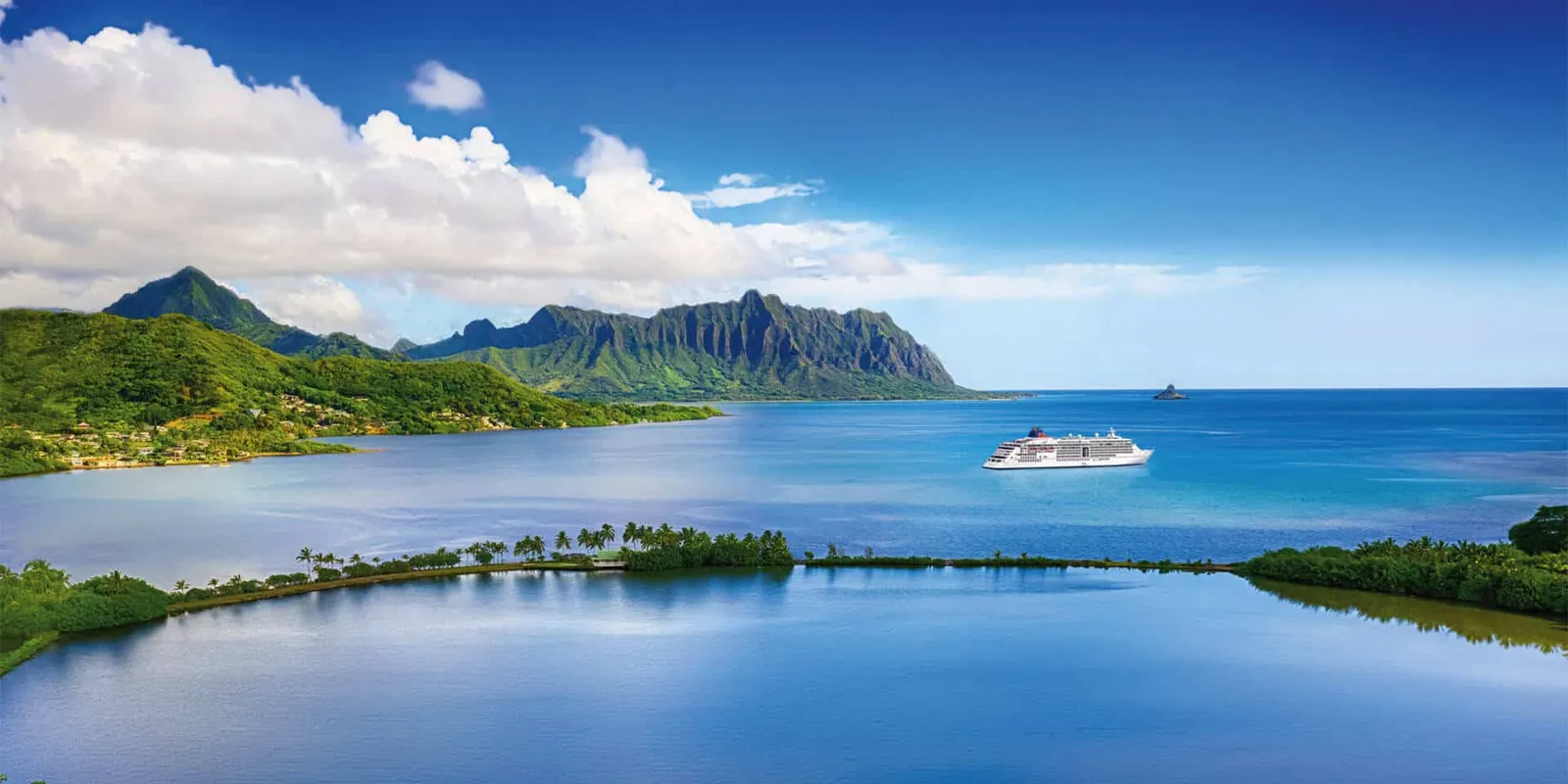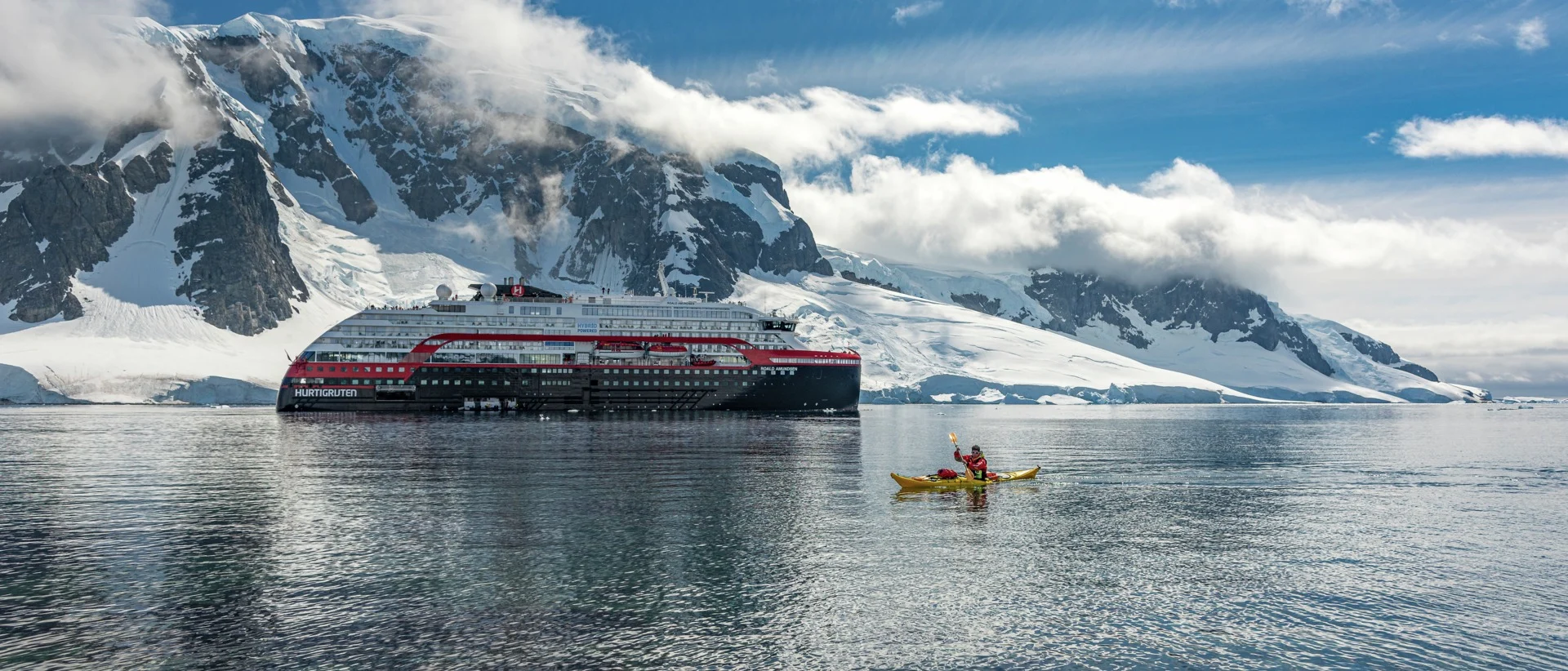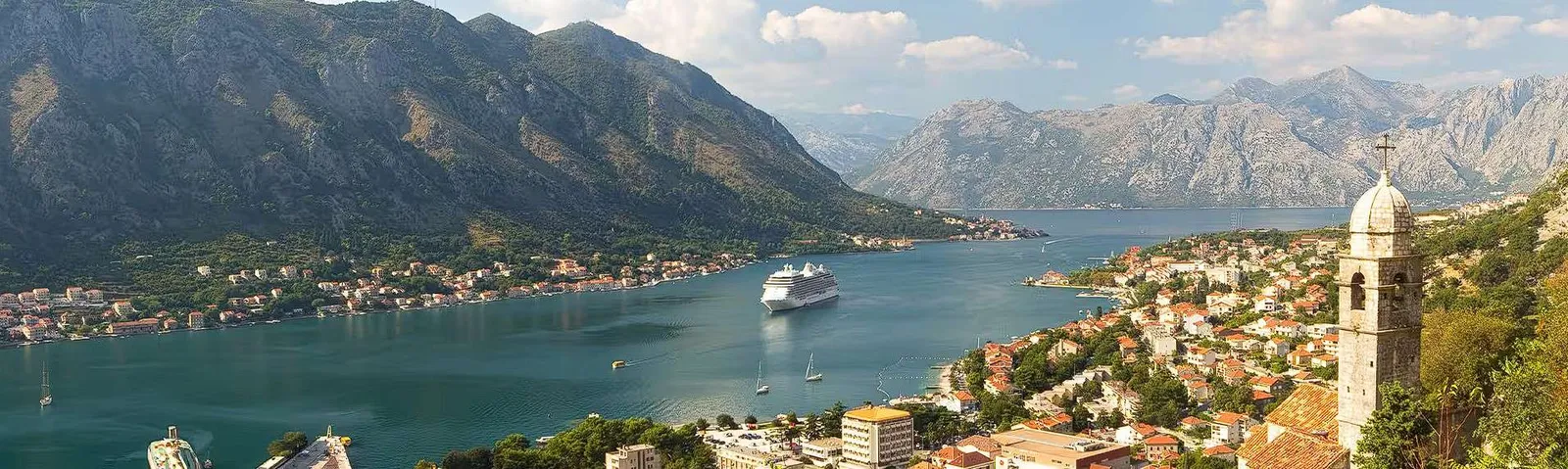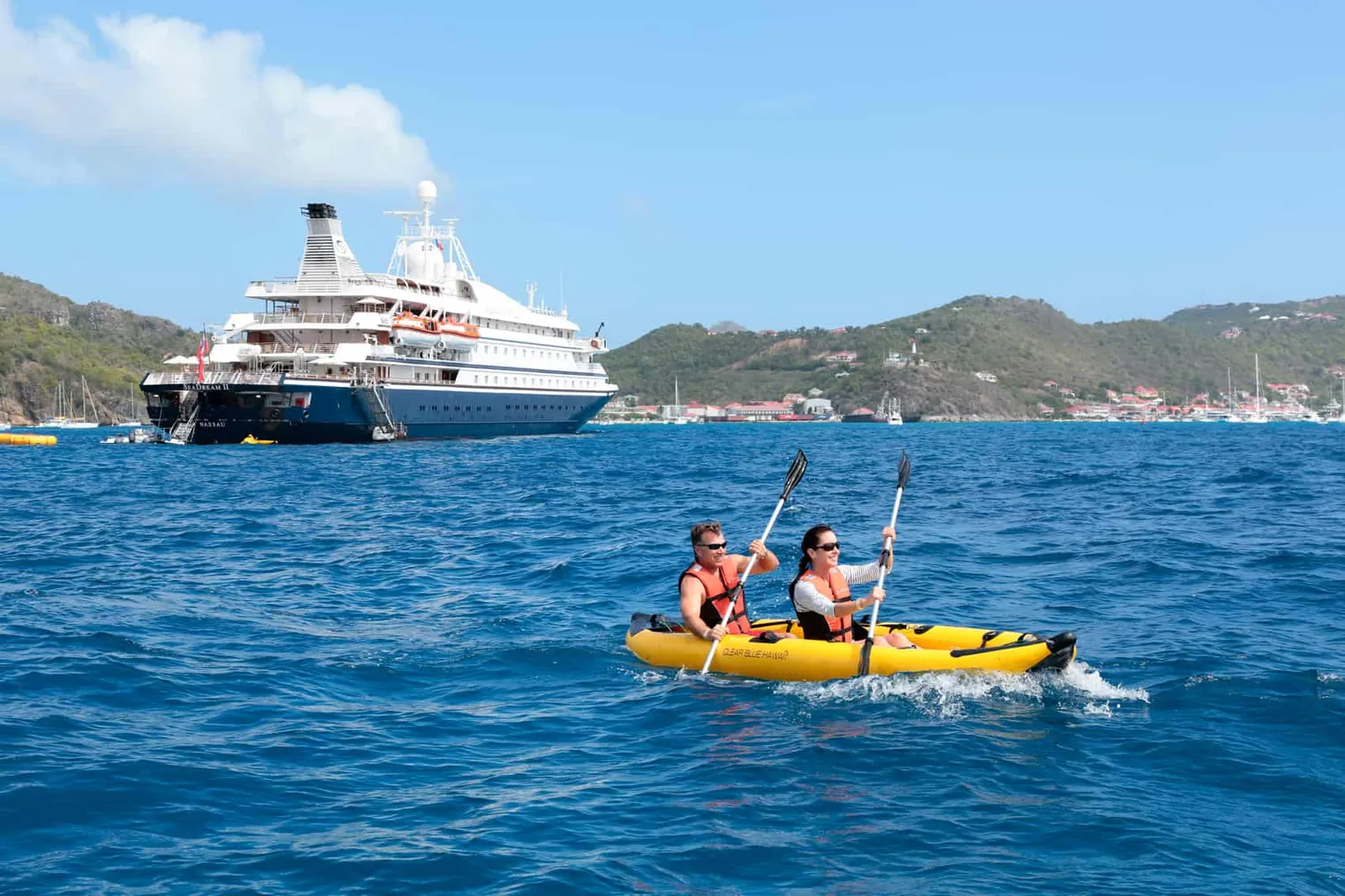
SeaDream Yacht Club and Swan Hellenic both reject conventional cruising, but they solve completely different problems — one is a twin-yacht hedonist's paradise carrying just 112 guests with an open bar and marina platform, the other a cultural expedition specialist with ice-class ships, Zodiac landings, and onboard scientists. Jake Hower compares their inclusions, dining, fleet, and value for Australians.
| SeaDream Yacht Club | Swan Hellenic | |
|---|---|---|
| Category | Yacht-Style / Ultra-Luxury | Expedition |
| Rating | ★★★★☆ | ★★★★☆ |
| Fleet size | 2 ships | 3 ships |
| Ship size | Yacht (under 120) | Small (under 200) |
| Destinations | Caribbean, Mediterranean, Northern Europe | Polar, Mediterranean, South America, Asia |
| Dress code | Casual elegance | Relaxed |
| Best for | Ultra-intimate yacht lifestyle travellers | Cultural expedition and enrichment travellers |
SeaDream is the most intimate luxury yacht experience afloat — two 112-guest mega-yachts with a near-perfect 1:1 crew ratio, an open bar from morning to midnight, complimentary water sports from the marina platform, and Forbes Travel Guide four-star dining from a single kitchen cooking everything to order. Swan Hellenic counters with genuine cultural expedition capability on three purpose-built ice-class ships carrying 152 to 192 guests, a fully all-inclusive fare covering open bar, excursions, charter flights, gratuities, and Wi-Fi, and access to destinations SeaDream cannot reach — Antarctica, the Arctic, Papua New Guinea, and the Solomon Islands. For Australians wanting barefoot mega-yacht luxury in the Caribbean and Mediterranean, choose SeaDream. For culturally curious Australians drawn to small-ship expedition cruising with intellectual enrichment and remote destinations, choose Swan Hellenic.
The core difference
SeaDream Yacht Club and Swan Hellenic are almost never shortlisted together — and that itself tells you everything about the nature of this comparison. They occupy fundamentally different positions within the luxury cruise landscape, separated not by quality but by purpose, philosophy, and the kind of holiday each delivers. One is a hedonist’s yacht. The other is an explorer’s expedition vessel. They share almost no ports, attract different travellers, and define luxury in entirely different terms.
SeaDream’s identity is yachting. The line’s founding principle — “It’s yachting, not cruising” — is not a marketing conceit but an operational reality. Two twin mega-yachts, SeaDream I and SeaDream II, each carry a maximum of 112 guests served by 95 crew, delivering a near-perfect 1:1 crew-to-guest ratio that no cruise ship and no expedition vessel matches. Founded in 2001 by Atle Brynestad — the Norwegian entrepreneur who also founded Seabourn — SeaDream purchased the former Sea Goddess I and Sea Goddess II from Carnival Corporation and reimagined them as floating private yachts. At just 4,253 gross tonnes and 355 feet in length, these are among the smallest luxury vessels afloat. The result is something genuinely different from cruising: no fixed itineraries carved in stone, no production shows, no formal nights, no queues, no announcements over the PA system. The marina platform drops down at anchor for kayaking, paddleboarding, jet skiing, and the signature Champagne and Caviar Splash. Balinese Dream Beds on the top deck invite guests to sleep under the stars as the yacht sails through the night. The atmosphere is a house party on a yacht owned by a very generous friend.
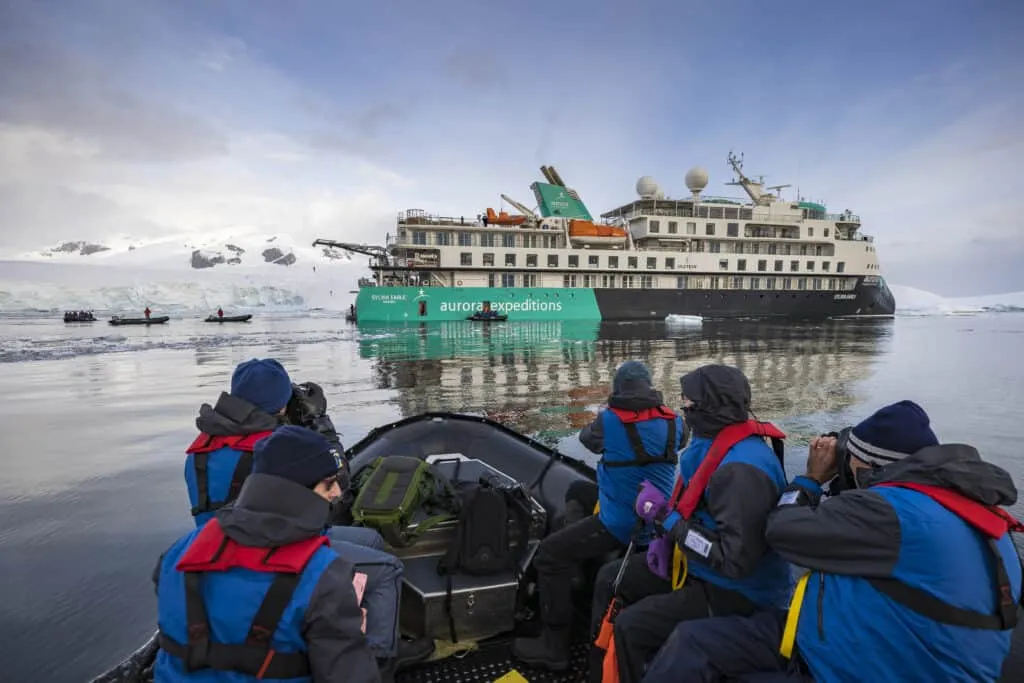
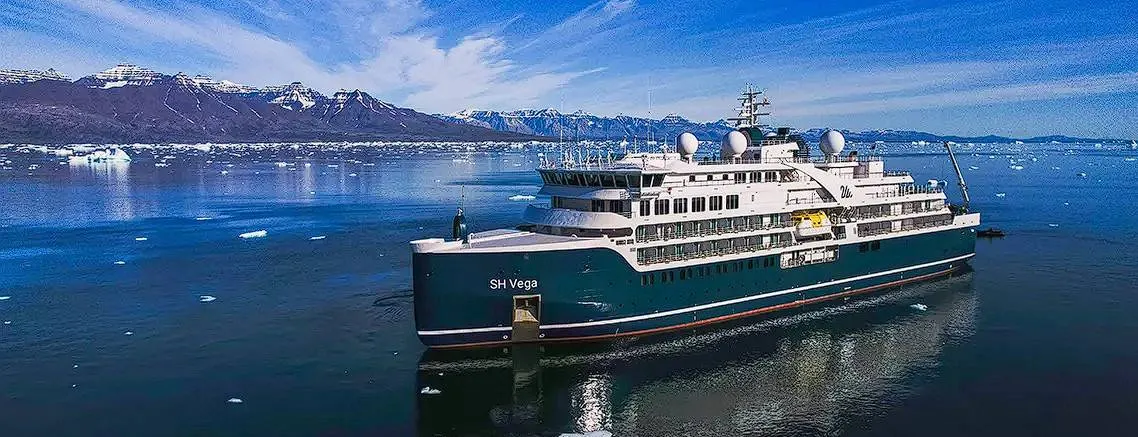
Swan Hellenic’s identity is cultural expedition. The brand traces its origins to the 1950s, when Swan’s Tours began carrying British guests to historic Mediterranean sites — pioneering the concept of intellectually enriched cruising long before the term “expedition” entered the luxury lexicon. After multiple ownership changes — P&O, Carnival Corporation, All Leisure Holidays, and G Adventures — the brand was relaunched in 2021 under CEO Andrea Zito with three purpose-built ice-class expedition ships: SH Minerva (2021, 152 guests), SH Vega (2022, 152 guests), and SH Diana (2023, 192 guests). All three are PC5 or PC6 ice-class with diesel-electric hybrid propulsion, carry full Zodiac fleets, and deploy expedition teams of twelve to fifteen specialists including historians, naturalists, ornithologists, marine biologists, and cultural experts. The tagline — “Pioneering Cultural Discovery Since 1954” — captures the distinction: Swan Hellenic’s expeditions are as much about understanding civilisations as they are about reaching remote coastlines. The SETI Institute partnership places NASA-affiliated scientists aboard select sailings, and Andrea Ribaldone’s JRE-Jeunes Restaurateurs culinary programme brings Michelin-star heritage to the dining room.
For Australian travellers, the practical question often resolves quickly. If you want the most intimate luxury yacht experience afloat — 112 guests, an open bar, water sports off the stern, and access to harbours that no expedition ship can enter — SeaDream delivers something no other line replicates. If you want to board a Zodiac, land on beaches with no pier, explore Papua New Guinea or Antarctica, and attend daily lectures from historians and marine biologists — Swan Hellenic is the choice from this pairing. The Mediterranean is the only region where both lines sail simultaneously, and even there they serve different purposes.
What is actually included
Both lines market inclusivity, and both deliver genuinely all-inclusive experiences — but the specifics differ in ways that matter when calculating total cost, and the details reveal fundamentally different philosophies about what a luxury fare should cover.
SeaDream’s all-inclusive model centres on the onboard experience. The fare covers an open bar available at all hours — premium wines, champagne, spirits, cocktails, beer, and soft drinks served anywhere on the yacht from the Top of the Yacht Bar’s 360-degree panorama to your sun lounger by the pool. All dining is included without restriction. Crew gratuities are fully covered — tipping is neither required nor expected. The marina platform’s full complement of water sports equipment — jet skis, kayaks, paddleboards, wakeboards, Hobie Cat catamarans, snorkelling gear, and the floating trampoline — is complimentary. What SeaDream does not include: Wi-Fi (charged at USD $35 per day or USD $99 per week for unlimited satellite access), shore excursions (Yachting Land Adventures are priced separately), spa treatments, premium reserve wines beyond the standard open bar, and flights. The philosophy is clear — everything you consume and enjoy aboard the yacht is covered; everything that takes you off it is not.
Swan Hellenic’s inclusion model is broader and deliberately holistic. The Cruise Plus fare — the package most relevant to Australian travellers — covers charter flights from Australian gateways (Brisbane for 2026 Asia-Pacific sailings), a pre-cruise hotel night with breakfast, airport-to-ship transfers, all meals including 24-hour room service, an open bar with selected wines, spirits, beer, coffee, and soft drinks, a well-stocked minibar replenished daily, unlimited entry-level Wi-Fi, gratuities, one shore excursion per port per day (including Zodiac landings, guided walks, and cultural visits), the full onboard lecture programme, and — on polar sailings — an expedition parka. What Swan Hellenic does not include: spa treatments, premium wines or spirits beyond the standard open bar selection, optional scuba diving on specialist itineraries, and flights beyond the packaged charter connections.
The net effect for Australian travellers is notable. Swan Hellenic’s all-inclusive model means almost nothing goes on the onboard account — drinks, every excursion, every Zodiac landing, every lecture, the hotel before embarkation, and the flight to get there are all covered. SeaDream’s open bar is genuinely premium and genuinely all-hours, but shore excursions, Wi-Fi, and flights remain out-of-pocket expenses. On a seven-night SeaDream voyage, a couple might spend an additional AUD $500 to $1,000 on Wi-Fi and AUD $300 to $800 per person on shore excursions, before factoring in international flights. Swan Hellenic’s Cruise Plus packages eliminate these variables entirely, delivering a single quoted price from your Australian doorstep to the ship and back.
For drinks-inclusive peace of mind, both lines deliver. For total-cost simplicity and the broadest range of inclusions, Swan Hellenic’s Cruise Plus model is the more comprehensive proposition.
Dining and culinary experience
Both lines boast genuine culinary credentials — and both can credibly claim to serve food that transcends typical cruise fare. The experience, however, is as different as a private chef’s table and a multi-venue expedition kitchen.
SeaDream is a private kitchen elevated to fine-dining status. The yacht carries a single culinary team preparing everything Cuisine À La Minute — made to order, fresh, with no pre-preparation or batch cooking. For just 112 guests. Forbes Travel Guide has awarded SeaDream four-star dining status — one of only five cruise dining venues globally to achieve this rating, and one of only three at the four-star level. The Dining Salon on Deck 2 seats 110 guests for multi-course dinners with amuse-bouche and wine pairings; the Topside Restaurant offers al fresco dining where all 112 guests can eat outdoors simultaneously — a claim no cruise ship or expedition vessel can make. The signature Le Menu de Dégustation presents a multi-course tasting menu with wine pairings — highlights include Terrine de Foie Gras with pear compote and port wine sauce, grilled halibut with gingered white asparagus and caviar beurre blanc, and the celebrated 24-Carat Gold Leaf-Topped Fondant au Chocolat with vanilla ice cream. SeaDream also offers the only raw food or “living food” menu at sea — entirely plant-based dishes prepared with raw, organic ingredients, none heated above 48 degrees Celsius. Dietary accommodations span vegetarian, vegan, gluten-free, pescatarian, keto-friendly, and high-protein menus. Wine pairings at dinner are included from a thoughtfully curated list. An exclusive twelve-tea selection prepared by a master blender in Kent rounds out the beverage programme.
Swan Hellenic is a focused, chef-driven expedition kitchen. The Maris culinary programme, developed in partnership with JRE-Jeunes Restaurateurs — a prestigious association of rising European chefs — brings rotating guest chefs aboard select sailings to curate menus, host themed dinners, and lead gastronomic excursions ashore. The permanent culinary programme was created by Michelin-starred Italian chef Andrea Ribaldone and Korean chef Sang Keun Oh. The Swan Restaurant serves as the primary venue for sit-down dinners with international and regional cuisine adapted to each itinerary — plates in Papua New Guinea reflect local flavours; Mediterranean sailings feature Ribaldone’s Piemontese heritage. The Club Lounge transforms throughout the day from early riser service through afternoon tea to casual evening dining with family-style plates and Piemonte-style pizza. The Pool Bar and Grill serves al fresco classics. On Maris culinary voyages, the guest chef builds to a climactic Gala Dinner showcasing their creativity and leads cooking demonstrations revealing select techniques. A private Chef’s Table experience is available in the main restaurant, where the executive chef and sommelier curate a bespoke menu with wine pairings.
The verdict separates by philosophy. SeaDream delivers the most intimate fine-dining experience afloat — a single kitchen cooking everything to order for 112 guests, with Forbes four-star recognition, included wine pairings, and a setting that feels like a private dinner party rather than a restaurant. Swan Hellenic delivers culturally integrated cuisine that evolves with the itinerary, backed by Michelin-star heritage and a multi-venue format across three restaurants. For food-motivated travellers who value made-to-order precision and included wines, SeaDream. For those who want their cuisine to reflect the destinations they are exploring — with the open bar covering every glass along the way — Swan Hellenic.
Suites and accommodation
This comparison is shaped by the fundamental difference between a 1984-vintage mega-yacht and purpose-built 2021-2023 expedition ships — and by the fact that SeaDream’s vessels predate the balcony revolution in cruise design while Swan Hellenic’s fleet was designed from the keel up with private outdoor space.
SeaDream’s accommodation reflects the yacht’s 1984 and 1985 origins and its comprehensive 2022 USD $10-million refurbishment per vessel. Yacht Club Staterooms — the standard category — average 195 square feet across Decks 2, 3, and 4. There are no balconies anywhere on either yacht. Decks 3 and 4 feature picture windows; Deck 2 staterooms have twin 17-inch round portholes. The 2022 renovation stripped staterooms back to bare steel and rebuilt everything: new 55-inch flat-screen televisions, USB charging, marble-lined bathrooms with multi-jet showers, Elm Organics bath products, and luxury robes and slippers. The Commodore Suite option combines two Yacht Club Staterooms into approximately 390 square feet with two full bathrooms — a practical choice for couples wanting space. The Admiral’s Suite (375 square feet, Deck 4) features three picture windows, a separate living and dining area, and a soaking tub. The Owner’s Suite (447 square feet, mid-ship Deck 3) is the flagship accommodation with a separate master bedroom, a soaking tub with ocean views, and a dining area for entertaining. Across all 56 suites, the total guest capacity is 112 — a ratio of just two guests per suite that ensures a level of spaciousness in the public areas that the stateroom dimensions alone do not suggest.
Swan Hellenic’s three ships offer a well-defined cabin hierarchy across eight categories, all built within the last five years. On SH Diana, Oceanview staterooms measure 215 square feet — roughly ten per cent larger than SeaDream’s standard category — though without a balcony. Balcony staterooms step up to 301 square feet of interior plus a 65-square-foot private terrace — a category with no equivalent on SeaDream at any price point. Junior Suites on SH Diana offer 376 square feet with a 75-square-foot balcony, a super king bed, separate living area, flame-effect fireplace, and private kitchenette. Suites reach 473 square feet with a 129-square-foot terrace, and Premium Suites top out at 505 square feet with a 130-square-foot wraparound veranda, separate living room, bathtub, walk-in wardrobe, and butler service. On SH Minerva and SH Vega, Oceanview cabins measure 205 square feet, with Balcony cabins at 300 square feet and Premium Suites at 525 square feet. Every Swan Hellenic cabin — regardless of category — features Scandi-inspired design, an Illy espresso machine, a flame-effect electric fireplace, a smart HDTV, a well-stocked minibar, Lajatica toiletries, bathrobes and slippers, a personal safe, and a pair of Nikon Prostaff 3S 10x42 binoculars.
The tradeoff is intentional on both sides. SeaDream’s compact cabins reflect a yacht way of life where the communal decks — the pool, the Balinese Dream Beds, the Top of the Yacht Bar, the marina platform — are the primary living spaces. Guests spend their days on deck, in the water, or ashore, returning to the stateroom primarily to sleep and shower. Swan Hellenic’s cabins are designed as calming retreats between expeditions — guests spend their days on Zodiacs, at shore landings, and attending lectures in the Observation Lounge. Neither approach is wrong; they serve different purposes. But for travellers who consider a private balcony non-negotiable, the choice is already made — Swan Hellenic from the Balcony category upward provides outdoor space that no SeaDream accommodation offers at any price.
Pricing and value
The pricing comparison between these lines is nuanced because their inclusions differ substantially, their deployments barely overlap, and their target audiences approach “value” from different starting points.
SeaDream’s per-diem runs approximately AUD $900 to $1,200 per person per night for Yacht Club Staterooms, with seven-night Caribbean voyages starting from roughly USD $4,500 to $7,000 per person and Mediterranean sailings from approximately USD $5,500 per person. Commodore Suites command roughly AUD $1,300 per night; the Owner’s Suite approximately AUD $2,300 per night. These fares include the open bar, all dining, gratuities, and water sports — a genuinely comprehensive onboard package. What they do not include is meaningful for Australian travellers: Wi-Fi adds USD $99 per week per device, shore excursions range from USD $50 to $200 per person per port, and — most significantly — international flights from Australian gateways to Caribbean or Mediterranean embarkation ports typically cost AUD $2,000 to $4,000 per person return. A seven-night SeaDream Mediterranean voyage for two, including flights, Wi-Fi, and a modest shore excursion programme, totals roughly AUD $18,000 to $28,000 depending on season and category.
Swan Hellenic’s pricing varies by ship, destination, and package type. Entry-level Oceanview staterooms on standard expedition itineraries start from approximately USD $500 to $900 per person per night. The 2026 Antarctica programme runs from AUD $11,880 per person for a ten-day voyage to AUD $25,180 per person for an eighteen-day expedition including South Georgia and the Falkland Islands. For Australian travellers, the Asia-Pacific Cruise Plus packages are the most relevant pricing benchmark: the inaugural Papua New Guinea voyage on SH Minerva, including charter flights from Brisbane, a Brisbane hotel night, all transfers, open bar, all meals, excursions, and gratuities, represents a fully packaged price with no meaningful extras to add. Mediterranean and cultural expedition sailings run approximately USD $5,000 to $10,000 per person in entry-level categories, with the open bar, excursions, and pre-cruise hotel narrowing the total-cost gap against competitors.
The total-cost comparison for Australians favours Swan Hellenic’s Cruise Plus model on simplicity and often on price. SeaDream requires separate flight bookings, separate hotel arrangements at the embarkation port, and additional spending on Wi-Fi and shore excursions — all of which Swan Hellenic bundles into a single quoted price. For the Mediterranean, where both lines operate, a ten-night Swan Hellenic cultural expedition with all inclusions may cost a similar amount to a seven-night SeaDream voyage once flights and extras are added for the Australian traveller. The experiences are, of course, incomparable — 112 guests on a mega-yacht with a marina platform versus 152 guests on an expedition vessel with a Zodiac fleet — but the per-dollar analysis deserves honest examination.
For expedition itineraries — Antarctica, Papua New Guinea, the Arctic, the Solomon Islands — no SeaDream comparison exists. Swan Hellenic operates in a category of one from this pairing.
Spa and wellness
Both lines offer spa and wellness facilities, but at scales and with philosophies that mirror their broader identities — one centred on sensory pleasure, the other on recovery between expeditions.
SeaDream’s Asian Spa and Wellness Centre is the only Thai-certified spa service at sea — a distinction that reflects the line’s commitment to authentic technique over branded product. Highly trained Thai-certified therapists offer Traditional Thai Massage, Sisley Paris facial treatments, detoxifying body wraps, and soothing aroma massages for individuals and couples. The spa houses two treatment rooms, three steam showers, a sauna, and an open-air private massage area on deck where treatments are delivered with ocean breezes and the sound of the sea — weather permitting. The Fitness Centre on Deck 4 carries treadmills, elliptical and recumbent bikes, and free weights with ocean views. Complimentary sunrise yoga and tai chi sessions are offered daily on deck — with perhaps six participants rather than sixty. Sixteen laps around Deck 6 equals one mile for walking or running. The spa is not large, but the therapist-to-guest ratio on a 112-guest yacht means availability is rarely an issue and the experience is deeply personal.
Swan Hellenic’s wellness offering is boutique and expedition-oriented. Each ship features a Balinese-inspired spa with treatments including hot stone massages, bamboo massages, and body care, plus a hairdressing salon and barber. A panoramic sauna on Deck 8 offers sweeping views while guests decompress after morning Zodiac excursions. The heated infinity pool and open-deck jacuzzi are complimentary — as is the sauna. The state-of-the-art gym includes cardio machines, stretch bands, and free weights, with instructor-led classes in yoga, Pilates, meditation, and resistance training available at no extra charge. Personal trainers are also on hand. The wellness experience integrates naturally with the expedition rhythm: a massage after a morning of Zodiac landings in Antarctica, yoga on deck before a cultural walk in Papua New Guinea, the panoramic sauna after a bracing polar shore excursion.
The difference mirrors the broader comparison. SeaDream offers an intimate, Thai-certified spa experience where you might receive a massage on the open deck while the yacht is anchored in a Mediterranean cove — a uniquely sensory pleasure. Swan Hellenic offers expedition wellness — recovery and rejuvenation woven into the rhythm of active exploration. Neither competes with the five-thousand-square-foot resort spas found on larger luxury ships, but both deliver wellness experiences that are authentic to their philosophies and well-suited to the scale of the vessel.
Entertainment and enrichment
Neither line is a floating theatre — and both attract travellers who consider that a feature rather than a flaw. But the enrichment philosophies are diametrically opposed, and this section reveals perhaps the starkest difference between the two.
SeaDream’s evening atmosphere is deliberately, almost defiantly, unstructured. Entertainment is intentionally minimal: a pianist in the Piano Bar, occasional guitarists and singers at the Top of the Yacht Bar, and late-night DJ sets that add a lively vibe on warmer evenings. Trivia games appear in the daily programme, and the Casino offers a blackjack table and modest gaming. But the signature SeaDream evening is organic rather than programmed — conversation over champagne at the Top of the Yacht Bar with its 360-degree views, stargazing from the open deck, or retreating to a Balinese Dream Bed with a nightcap and falling asleep under the stars while the yacht sails to her next port. There are no enrichment lectures, no expert briefings, no educational programming in any formal sense. The daily programme is delivered to your stateroom each evening, but the unspoken message is clear: your time is your own. The philosophy is that 112 guests on a yacht do not need to be entertained — they need to be given the space and the setting to enjoy each other’s company.
Swan Hellenic’s enrichment programme is, by contrast, the heart of the product. Twelve to fifteen carefully selected expedition guides and guest lecturers sail on every voyage, drawn from fields including history, archaeology, ecology, marine biology, ornithology, and the natural sciences. Lectures connect directly to upcoming destinations, giving passengers context and understanding before they step ashore or board a Zodiac. The SETI Institute partnership — “Explore Space at Sea” — places NASA-affiliated scientists on ten voyages in 2026, offering insights into astronomy, astrophysics, and astrobiology during sailings to South America, Iceland, Greenland, and Canada. Expedition guides dine with guests, join them for morning coffee, and are available throughout the day for informal conversation — blurring the line between lecturer and fellow traveller. Beyond the expedition programme, evenings are deliberately low-key: sing-alongs, movie nights, quizzes, and quiet drinks in the Observation Lounge with panoramic views. The dress code is casual throughout — expedition gear during the day, casually elegant in the evening. No formal nights, no enforced glamour.
The distinction is fundamental. SeaDream makes the setting the entertainment — the yacht, the sea, the open bar, the company. Swan Hellenic makes the destination the curriculum — every lecture, every briefing, every Zodiac landing is designed to deepen understanding of the world being explored. If you want your evenings to be your own, with no structured programming and no obligation beyond deciding where to watch the sunset, SeaDream delivers. If you want to understand the places you visit — their geology, their ecology, their cultural history — and to discuss them over dinner with the scientists and historians who briefed you that morning, Swan Hellenic delivers something no yacht experience can replicate.
Fleet and destination coverage
The fleet comparison reveals two fundamentally different scales and strategies — SeaDream’s focused twin-yacht deployment versus Swan Hellenic’s small but geographically ambitious expedition armada.
SeaDream operates two ships — and only two. SeaDream I (launched 1984 as Sea Goddess I) and SeaDream II (launched 1985 as Sea Goddess II) are identical twins: 4,253 gross tonnes, 355 feet long, 56 suites, 112 guests maximum, 95 crew. Both received a comprehensive USD $10-million refurbishment in 2022, stripping staterooms to bare steel and rebuilding with modern amenities. The yachts deploy seasonally: Caribbean from November through April (thirty-three itineraries covering thirty-nine destinations in the 2026 season), Mediterranean from May through September (twenty-seven voyages visiting eighty-two ports in fourteen countries for 2026), and Norwegian fjords in summer — a programme that sold out more than two years in advance, prompting doubled capacity for 2026. Transatlantic repositioning voyages connect the seasons. At just 4,253 gross tonnes, the yachts access harbours, anchorages, and marina berths that no conventional cruise ship or expedition vessel can approach: downtown Venice, Capri overnight, the Corinth Canal, St Barts’ Gustavia harbour, and the intimate coves of the Grenadines. SeaDream does not sail in the Southern Hemisphere, does not offer expedition capability, and carries no Zodiacs or ice-class ratings.
Swan Hellenic operates three purpose-built expedition ships. SH Minerva (2021) and SH Vega (2022) are sister ships — 115 metres, 10,500 gross tonnes, PC5 ice class, 76 staterooms, 152 guests maximum. SH Diana (2023) is the slightly larger flagship — 125 metres, 12,100 gross tonnes, PC6 ice class, 96 staterooms, 192 guests maximum. All three were built at Helsinki Shipyard, which specialises in icebreakers and ice-class vessels, and feature diesel-electric hybrid propulsion. Each carries a full Zodiac fleet for expedition landings, an onboard science laboratory, a library curated for each itinerary, and the Basecamp expedition hub. The fleet deploys simultaneously across Antarctica, the Arctic, the Mediterranean, Asia-Pacific, West Africa, South America, and the British Isles. The 2025-2026 Antarctic season runs twelve cultural expedition cruises across SH Diana and SH Vega. The inaugural 2026 Asia-Pacific season covers the Solomon Islands, Papua New Guinea, Indonesia, the Philippines, and Japan aboard SH Minerva — with charter flights from Brisbane.
The fleet philosophies are irreconcilable. SeaDream’s twin yachts are designed to slip into harbours and anchorages that larger vessels cannot approach — their value lies in proximity to civilisation at its most beautiful. Swan Hellenic’s expedition ships are designed to reach coastlines where civilisation has barely touched — their value lies in access to the remote and the extraordinary. The Mediterranean is the only region where both lines operate, and even there they serve entirely different purposes: SeaDream anchors overnight in Capri while Swan Hellenic explores the volcanic coast of the Aeolian Islands by Zodiac.
Where each line excels
SeaDream excels in:
- Intimacy and service ratio. Ninety-five crew for 112 guests creates a 1:1 ratio unmatched by any cruise ship or expedition vessel. Crew learn your name on the first day, remember your drink preference by the second, and greet you as family by the third. Approximately sixty per cent of guests on any given voyage are repeat travellers — a loyalty rate that speaks louder than any marketing claim.
- All-inclusive beverages. The open bar is genuinely premium and genuinely all-hours — champagne with breakfast, cocktails by the pool, wine with dinner, a nightcap at the Top of the Yacht Bar. No signing, no packages, no limits on what is covered.
- Water sports and the marina platform. Jet skis, kayaks, paddleboards, wakeboards, Hobie Cat catamarans, snorkelling gear, a water slide, and a floating trampoline deployed from the stern marina — all complimentary. No Swan Hellenic ship carries recreational water sports equipment.
- Forbes four-star dining. One of only five cruise dining venues globally to hold Forbes Travel Guide four-star status. Everything prepared a la minute in a single kitchen for 112 guests — an intimacy of culinary experience that no multi-venue ship can replicate.
- Small-harbour access. At 4,253 gross tonnes and 355 feet, SeaDream’s yachts enter harbours that are physically impossible for Swan Hellenic’s expedition fleet: downtown Venice, Capri overnight, the Corinth Canal, the Grenadines’ anchorages, and Norwegian fjord villages.
- Sleeping under the stars. The Balinese Dream Beds on the top deck — with custom-embroidered pyjamas and linens — are unique in cruising. No other line offers the experience of falling asleep on deck as the yacht sails through the night.
Swan Hellenic excels in:
- Cultural expedition access. Three ice-class ships reaching Antarctica, the Arctic, Papua New Guinea, Raja Ampat, the Solomon Islands, West Africa, and Japan. No SeaDream yacht can visit any of these destinations.
- Intellectual enrichment. Twelve to fifteen expedition specialists per voyage, SETI Institute scientists on ten 2026 sailings, and a lecture programme directly integrated with each itinerary. The enrichment is not supplementary — it is the product.
- All-inclusive breadth. One fare covers everything: open bar, all excursions, Zodiac landings, gratuities, Wi-Fi, pre-cruise hotel, transfers, and charter flights on Cruise Plus packages. Almost nothing goes on the onboard account.
- Asia-Pacific presence. The 2026 season brings SH Minerva to Papua New Guinea, Indonesia, the Philippines, and Japan — with charter flights from Brisbane and Cruise Plus packages designed specifically for Australian travellers. SeaDream has zero presence in the Asia-Pacific region.
- Private outdoor space. Balcony staterooms from 300 square feet, Junior Suites, Suites, and Premium Suites all feature private terraces — a category of accommodation that does not exist on SeaDream at any price point.
- Purpose-built modernity. All three ships were launched between 2021 and 2023 with ice-class hulls, hybrid propulsion, and contemporary expedition design. SeaDream’s yachts date from 1984 and 1985 — refurbished, but fundamentally vintage.
Standout itineraries for Australian travellers
SeaDream
SeaDream I or II: Grand Mediterranean and Adriatic Explorer (14 nights, 2026) — SeaDream’s first-ever two-week Mediterranean itineraries, visiting St Tropez, Corsica, Taormina, Valletta, Dubrovnik, an overnight in Capri, and calling directly in downtown Venice. The extended format allows deeper immersion in the yacht experience and gives the Forbes four-star kitchen time to reveal its full range across multiple degustation dinners. Fly to Barcelona or Athens from Australian gateways via Singapore Airlines, Emirates, or Qatar Airways — a single connection each way.
SeaDream II: Best of the Secluded Caribbean (10 nights, San Juan to Barbados, January-April 2026) — The quintessential SeaDream voyage through the islands the mega-yachts were designed for. The US and British Virgin Islands, Anguilla, St Barts with an overnight in Gustavia, St Kitts and Nevis, and the Grenadines. The marina platform deploys at virtually every stop for complimentary water sports. The Champagne and Caviar Splash on a secluded Caribbean beach is the signature SeaDream experience. Fly to San Juan via Dallas or Miami from Australian east coast cities.
SeaDream II: Yachting the Norwegian Fjords (7 nights, July-August 2026) — The programme that sells out years in advance. Oslo, Bergen, Alesund, and the secluded fjord villages of Maloy, Kalvag, and Olden. Kayaking through Ulvesundet, RIB adventures in the Sognefjord, and fjord fishing from the marina platform. At 112 guests, the yacht penetrates deep into fjords where larger vessels simply cannot follow. Fly to Oslo via a single connection in the Middle East or London from Australian capitals.
Swan Hellenic
SH Minerva: Wild Eden of Papua New Guinea (13 nights, Honiara to Jayapura, April 2026) — Swan Hellenic’s inaugural Asia-Pacific sailing. Charter flight from Brisbane to Honiara included in the Cruise Plus package, along with a Brisbane hotel night and all transfers. Explore WWII history in the Solomon Islands, volcanic landscapes of Rabaul, coral gardens of Kimbe Bay, and Sepik River cultural communities. Twelve expedition specialists onboard. Zodiac landings and guided walks at every destination. For Australians, this is the most accessible expedition voyage of the season — no long-haul international flights required.
SH Minerva: 55-Day Asia-Pacific Grand Voyage (Honiara to Otaru, April-May 2026) — All five Asia-Pacific itineraries linked seamlessly into a single grand voyage. No port visited twice. The Solomon Islands, Papua New Guinea, Raja Ampat, the Coral Triangle, the Philippines, and the length of Japan from south to north. For the most ambitious Australian cultural expedition traveller, this is the defining voyage of the season — and possibly the year.
SH Vega or SH Diana: Antarctica (10-18 nights, roundtrip Ushuaia, November 2026-March 2027) — From AUD $11,880 per person for a ten-day voyage to AUD $25,180 per person for the eighteen-night “In Shackleton’s Footsteps” expedition combining Antarctica, South Georgia, and the Falkland Islands. Expert-led snowshoeing, Zodiac landings on the Antarctic Peninsula, wildlife encounters with penguins and seals, and SETI Institute scientists on select departures. Fly from Sydney or Melbourne to Buenos Aires, then onward to Ushuaia.
SH Minerva: Philippines to Japan Cultural Discovery (11 nights, Manila to Hiroshima, May 2026) — From the Hundred Islands National Park and historic Vigan through the windswept Batanes Islands to the Kerama Archipelago, Amami Oshima, and Kagoshima. Offered as Cruise Only with easy connections via scheduled flights from Australian capitals. A voyage that combines cultural depth with expedition access to islands well beyond the reach of conventional cruise ships.
Ship-by-ship recommendations
SeaDream
SeaDream I or SeaDream II (112 guests each, 1984/1985, refurbished 2022) — The twin yachts deliver an identical experience. Both carry the same 56 suites, the same crew-to-guest ratio, the same marina platform, the same Dining Salon and Topside Restaurant. Choose by itinerary rather than ship: typically one yacht covers the Caribbean while the other covers the Mediterranean, with both offering Norwegian fjord deployments in summer. For a first SeaDream experience, the Caribbean is the ideal testing ground — calmer seas suit the yacht’s smaller displacement, the marina platform gets maximum use in warm waters, and the Champagne and Caviar Splash on a beach in the Grenadines is the signature experience the line is built around.
For travellers considering the Owner’s Suite (447 square feet, mid-ship Deck 3) or Admiral’s Suite (375 square feet, near the Library), note that these are the only accommodations with soaking tubs and substantially more living space. The Commodore Suite option — combining two Yacht Club Staterooms into 390 square feet with two full bathrooms — is a practical choice for couples wanting additional space without the premium of the named suites.
Swan Hellenic
SH Minerva (152 guests, 2021) — The ship most relevant to Australian travellers in 2026. Deployed to the inaugural Asia-Pacific season with charter flights from Brisbane, covering Papua New Guinea, the Solomon Islands, the Coral Triangle, the Philippines, and Japan. PC5 ice class, full Zodiac fleet, science laboratory, and the Maris culinary programme. After a three-year absence due to Russian sanctions-related complications, SH Minerva was reacquired in mid-2025, fully refurbished, and returned to service for the 2025-2026 Antarctic season before pivoting to Asia-Pacific.
SH Diana (192 guests, 2023) — The newest and largest of the three ships, with forty additional guests over the sister ships, dedicated tender boats alongside the Zodiac fleet, a slightly larger spa, and Junior Suites not available on Minerva or Vega. PC6 ice class makes her equally capable in all but the most extreme polar conditions. Deployed primarily to Antarctica and the Mediterranean. The additional guest capacity provides a marginally broader social mix while remaining genuinely intimate.
SH Vega (152 guests, 2022) — Sister ship to Minerva with identical specifications and cabin layout. Deployed across Antarctica, the Arctic, and South America. The ship for SETI Institute “Explore Space at Sea” voyages in 2026, with NASA-affiliated scientists onboard for sailings to Chile, Peru, Iceland, and Greenland. For science-minded travellers, Vega offers enrichment that no other ship in this comparison — or, indeed, in the broader luxury market — can match.
For Australian travellers specifically
Both lines are accessible from Australia, but the depth of local presence and the ease of booking differ meaningfully — and for a market that sits twenty-four hours of flying from most embarkation ports, these practical details often determine which line gets the booking.
Swan Hellenic’s Australian operation is the more established and the more actively growing. Based at Suite 14b, Level 1, 123 Clarence Street, Sydney NSW 2000, the Australian office reflects CEO Andrea Zito’s publicly stated commitment to the Australian market as a key growth priority — a position affirmed by his Seatrade Cruise Personality of the Year award in 2025. The inaugural 2026 Asia-Pacific season is designed with Australian travellers in mind: Cruise Plus packages depart from Brisbane with charter flights to Honiara and post-cruise connections to Bali; Easter school holiday dates are offered for family sailings; and the seven itineraries cover destinations within the Australian time zone and travel radius. Swan Hellenic has described Australia as one of its fastest-growing markets. For Australian travellers considering expedition cruising for the first time, the Asia-Pacific programme represents the lowest-friction entry point: a domestic flight to Brisbane, a charter flight to embarkation, and everything from there covered in a single price.
SeaDream’s Australian presence is smaller but growing. The line offers a freephone number for Australia (+61 1800 290 785) and has appointed dedicated APAC sales leadership to expand a market that currently represents a small fraction of global business. SeaDream does not sail in Australian waters — every voyage requires international flights. Caribbean embarkation from San Juan, Barbados, or Palm Beach means connecting through the United States, typically via Dallas, Los Angeles, or Miami. Mediterranean embarkation from Barcelona, Athens, Dubrovnik, or the French Riviera connects through the Middle East or London. Norwegian fjord voyages embark from Oslo or Bergen. Australian specialist cruise agents — including Pan Australian Travel — are the recommended booking channel, offering expertise in itinerary selection, flight routing, and pre- and post-cruise hotel arrangements that the line’s Miami headquarters may not provide with the same Australian-specific knowledge.
The loyalty pathway is modest on both sides. SeaDream’s Club is a standalone programme with automatic enrolment after your first voyage — USD $500 savings on select sailings, 10 to 15 per cent onboard booking discounts, and early access to new itineraries. The most telling loyalty metric is not a programme feature but a participation rate: approximately sixty per cent of guests on any SeaDream voyage are repeat travellers. Swan Hellenic offers a five per cent repeat guest discount that can be combined with promotions, though it does not currently operate a formal tiered loyalty programme. Neither line offers cross-brand status matching with larger cruise groups. For Australians who value accumulating loyalty status toward ultra-luxury lines like Regent Seven Seas or Silversea, neither SeaDream nor Swan Hellenic provides that pathway — but both deliver experiences that make the absence of a loyalty ladder feel entirely beside the point.
Flights from Australia are the practical consideration that most clearly separates these lines. Swan Hellenic’s Cruise Plus model bundles charter flights from Brisbane for Asia-Pacific sailings, removing the complexity and cost of independent air arrangements. For Antarctic voyages, Australians fly commercially to Buenos Aires and onward to Ushuaia — a well-established routing. SeaDream requires independent flight bookings to every embarkation port, with Caribbean routings through the United States adding complexity and cost. For Mediterranean sailings, both lines embark from similar European ports, so flight costs are comparable — but Swan Hellenic’s pre-cruise hotel and transfer inclusions still provide an edge in convenience.
The onboard atmosphere
These two lines feel as different as their philosophies suggest — and choosing correctly on atmosphere matters as much as choosing correctly on destination.
SeaDream’s atmosphere is the private yacht. With a maximum of 112 guests, the intimacy is immediate and inescapable — in the best possible way. The Captain dines with guests, walks with them ashore, and is a visible daily presence. Crew call you by name from the first morning. The passenger mix is well-travelled and international — predominantly American and European with a notable Scandinavian contingent reflecting Brynestad’s Norwegian heritage — and the core demographic is couples aged 40 to 70 who have seen and done enough to know that the finest luxury is the simplest. The dress code is “resort casual” — even more relaxed than many luxury lines’ informal evenings. No formal nights, no jacket expectations, no dress codes beyond the reasonable request to avoid denim and flip-flops at dinner. The evening rhythm is organic: champagne at the Top of the Yacht Bar as the sun sets over the Mediterranean or Caribbean, dinner al fresco under the stars at the Topside Restaurant, a nightcap with new friends who were strangers two days ago, and — for the adventurous — a Balinese Dream Bed on the top deck for the night. The atmosphere is often described as a house party on a yacht owned by a very generous friend. Easy onboard camaraderie is the primary reason SeaDream commands such extraordinary loyalty. People naturally congregate on the open decks, where space is plentiful, the open bar is always flowing, and the sense of shared experience is genuine and unforced.
Swan Hellenic’s atmosphere is the Expedition Club. With never more than 192 guests — and typically 152 — the intimacy is profound, though it expresses itself differently from SeaDream’s social warmth. The captain is visible daily; expedition leaders dine with guests; the marine biologist who briefed on whale migration that morning is sitting across from you at dinner. The passenger mix is international — British, European, Australian, and North American — with a shared characteristic that defines the line more than any nationality: intellectual curiosity. Guests choose Swan Hellenic because they want to learn, not just to travel. The average age is sixty and above, though the Asia-Pacific sailings with Easter school holiday dates are expected to attract a broader range. The dress code is casual throughout — expedition gear during the day, casually elegant in the evening. No formal nights, no enforced glamour. The pace is contemplative, the ship is quiet, and the focus is decidedly intellectual. Evenings feature conversation over drinks in the Observation Lounge, a quiz or movie night, or stargazing from the open deck in polar latitudes. For English-speaking Australians, Swan Hellenic presents no language barrier — the onboard language is English throughout, with an internationally diverse crew.
The atmospheric distinction is clear. SeaDream is for people who want to be pampered in beautiful places with a champagne glass permanently in hand. Swan Hellenic is for people who want to understand the places they visit with a pair of binoculars and a scientist at their side. Both are quiet. Both are intimate. Both attract repeat guests who have found exactly what they were looking for. The question is simply which version of luxury speaks to you.
The bottom line
SeaDream Yacht Club and Swan Hellenic occupy different market segments, serve different traveller motivations, and rarely compete on itinerary — but for Australians weighing one against the other, the choice clarifies around a single, honest question: what kind of holiday do you want?
Choose SeaDream for the most intimate luxury experience afloat. Choose it for 112 guests maximum, a 1:1 crew ratio, an open bar from morning to midnight, and the kind of first-name recognition that only a yacht can deliver. Choose it for Forbes four-star dining from a single kitchen cooking everything to order, the marina platform with jet skis and kayaks, the Champagne and Caviar Splash on a Caribbean beach, and the Balinese Dream Beds under a canopy of stars. Choose it for the small harbours — downtown Venice, Capri overnight, the Corinth Canal, the Norwegian fjords — that no expedition ship can reach. Choose it for a line founded by Atle Brynestad, the man who also created Seabourn, and now celebrating over two decades of redefining what luxury at sea means at the smallest possible scale. Accept that staterooms are compact with no balconies, that Wi-Fi costs extra, that shore excursions are additional, that you must fly internationally from Australia to reach every embarkation port, and that with only two ships and popular programmes selling out years in advance, availability rewards the decisive.
Choose Swan Hellenic for genuine cultural expedition access — Antarctica from Ushuaia, Papua New Guinea from Brisbane, the Arctic from northern Europe, and the Coral Triangle from Indonesian ports. Choose it for intimate ships carrying 152 to 192 guests, a fully all-inclusive Cruise Plus fare that covers charter flights, hotels, the open bar, all excursions, gratuities, and Wi-Fi, and an intellectual enrichment programme featuring historians, naturalists, SETI scientists, and cultural experts who dine with you and answer your questions long after the lecture ends. Choose it for the heritage of a brand that pioneered cultural expedition cruising in the 1950s, now reborn with purpose-built ice-class ships and a CEO recognised as the cruise industry’s personality of the year. Accept that the fleet is small and young, that some scheduling uncertainty has affected newer itineraries, that evening entertainment is quiet by design, and that the experience prioritises the mind over the senses.
For most Australian travellers, these lines do not compete — they complement. A SeaDream Mediterranean aboard SeaDream I, with al fresco dinners under the stars and the marina platform open in every cove, followed by a Swan Hellenic Papua New Guinea expedition aboard SH Minerva, with Zodiac landings on volcanic shorelines and historians explaining the cultures you are about to encounter — that is not an unusual combination. It is, in fact, the journey from discovering that luxury can be as simple as 112 guests on a yacht with an open bar and a dream bed under the stars, to discovering that luxury can also be an expedition into the extraordinary with a world-class team of experts at your side.